Transform Your Family’s Snacking Habits with the Ultimate “Snacklebox” Solution
Are you tired of mealtime battles, endless snacking, and the constant cleanup that comes with feeding a busy family? Imagine a world where your children independently manage their hunger, make healthier choices, and you reclaim your kitchen from the perpetual snack attack. Introducing the “Snacklebox” – a revolutionary, yet incredibly simple, system designed to bring peace, organization, and nutritional balance back to your family’s eating habits. This innovative approach encourages variety, teaches responsibility, and transforms snack time from a source of frustration into an opportunity for mindful eating. Forget the endless cycle of “I’m hungry!” between meals; discover how a personalized snack box can be your family’s ultimate solution.
For years, the rhythm of our family life was often disrupted by the chaotic dance of snacking. I vividly recall countless occasions where I’d meticulously prepared a nutritious family meal, only for my children, particularly my youngest, to declare they weren’t hungry. The culprit? Too many impromptu treats and readily available snacks consumed haphazardly between meals. It wasn’t just the kids; even my husband and I found ourselves mindlessly reaching for convenience foods far too often, undermining our own healthy eating goals.
This persistent challenge became a significant source of frustration. The information overload didn’t help; one moment, studies championed frequent small meals and “grazing” as healthier than three large ones, promoting the idea of eating when hungry. The next, research highlighted the profound benefits of family dinners – smarter children, stronger family bonds, and improved overall health. How could I reconcile the intuitive need to allow my children to eat when their bodies signaled hunger with the equally vital goal of establishing regular, communal meal times? The constant tug-of-war between these two philosophies left me feeling defeated and resentful, particularly when my efforts in the kitchen went unappreciated and uneaten. I knew a fundamental change was necessary to foster a more harmonious and healthy relationship with food within our home.
My objective was clear: devise a structured snacking system that would empower my children while minimizing my workload. This system needed to:
- **Foster Intuitive Eating:** Allow children to eat when they genuinely felt hungry, teaching them to tune into their body’s signals rather than eating out of boredom or habit. This builds crucial self-regulation skills from a young age.
- **Streamline Parental Effort:** Significantly reduce the constant requests for snacks, the continuous mess in the kitchen, and the mental load of managing individual snack times throughout the day.
- **Promote Health & Portion Awareness:** Encourage the consumption of wholesome, nutritious snacks, and naturally introduce the concept of portion control, ensuring enough room for balanced family meals.
Ultimately, I desired a solution that would eliminate the endless cycle of kitchen cleanup caused by staggered hunger pangs, prevent my children from overfilling on empty calories, and ensure they savored the meals we shared together. Crucially, I also wanted the snacks they did consume to be consistently healthier, contributing positively to their overall diet. This led me to develop a straightforward, yet highly effective, approach that has since transformed our family’s relationship with food. While not a one-size-fits-all panacea, it has profoundly improved our daily routine, and I believe it holds the potential to do the same for yours.
1. Personalize Their Palates: Each Child Receives Their Own Snacklebox
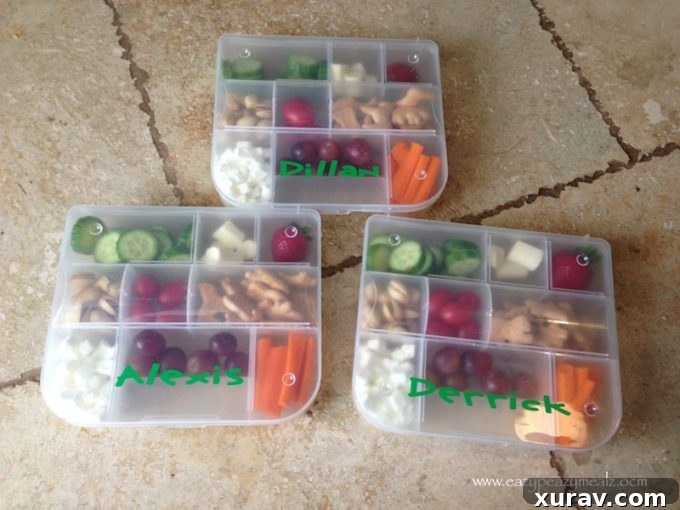
The cornerstone of this revolutionary snacking strategy is the personalized snack box, affectionately dubbed the “Snacklebox.” Each child receives their own designated container, clearly marked with their name. This simple act of personalization fosters a sense of ownership and responsibility, immediately reducing sibling squabbles over snacks. I stumbled upon these ideal multi-compartment boxes in the craft section of a dollar store – originally intended for organizing beads or small art supplies, their segmented design proved absolutely perfect for individual snack portions. At just a dollar each, they were an unbeatable find! To ensure no confusion, I customized them further by cutting vinyl decals of each child’s name, making their snack box unmistakably theirs.
If your local dollar store doesn’t yield such a treasure, don’t fret! The market offers fantastic alternatives. Consider this highly-rated Snack Box from Amazon, boasting adjustable compartments. This feature is a game-changer, allowing you to easily customize compartment sizes to accommodate varying snack items – from larger apple slices to smaller nuts or crackers. Look for durable, BPA-free containers that are easy to clean and withstand daily use. The key is to find a multi-compartment container that provides distinct sections for different food groups, visually appealing to children and practical for parents. This initial investment in personalized containers is an investment in long-term snacking harmony and teaching valuable life skills.
2. The Daily Prep Ritual: Efficiency in Filling the Snacklebox
While filling the snack boxes daily might seem like an added chore, I assure you it represents a massive reduction in overall kitchen effort. This focused, one-time daily prep ritual drastically cuts down on the constant demands for snacks and the endless cycle of wiping counters and washing dishes that typically accompanies an open-access pantry. I often prepare them the night before, making mornings smoother, or sometimes tackle it first thing in the morning – it truly depends on the flow of my day. The boxes I use feature nine compartments, providing an excellent framework for balanced nutrition. I generally aim for a diverse spread: three sections dedicated to fruits (berries, melon cubes, grapes), three for vibrant vegetables (carrot sticks, cucumber slices, bell pepper strips), and three for dry, wholesome options (whole-grain crackers, pretzels, a small handful of mixed nuts or seeds, air-popped popcorn). Flexibility is key; I adapt the contents based on what’s fresh, seasonal, and available in our pantry.
On days when my energy levels are higher, I might get a little more creative, preparing slightly more “labor-intensive” but highly appealing snacks like celery sticks filled with peanut butter, miniature finger sandwiches cut into fun shapes, cheese cubes with whole-grain crackers, or even homemade energy bites. However, most days, simple, ready-to-eat staples do the trick perfectly. The beauty of this system is that all the “mess” – a cutting board and a couple of knives – is contained to one brief period. At the end of each day, a quick wash readies the boxes for the next day’s assortment. This controlled, efficient preparation process not only minimizes kitchen chaos but also ensures a consistent supply of healthy options for your children, fostering good eating habits without constant parental intervention.
3. Structuring Snack Freedom: The Power of Standard Meal Times
One of the most liberating aspects of the snack box system is the autonomy it grants children. They are free to access their personalized snack box at will; there’s no need to ask for permission, and no rigid schedule dictates when they can enjoy their contents. If hunger strikes, they simply choose an item from their box. This immediate access to appropriate portions teaches them to listen to their bodies and self-regulate their eating, empowering them to manage their own hunger cues effectively throughout the day.
However, this freedom comes with a crucial counterpart: the establishment of clear, consistent meal times. While children can snack when they want, they understand the expectation to participate in family dinner. To ensure they genuinely feel hungry for our communal meal, I made a firm commitment to a standard dinner schedule, typically between 6:00 and 6:30 PM. It was unfair to expect them to have an appetite for dinner if the mealtime was unpredictable, varying from 6 PM one day to 8 PM the next. This consistency provides a predictable rhythm to their day and helps their bodies anticipate meal times. Of course, life happens, and if our schedule deviates due to a soccer game or other family plans, I provide ample warning, allowing them to adjust their snack box consumption accordingly. This balance between structured mealtimes and autonomous snacking cultivates healthy eating patterns and respectful communication within the family.
4. Cultivating Adventurous Eaters: The “Try It” Rule for New Foods
Among the myriad benefits of the “Snacklebox,” its remarkable ability to introduce children to new foods stands out. These multi-compartment “nibble trays” create an ideal, low-pressure environment for palate expansion. The small, inviting compartments make it easy to tuck in a tiny portion of an unfamiliar food alongside their trusted favorites. For instance, I might include a small piece of jicama, a few roasted edamame pods, or a slice of star fruit. The rule is simple yet effective: they are expected to try it. This doesn’t mean they have to finish it or even like it, but they must take a small bite, giving their taste buds a chance to explore. Because the new item is surrounded by familiar and preferred snacks, children are far less likely to object or make a fuss.
This subtle, consistent exposure significantly increases the likelihood of acceptance over time. It transforms the often-dreaded introduction of new foods into a routine part of their day, devoid of the pressure that can accompany a new item placed on a dinner plate. Over weeks and months, this approach has led my children to embrace a wider variety of fruits, vegetables, and other healthy options, broadening their culinary horizons and reducing picky eating without stress or conflict. It’s a gentle, respectful way to encourage healthy food exploration and foster a positive relationship with diverse ingredients.
5. Fostering Moderation: The Strict “No Refills” Policy
A critical component of the Snacklebox system is the clear and consistent “no refills” policy. The size and contents of each child’s snack box are carefully curated to provide sufficient, nutritious sustenance to bridge the gaps between main meals for their age and activity levels. I’ve found that one well-stocked box per day is perfectly adequate to satisfy their snacking needs without spoiling their appetite for dinner. This finite quantity teaches children valuable lessons in portion control, resource management, and mindful consumption.
Children have complete agency over how they consume their daily allocation: they can spread it out throughout the day, taking small bites as hunger dictates, or they can choose to eat a larger portion at once if they’re particularly famished after an active play session. The choice is theirs, but once the box is empty, their independent snacking for the day is complete. We do, on occasion, enjoy a designated family “snack” after dinner, such as a special dessert, but this is clearly differentiated from the daily snack box and is not a “refill” in the traditional sense. This firm boundary ensures that children learn to manage their hunger and food choices within established limits, preventing overeating and fostering a healthier understanding of food’s role in their day. It empowers them with independence while instilling crucial lessons in moderation and self-discipline.
The Myriad Benefits of Embracing the Snacklebox System!
Implementing this personalized snack box system has been nothing short of transformative for our family. It has not only achieved all the goals I initially set out to accomplish – promoting healthier eating, reducing kitchen chaos, and fostering independence – but it has also delivered a host of unexpected and incredibly valuable benefits that have significantly improved our daily lives:
- **Enhanced Organization and Streamlined Meal Planning:** This system has naturally led to more organized meal times and vastly improved grocery shopping efficiency. Planning the snack box contents for the week means I’m more intentional about what fruits, vegetables, and healthy dry snacks I purchase, reducing impulse buys and ensuring our fridge is stocked with wholesome options. It integrates seamlessly into my overall meal preparation routine.
- **Broader Palates and Reduced Picky Eating:** By consistently exposing my children to a diverse array of foods in small, non-threatening portions, their willingness to try new things has skyrocketed. The “try it” rule, combined with the presence of familiar favorites, has made them more adventurous eaters. We’ve moved beyond the usual apples and carrots to embrace jicama, bell peppers, kiwi, and various cheeses, expanding their nutritional intake and reducing mealtime stress.
- **Cultivating Choice, Responsibility, and Independence:** The Snacklebox empowers my children. They learn to listen to their bodies, making conscious decisions about what and when to eat from their allocated daily snacks. This fosters a profound sense of responsibility over their own food choices and teaches valuable self-management skills that extend far beyond the kitchen.
- **Significant Cost Savings and Dramatic Waste Reduction:** This system has been a revelation for our household budget. With pre-portioned snacks, we waste significantly less food; there are no half-eaten bags of chips or forgotten fruits wilting in a bowl. Furthermore, equipping my children with their snack boxes as we head out the door has drastically reduced our reliance on drive-thru stops or impulse purchases at grocery store checkouts, saving us substantial amounts of money each month.
- **Improved Snacking Habits for Parents Too!** Being a busy parent, especially to four energetic children, often meant I’d grab whatever was easiest and quickest, which wasn’t always the healthiest choice. Witnessing the positive impact on my kids, I started preparing my own “adult” snack box simultaneously. This simple change transformed my own snacking habits, providing me with nutritious, ready-to-eat options and ensuring I fueled my body well throughout the day. It’s a habit I wholeheartedly recommend to every busy parent!
The Snacklebox system is more than just a clever container; it’s a holistic approach to family nutrition and mealtime harmony. It simplifies your life, empowers your children, and fosters healthier habits for everyone. If you’re seeking a sustainable solution to common family snacking dilemmas, I wholeheartedly encourage you to give the Snacklebox a try. You might just find it’s the missing ingredient for a happier, healthier, and more organized family life.