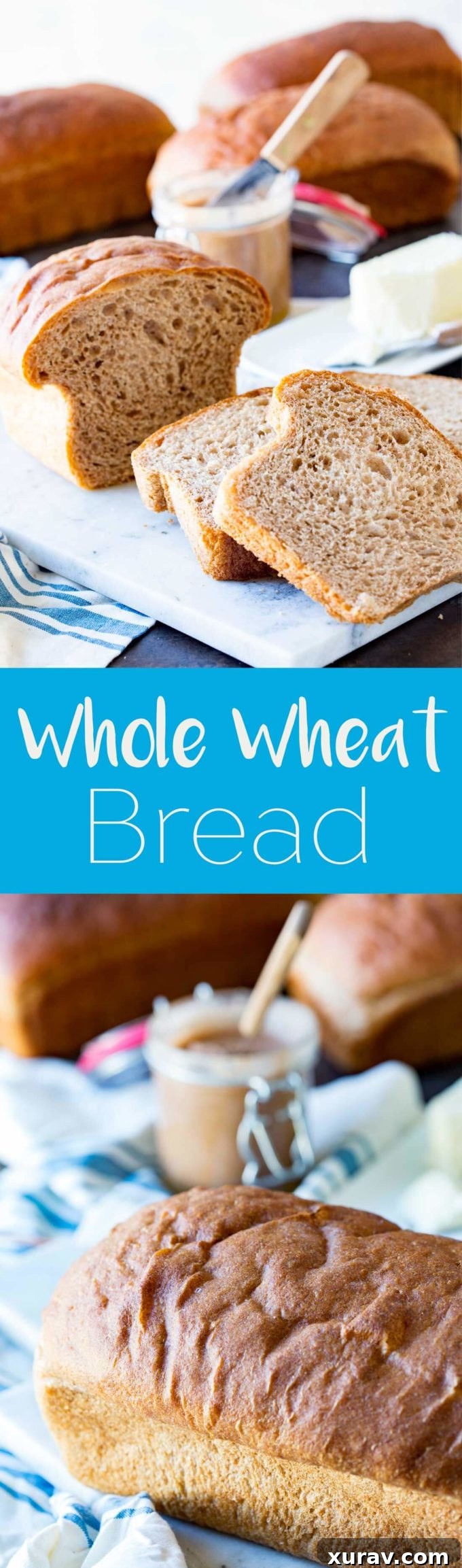
Bake the Perfect Loaf: Irresistible Honey Whole Wheat Bread (A Beginner-Friendly Recipe)
There’s an undeniable magic to homemade bread. It fills your home with an aroma that speaks of warmth and comfort, promising a culinary delight unlike any other. This Honey Whole Wheat Bread recipe delivers on that promise, offering a loaf that’s not only incredibly flavorful and rich in texture but also surprisingly simple to create from scratch. Forget the bland, store-bought varieties; prepare to embark on a baking journey that will reward you with truly wholesome, pillowy-soft bread. So, tie on your apron and let’s get baking!
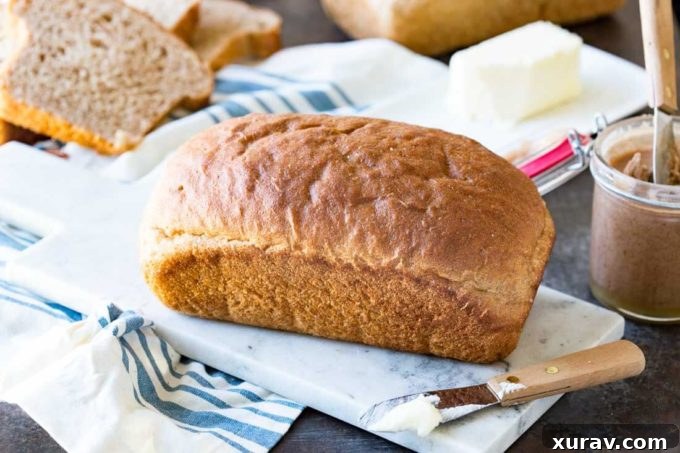
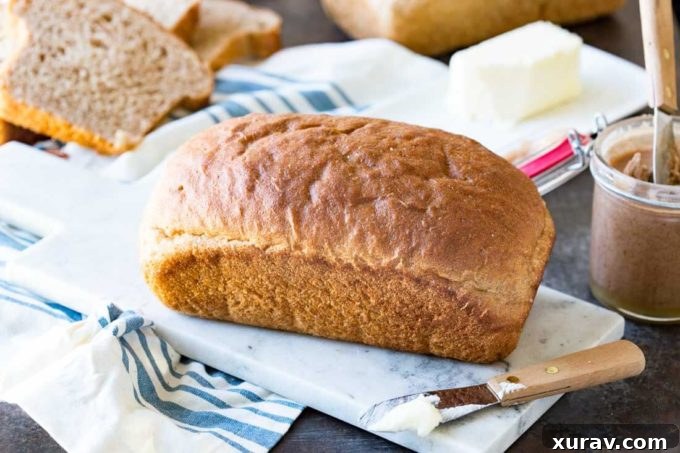
The Unmatched Joy of Crafting Homemade Whole Wheat Bread
This particular Honey Whole Wheat Bread recipe elevates the homemade experience, offering the unique option of grinding your own wheat for unparalleled freshness. While this step is entirely optional and might sound like a significant undertaking, you’ll discover just how straightforward it truly is. Whether you choose to mill your grains or use quality whole wheat flour, the result is a superior loaf that makes every bite a moment of pure bliss.
My personal journey to perfecting this whole wheat bread began with a friend, a baking maestro whose creations are consistently extraordinary. Not long ago, she generously shared several loaves of her amazing honey whole wheat bread with me. The moment they entered my car for the 45-minute drive home, a captivating aroma filled the air, teasing my senses and sparking an intense craving. The entire drive was a delicious agony, my mouth watering in anticipation, eager to tear into that fresh, fragrant bread.
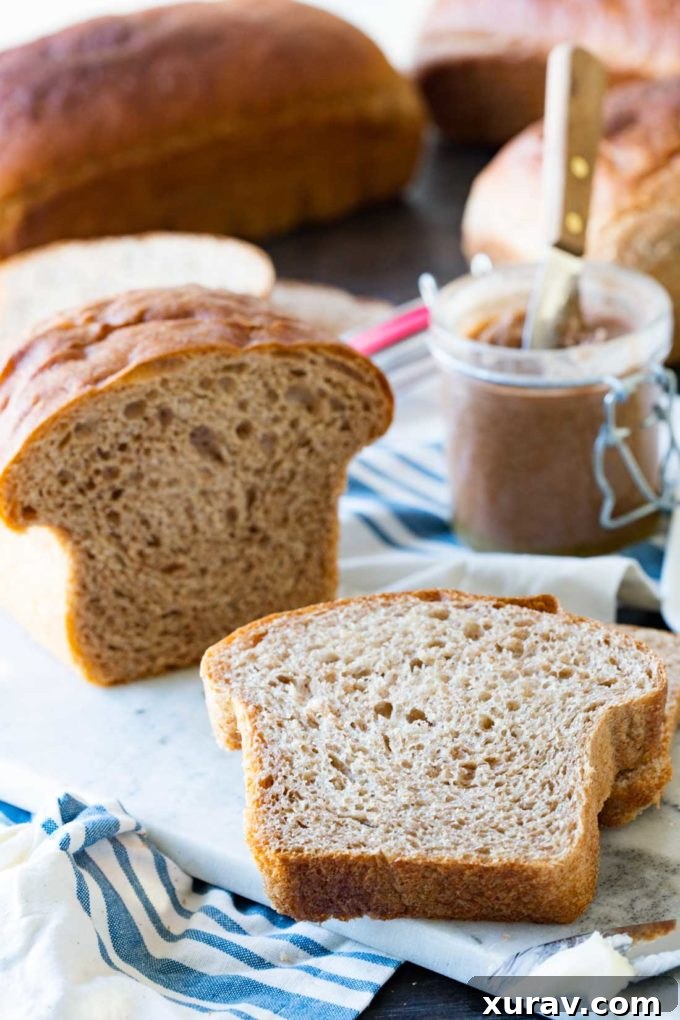
A Culinary Revelation: The First Taste of Perfection
The instant I arrived home, I succumbed to temptation. I slathered slices generously with honey butter, savored it plain, warmed it up with sweet jam, toasted it to a perfect crisp, paired it with rich French butter, crafted a wholesome sandwich, and even used it to soak up the last drops of my favorite soup. For those glorious couple of days, I found myself in absolute carb heaven. It was a culinary revelation, reaffirming that nothing quite compares to the taste and texture of truly fresh, homemade whole wheat bread.
It’s somewhat ironic, given my recent indulgence, that I don’t typically consume a lot of bread. We rarely buy it, and when we do, it often succumbs to mold before we can finish it. I understand the love for bread, but for me, having grown up on my grandmother’s homemade loaves, grocery store bread often falls short. And living far from a truly exceptional bakery means that getting my hands on authentic, soft honey whole wheat bread is a rare treat. I believe many can agree: homemade bread always triumphs over its store-bought counterparts.
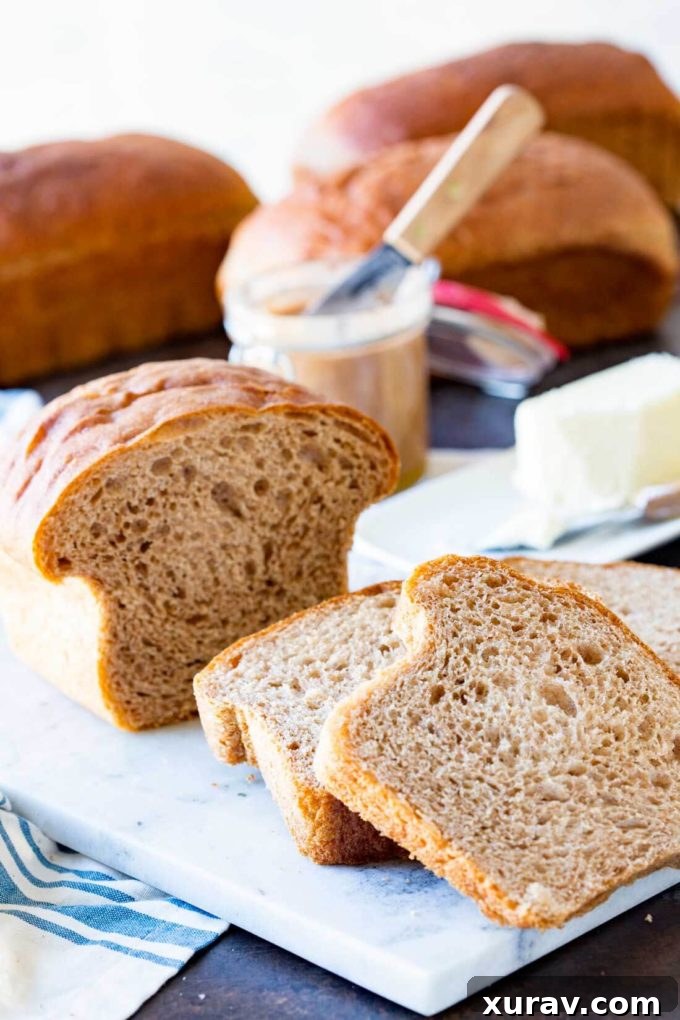
Why This Honey Whole Wheat Bread Recipe is a Must-Try
Despite my deep appreciation for freshly baked bread, my lack of a bread machine and a touch of laziness often deterred me from baking my own. When I did venture into bread-making, I typically opted for simpler recipes like a 7-minute crockpot version. While easy, it wasn’t whole wheat, nor did it possess the incredible softness and pillowy texture of my friend’s bread. So, when she assured me that this particular Honey Whole Wheat Bread recipe was genuinely easy to make, I knew I had to share it with all of you.
My friend, a true artisan, grinds her own wheat for this recipe, a practice that undoubtedly contributes to its exceptional quality. However, this step is entirely optional for you. High-quality whole wheat flour works wonderfully. I personally recommend Bob’s Red Mill Whole Wheat Flour; I’ve consistently achieved the best results with it, and its flavor is seriously delicious. If you’re intrigued by the idea of grinding your own wheat and own a KitchenAid stand mixer, you can easily purchase a Grain Mill attachment. This versatile attachment fits all household KitchenAid stand mixers, making the process accessible and rewarding.
Decoding the Ingredients: Enhancing Your Whole Wheat Loaf
While the core ingredients for this honey whole wheat bread are straightforward, you might notice a couple of optional additions that can elevate your baking experience. These aren’t strictly necessary for a delicious loaf, but they contribute significantly to the bread’s structure, texture, and overall quality, mimicking the professional touch of commercial bakeries.
The Magic of Vital Wheat Gluten
One such ingredient is Vital Wheat Gluten. Let’s demystify it and explain why you might consider adding a bag of this to your pantry, specifically for this recipe. Vital wheat gluten is essentially the pure protein derived from wheat flour. It’s produced by hydrating wheat flour to activate the gluten, then processing it to remove everything but this resilient protein. The result is a dried, powdered form of gluten.
In whole wheat and other whole grain breads, vital wheat gluten plays a crucial role. Whole wheat flour contains the entire wheat kernel, including the bran and germ, which can interfere with gluten development, often leading to a denser loaf. Adding vital wheat gluten strengthens the dough’s structure, improving its elasticity and allowing for a better rise. This results in a lighter, airier texture and an improved crumb (the interior structure) for your bread. It’s like giving your dough an extra boost, leading to a beautifully risen, less crumbly loaf. While not 100% necessary for the recipe to work, it significantly enhances the final product, especially if you desire that classic, soft, and lofty bread texture.
Understanding Dough Enhancer for a Superior Crumb
Another optional yet highly beneficial product is Dough Enhancer. This is a secret weapon many commercial bread makers use to achieve those incredibly smooth, soft, and uniform loaves you find in stores. Dough enhancer works by improving the dough’s workability, strengthening its structure, and promoting a finer, more tender crumb. It’s excellent for achieving that desirable soft texture that often characterizes store-bought whole wheat bread.
Beyond texture, dough enhancer also contributes to a longer shelf life. If you’re planning to bake several loaves or want your bread to stay fresh and soft for an extended period, incorporating a dough enhancer can be incredibly helpful. It reduces the rate at which bread stales, ensuring your delicious homemade creation remains enjoyable for longer. Again, it’s not absolutely essential, but it’s a fantastic addition if you’re aiming for that professional-grade softness and extended freshness in your Honey Whole Wheat Bread.
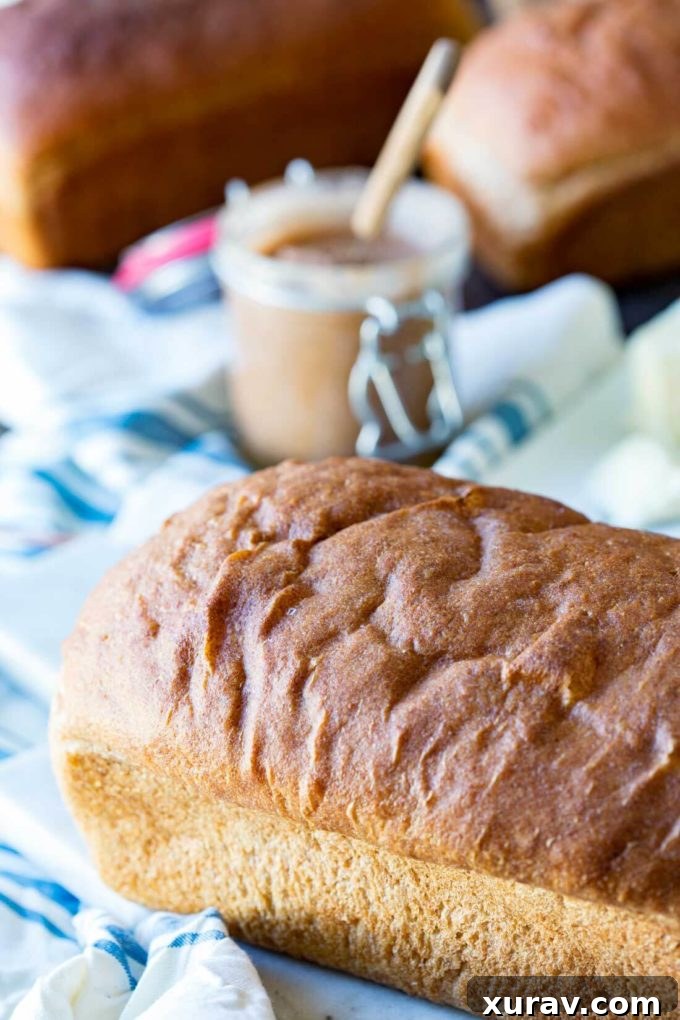
Essential Tips for Baking Flawless Honey Whole Wheat Bread
Achieving a perfect loaf of Honey Whole Wheat Bread is within your reach, even if you’re a novice baker. Here are some invaluable tips to ensure your baking experience is smooth and successful:
- Water Temperature is Key: Yeast is a living organism, and its activity is highly dependent on water temperature. Aim for warm water between 90-100°F (32-38°C). Too cold, and the yeast won’t activate; too hot, and you’ll kill it.
- Gradually Add Flour: The amount of flour can vary based on humidity, the type of flour, and even altitude. Add the flour gradually, ½ cup at a time, until the dough is no longer sticky and cleans the sides of your mixing bowl. Trust the feel of the dough more than exact measurements.
- Proper Kneading for Gluten Development: Kneading is crucial for developing the gluten structure, especially in whole wheat bread. Knead for the recommended time (or longer if omitting vital wheat gluten and dough enhancer) until the dough is smooth and elastic. A good test is the “windowpane test”: you should be able to stretch a small piece of dough thin enough to see light through it without tearing.
- Proofing Environment: Yeast loves warmth! Find a warm, draft-free spot for your dough to rise. This could be a slightly warmed oven (turned off!), near a sunny window, or in a proofer if you have one. Adequate proofing is essential for a light and airy loaf.
- Don’t Overbake: Overbaking can lead to dry, dense bread. Use an instant-read thermometer to check the internal temperature. For a perfectly baked loaf, it should reach 200°F (93°C).
- Cool Completely Before Slicing: As tempting as it is, resist the urge to slice into your bread while it’s still hot. The internal structure is still setting, and cutting it too early can lead to a gummy texture. Let it cool on a wire rack for at least an hour.
This Honey Whole Wheat Bread is truly a warm, comforting, and utterly delicious experience. It’s pillowy soft, fills your home with an incredible aroma during and after baking, and boasts a texture and taste you won’t be able to resist. I sincerely hope you enjoy baking and savoring it as much as my family and I do.
Explore More Homemade Bread Creations
If you’ve enjoyed baking this wholesome honey whole wheat bread, you’re in for a treat with these other delightful bread recipes:
- Cinnamon Swirl Bread
- Garlic Bread Twists
- Gingerbread
- Cinnamon Rolls
- Simple and Quick Dinner Rolls

Honey Whole Wheat Bread
Print
Pin
Rate
Ingredients
- 2 3/4 cup warm water 90-100°F (32-38°C)
- 1 tablespoon SAF instant yeast
- 1/3 cup vegetable oil
- 1/3 cup honey
- 1/3 cup applesauce
- 1 tablespoon Vital Wheat Gluten (optional, recommended for softer texture)
- 1 tablespoon Dough Enhancer (optional, for extra softness and shelf life)
- 5 1/2-6 1/2 cups Whole Wheat Flour I prefer Bob’s Red Mill (divided)
- 1 tablespoon salt
Instructions
-
In the bowl of a stand mixer, combine warm water, yeast, oil, honey, applesauce, vital wheat gluten (if using), dough enhancer (if using), and 2 cups of whole wheat flour.
-
Attach the dough hook and mix on low speed until all ingredients are well incorporated and form a loose batter.
-
With the mixer still on its lowest speed, gradually add the salt and the remaining flour, ½ cup at a time. Continue adding flour until the dough pulls away cleanly from the sides of the bowl. The exact amount of flour needed may vary based on factors like humidity and the specific flour used.
-
Once the bowl is clean, continue to knead the dough on low speed for at least six minutes. If you’ve opted to skip the vital wheat gluten and dough enhancer, knead for an even longer duration (8-10 minutes). You’ll know the dough is properly kneaded when it feels smooth and elastic, and if you press your finger into it, it pulls away cleanly.
-
Remove the dough from the mixer and divide it into two equal portions. Shape each portion into a loaf and place them into two greased loaf pans.
-
Allow the loaves to rise in a warm, draft-free place until they have doubled in size, which typically takes about 30 to 45 minutes. Preheat your oven to 350°F (175°C). Bake for 30 to 35 minutes, or until an internal temperature of 200°F (93°C) is reached.
Nutrition
Our recipe card software calculates these nutrition facts based on averages for the above ingredients, different brands, and quality of produce/meats may have different nutritional information, always calculate your own based on the specific products you use in order to achieve accurate macros for this recipe.
 Want to use this recipe in a meal plan?Try PrePear, my FREE Meal Planning App that allows you to save your recipes, plan meals, shop for groceries, and cook simply in one place. Join Here!
Pin this recipe to your BREAD board on PINTEREST for future baking inspiration: