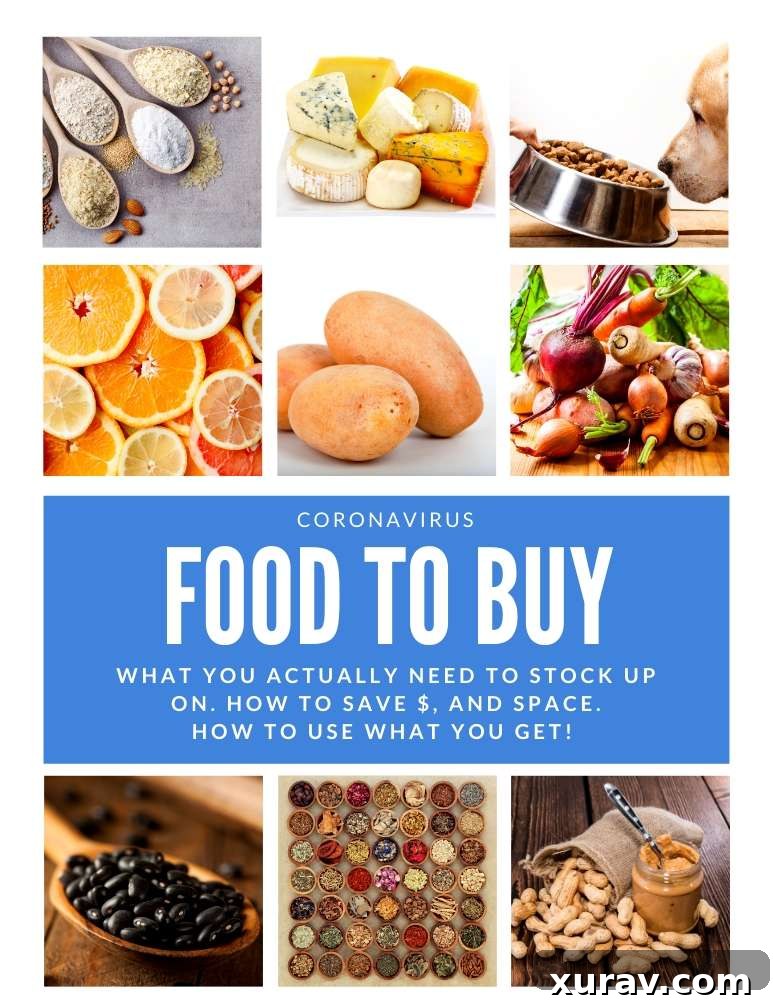
In times of uncertainty, ensuring your family has access to nourishing food is a top priority. Recent global events have highlighted the importance of a well-stocked pantry, sparking conversations about home food supply, grocery store availability, and meal planning during extended periods at home. Whether you’re considering a short-term quarantine, navigating school closures, or simply preparing for unforeseen circumstances, understanding what to buy, how to store it, and how to utilize your supplies effectively is crucial for peace of mind.
The thought of empty shelves, long queues, or limited access to fresh produce can be daunting. You might be asking: What foods are essential? How can I stock up without breaking the bank? What if I have minimal storage space? And perhaps most importantly, how do I keep my family, especially children, well-fed and engaged during these times?
This comprehensive guide aims to address these concerns head-on. Drawing from extensive feedback and practical experience, we’ve compiled a wealth of information to help you build a resilient food supply. Our focus is on strategic, economical, and resourceful approaches to family meal preparation, ensuring you’re well-equipped for any situation. We believe that thoughtful preparation is not about panic or hoarding, but about empowering your household with sustainable practices and culinary creativity.
Strategic Food Stockpiling: What to Buy and How to Use It Efficiently
This guide is designed to empower you with practical advice on:
- Curating an essential food stock-up list, even for limited storage spaces, while identifying items to wisely skip.
- Discovering budget-friendly options that minimize out-of-pocket expenses, making preparedness accessible for everyone.
- Implementing strategies to significantly reduce food waste by prioritizing long-shelf-life items and effective preservation methods.
- Unleashing creativity in the kitchen with versatile pantry staples to prepare diverse and delicious family meals.
- Engaging children in the cooking and meal preparation process, turning social distancing into a productive and bonding family experience.
Key Focus Areas of This Guide:
- Practical food stocking tips for extended home stays, even with minimal storage. We’ll also cover what’s unnecessary.
- Cost-effective shopping strategies to ensure stocking up is affordable and sustainable for any budget.
- Smart methods to minimize food waste by selecting items with extended shelf lives and learning preservation techniques.
- Innovative ideas for transforming common pantry staples into varied and appealing family meals.
- Engaging your children in kitchen activities, making home-based learning fun and helping you manage daily tasks.
Crafting Your Essential Food Stock-Up Plan
Before diving into a generic list, the most effective approach to food preparedness begins with personalization. Take a moment to assess your family’s unique preferences, dietary needs, and everyday eating habits. Create a custom list that categorizes foods into “absolute essentials,” “highly desired but negotiable,” and “luxuries to skip.” For instance, if your mornings are incomplete without coffee, that’s a non-negotiable essential. However, if fresh berries are a preference but canned peaches are a viable, longer-lasting alternative, this is where sensible adjustments can be made to optimize your stock while being cost-effective.
For a comprehensive categorized inventory, refer to our extended guide: Complete Food Stocking Guide
It’s crucial to approach stocking up with a sense of responsibility and community. This isn’t about impulsive hoarding, greed, or depriving others. When you shop, be mindful that other families and individuals also need to secure their supplies. None of us anticipated the widespread impact recent events would have on our daily lives. By shopping considerately and taking only what you truly need, we can collectively support our communities and ensure everyone has access to necessities. Your preparedness journey is a personal one, aimed at fostering a sense of security for your household. Thinking ahead about your family’s needs for the foreseeable future and planning for potential limitations in supply or periods of home confinement is a proactive step, not an act of panic.
To help you navigate these times with greater confidence, I’m sharing insights on the best foods for bulk purchase and long-term storage. Additionally, I’ll provide creative ways to transform basic pantry items into delicious and satisfying meals, even with a limited array of ingredients. This approach not only provides sustenance but also encourages culinary exploration and resourcefulness.
The ULTIMATE TIP for effective food preparedness is simple: Prioritize items your family already loves, that boast an excellent shelf life (meaning they can be frozen, canned, or stored in a pantry for extended periods), and make those your primary stock-up choices!

Smart Stocking on a Budget: Maximizing Value and Nutrition
For many, financial constraints are a significant consideration, especially if income has been impacted. The idea of buying “extra” food might seem overwhelming. My philosophy for smart stocking focuses on practicality and maximizing every dollar spent. It’s less about preparing for literal starvation and more about ensuring convenience and variety should you face limited access to groceries or need to get creative with meal preparation. Opting for versatile pantry staples that can be transformed into multiple dishes is both cost-effective and highly convenient.
When budget is a concern, prioritize items that are both affordable and offer a high nutritional impact, like legumes and grains. However, a crucial caveat: only buy foods that your family genuinely enjoys and knows how to prepare. Avoid wasting money on unfamiliar ingredients that might go unused.
- Dried Beans and Lentils are nutritional powerhouses, packed with fiber, protein, and essential minerals, making them far more cost-effective than their canned counterparts. They are incredibly versatile and can be easily prepared in an Instant Pot or through traditional soaking and boiling methods. Get creative with them in dishes ranging from classic chili to hearty vegetarian burritos, or rich soups.
- Pastas offer an inexpensive, filling, and incredibly versatile foundation for countless meals. When paired with canned tomatoes and a few key spices, the culinary possibilities are endless, and it’s significantly more economical than relying on pre-made meals or expensive specialty ingredients. Experiment with pasta in comforting dishes like Sloppy Joe Casserole, savory Baked Spaghetti, creamy Baked Ziti, or tossed with a rich Homemade Spaghetti Sauce. Don’t hesitate to use whatever pasta shape you have on hand; flexibility is key.
- Rice is much more than a simple side dish. While it’s perfect for rice pilaf or creamy risotto, its versatility shines in creating complete meals. Transform leftover veggies into delicious fried rice, incorporate it into egg roll wrappers for a fun dinner, or add it to soups, such as this hearty wild rice and chicken soup, to enhance their filling power.
- Flour is a foundational ingredient that offers incredible value. With a bag of flour, you can create a wide array of items that are far cheaper than their store-bought equivalents, including homemade pasta, fresh bread, comforting cookies, and countless other baked goods.
- Oats are an excellent and healthy pantry staple. They can be enjoyed simply as breakfast cereal, incorporated into homemade granola, baked into muffins, delicious cookies, or other desserts. Their nutritional benefits make them a smart addition to your stock.
- Eggs provide a low-cost, high-quality protein source. They maintain freshness in the refrigerator for several weeks, and you can even freeze them for longer storage! Eggs are fantastic for standalone meals like savory egg cups, or as a versatile way to boost protein in any meal or snack, whether in comforting soups or various baking recipes. A consistent supply of eggs is highly recommended.
- Spices are the secret weapon of any resourceful cook. They transform simple ingredients into flavorful meals and are typically inexpensive for the profound impact they have. Ensure you have a good selection of your family’s favorite spices readily available to elevate your pantry creations.

Maximizing Small Spaces: Smart Storage for Limited Room
One common challenge during widespread events is the assumption that water supplies might be affected. However, in most situations, municipal water remains reliable. This allows you to make incredibly smart choices for limited storage. Opting for dry, concentrated ingredients over bulky liquid or fresh alternatives can save significant space and often money. For example, choose dry beans instead of canned, or stock powders/bouillon cubes over heavy cartons of liquid stock. This strategy not only shrinks your grocery footprint but also ensures you have more room for diverse essentials.
- Consider Powdered Milk as an invaluable alternative to fresh milk. A single average-sized bag often equates to about 40 quarts of liquid milk, taking up dramatically less cabinet space. It’s excellent for baking, cooking, or even drinking.
- Stocking Dried Beans instead of canned beans is a major space saver. They offer greater nutritional value, are more economical, and can be prepared in large batches.
- Utilize Bouillon Cubes, flavorful pastes, or convenient powders instead of bulky cartons of liquid stock. Brands like Better Than Bouillon are highly concentrated and deliver rich flavor with minimal storage requirements.
- Look for Concentrates for items like juices or tomato paste. These compact options provide the essence of the ingredient, ready to be diluted or integrated into recipes as needed.
Essential Reconstitution Formulas:
- Dry Beans for Canned Equivalents: Simply prepare your dry beans until tender. A reliable conversion is 1/2 cup of dry beans, once cooked, roughly equals one 15-ounce can of beans.
- Stock Cubes or Powder for Liquid Broth: To prepare liquid stock, dissolve 1 bouillon cube or 1 teaspoon of powder in 1 cup of boiling water. This yields 1 cup of rich liquid stock. You can find high-quality Chicken Stock Powder here and Beef Stock Powder here.
Your freezer space is a precious resource, best reserved for perishable items that cannot be easily canned or dried, such as meats. While it’s technically possible to can or dry meats, most people prefer them fresh or frozen for optimal taste and texture. Strategically organize your freezer by placing frequently used items, like frozen vegetables or pre-portioned proteins, towards the front for easy access. Less immediate items, such as larger cuts of meat or ingredients for future special meals, can be stored at the back.
When purchasing meats, consider opting for smaller, pre-cut portions like chicken legs and thighs rather than a whole chicken or large roasts. These take up less space while still being capable of feeding the same number of people. A practical tip for maximizing freezer capacity: remove items from their bulky cardboard packaging. Boxes are often unnecessary for storage and discarding them can free up a surprising amount of room for additional food. Furthermore, prioritize using your limited freezer space for truly non-shelf-stable items. Instead of pre-made frozen burritos or toaster waffles, consider making your own toaster waffles from shelf-stable ingredients like flour and eggs, reserving the freezer for essential proteins and fresh produce you want to preserve.
Smart Strategies for Reducing Food Waste in Your Pantry
A common apprehension is the fear of accumulating excess food only for it to spoil later. Let me assure you, the goal of preparedness is not to promote food waste. On the contrary, it’s about making thoughtful choices that ensure you can use everything you stock up on. Current recommendations from authorities often suggest preparing for about two weeks of home confinement, with a possibility of extensions. My conversations with local grocery store managers confirm that supply chains are generally robust; the primary challenges revolve around managing unprecedented demand surges and ensuring timely restocking. This indicates that a year’s supply of groceries is unnecessary and impractical.
Instead, a practical plan involves aiming for an average of a three-week food supply. This timeframe provides a comfortable buffer if you face quarantine or if local stores experience temporary delays in restocking essential items. The key to preventing waste lies in strategic purchasing. Avoid over-buying highly perishable items. Instead, seek out their shelf-stable or freezer-friendly equivalents. Better yet, invest time in learning proper techniques for freezing and preserving fresh produce you purchase. This might include blanching vegetables before freezing or understanding how to store fruits to maximize their lifespan.
Flexibility in the kitchen is another powerful tool against waste. For instance, if a recipe calls for fresh bananas and you don’t have enough, a simple substitution like applesauce can save the day for your One Bowl Banana Bread. Embrace creativity and be willing to adapt your favorite recipes with the ingredients you have on hand. This mindset turns potential waste into culinary innovation.
Best Tips for Reducing Food Waste:
- Prioritize stocking foods that your family genuinely enjoys and regularly consumes to guarantee consumption.
- Aim for a practical 2-3 week food supply; excessive stockpiling often leads to unnecessary waste.
- Cultivate flexibility in cooking by adapting recipes and making ingredient substitutions with what you have available, even if it’s not an exact match.
- Learn basic food preservation techniques such as freezing, drying, or canning to extend the life of fresh produce.
- Maintain a running inventory of your pantry and freezer contents to track items and ensure rotation, minimizing expiration.
- Plan meals around ingredients that are nearing their expiration date to ensure nothing goes to waste.

Transforming Pantry Staples into Delicious Family Meals
Now that your pantry is thoughtfully stocked, let’s explore how to transform these versatile staples into an exciting array of meals. Resourceful cooking is all about creativity and understanding the potential of each ingredient.
- Milk: Beyond being a staple for drinking and cereal, milk is indispensable for adding richness to countless dishes. Powdered milk reconstitutes beautifully and can be effortlessly integrated into creamy recipes like this comforting Baked Potato Soup, sauces, and baked goods.
- Cream: A touch of cream elevates coffee, hot chocolate, and even a simple soda or tea. In cooking, it’s a fantastic ingredient for creating luxurious, creamy soups and sauces. We particularly adore its use in baked creamed corn, which expertly combines pantry items like canned corn, eggs, garlic powder, and onion powder.
- Butter: What isn’t butter good for? It’s a foundational fat for sautéing vegetables, enriching sauces, and creating moist, flavorful baked goods. It shines in dishes like Lemon Butter Chicken and is an essential ingredient in most desserts and pastries.
- Shredded Cheese: An absolute must-have pantry item, cheese adds flavor and comfort to nearly everything. Integrate it into hearty Broccoli Cheese Soup, savory Egg Bites, or versatile Casseroles made with dried pasta. Combine it with chicken stock and flour to create a delightful Easy Cheese Sauce Used 4 Ways.
- Ground Beef: As a highly versatile protein, ground beef can be the star of a meal or an excellent addition. Form it into patties for burgers, use it in comforting Taco Soup, sprinkle it over salads, or spoon it onto baked potatoes. It’s fantastic in pasta dishes like beef stroganoff or chili mac, offering countless meal possibilities.
- Chicken Breast: Chicken breast is incredibly adaptable. Bread and bake it to add to various dishes, create your favorite Asian-inspired meals like Orange Chicken or Kung Pao Chicken, or venture into Mediterranean cuisine with Greek Chicken. For a Latin twist, try Mexican Shredded Chicken, perfect for burritos, tacos, salads, taquitos, and quesadillas.
- Bacon: An exceptional flavor enhancer, bacon is far more than a breakfast item. Wrap it around green beans or asparagus for a decadent side, crumble it into a cheese sauce for baked potatoes, add it to salads to use up fresh produce, or top creamy soups with its savory crunch.
- Herbs and Spices: The foundation of flavor for virtually any dish. A well-stocked spice rack allows you to transform simple ingredients into international delights. Think cumin for Mexican, basil for Italian, or turmeric for Indian-inspired meals.
- Oil: Essential for cooking, sautéing, frying, and making your own delicious marinades and salad dressings from scratch.
- Vinegar: Beyond its use in salad dressings, vinegar is excellent for washing fruits, enhancing flavors in cooking, and is a key ingredient in many stir-fry sauces and marinades.
- Dried Pasta, Rice, Etc.: These grains offer limitless possibilities. Use rice noodles for Stir Fry Rice Noodles, regular pasta for a hearty Crockpot Lasagna, or rice in an Easy Mexican Rice Skillet. They are perfect foundations for countless meals.
- Flour: As universal as butter, flour is essential for coating meats, baking delightful chocolate cakes, crafting homemade breads like Crock Pot Bread or Honey Whole Wheat Bread, and even a simple Banana Bread.
- Cornstarch: An excellent thickening agent for sauces and soups. It’s a key component in minimalist dishes like Egg Drop Soup, which comes together in just 10 minutes with minimal ingredients.
- Sweeteners: Sugar is vital for baking, balancing sauces, and sweetening coffee or oatmeal. Discover its use in savory recipes like this homemade teriyaki sauce, which relies on brown sugar for its rich flavor.
- Baking Powder: An essential leavening agent for almost all your baking needs, ensuring light and fluffy results in cakes, muffins, and quick breads.
- Baking Soda: Another crucial leavening agent, often used in conjunction with acidic ingredients, for a wide range of baking applications.
- Yeast: Unleash the magic of yeast for incredible homemade breads, pizza dough, and rolls. Our favorite use is for these irresistible 1-hour cinnamon rolls, made entirely from pantry staples, offering perfect comfort food during uncertain times.
- Soy Sauce: A cornerstone of Asian cuisine, soy sauce adds umami and depth to dishes. It’s particularly fantastic in Chicken Satay, which can be complemented by a peanut sauce made from jarred peanut butter.
- Mirin: This sweet cooking wine is a readily available substitute for Chinese cooking wine and is indispensable in most Asian dishes. It imparts a delicate sweetness and depth, with a little going a long way. It truly enhances dishes like these flavorful Bibimbap bowls.
- Sesame Oil: A potent flavor booster, sesame oil adds an incredible aroma to chicken drumsticks, transforms fried rice, and provides a distinct depth to marinades. Use sparingly for maximum impact.
- Onions and Garlic: These aromatic staples form the flavor base for virtually every savory dish imaginable. Add them to roasts, soups, stews, chilis, stir-fries, and sauces. Beyond their culinary use, garlic is renowned for its natural immune-boosting properties.
- Carrots: Incredibly versatile, carrots can be roasted (sweet or savory), as in these delectable Roasted Carrots. They’re also perfect for adding sweetness and nutrients to Rotisserie Chicken Noodle Soup or Crock Pot Chicken Pot Pie.
- Sweet Potatoes: A nutrient-dense addition to almost any meal. Roast them, mash them, or incorporate them into stir-fries, breakfast hashes, burritos, and tacos for added sweetness and texture.
- Cabbage: Beyond classic coleslaw and corned beef, cabbage adds a delightful crunch to salads and stir-fries. It keeps exceptionally well in the fridge and is perfect for adding texture to tacos and various other dishes.
- Whatever Fruits You LOVE most: Enjoy fresh, or transform into a vibrant Summer Fruit Salad. Focus on fruits with natural longevity or those that can be easily preserved.
- Frozen Peppers: A convenient alternative to fresh, frozen peppers are excellent for stir-fries, omelets, egg cups, and fajitas. They work in almost any dish where fresh peppers are used, except as a raw garnish.
- Frozen Peas: These little bursts of green add color and nutrition to almost any dish, including unexpected ones like Mac and Cheese! A fantastic pantry-staple recipe featuring frozen peas is Chicken Sausage and Peas Alfredo Pesto Skillet Pasta.
- Frozen Ginger: A staple in Asian cooking, ginger enhances sauces and marinades. Buy it in a tube or grate and freeze it yourself. Combine with veggies, soy sauce, brown sugar, and sesame oil for an amazing beef stir-fry.
- Frozen Corn: A touch of sweetness for any dish. It’s a star in Corn Casserole and also fantastic in soups, salads, and salsas. This Corn Salad is a versatile way to use up fresh odds and ends.
- Frozen Carrots: Great for adding to fried rice and soups. Try them in this comforting Creamy Meatball Soup for a quick and delicious dinner.
- Frozen Broccoli: An incredibly versatile frozen vegetable. Throw it into a stir-fry, use it for sheet pan beef and broccoli, steam it, roast it, or add it to soups and pasta dishes. It’s a key ingredient in Chicken Broccoli Casserole.
- Frozen Spinach: A nutrient-packed addition to soups, stews, pastas, and smoothies. It adds iron and folate to almost any hot dish or fruit smoothie without altering the flavor significantly.
- Frozen Fruits: Perfect for smoothies, oatmeal, muffins, quick breads, and homemade sauces or jams. They offer convenient access to fruit year-round.
- Canned Vegetables and Fruit: Excellent for substituting fresh produce in any recipe. They offer convenience, long shelf life, and are already pre-cooked.
- Dried Fruit: Ideal for snacking, baking, and adding to breads. Sprinkle them on an acai bowl or oatmeal for a boost of nutrients and natural sweetness.
- Peanut Butter or other Nut Butters: Versatile for sandwiches, smoothies, oatmeal, dipping apples, and baking. Essential for quick protein and energy boosts, and excellent for recipes like No Bake Cookies.
- Oats: A highly versatile and healthy grain. Serve as oatmeal for breakfast, incorporate into desserts, or even use in savory dishes. A few canisters go a long way. We particularly love this recipe for Banana Peanut Butter Oat Muffins.
- Tortillas (Corn and Flour): A foundation for quick and easy meals. Fill with cheese for quesadillas, coat with cinnamon and sugar for a simple dessert, use as a thin crust for pizza, or layer for a casserole. Wrap around scrambled eggs and meat for a satisfying breakfast wrap, or load with shredded chicken for amazing chicken tacos.
- Nuts: Make your own nut milk or rich nut butters. Add to salads for crunch, or include them on a snack board.
- Crackers: Versatile for snacking, use as a breading for meats, as a vehicle for dips, or as a filler in dishes like meatloaf. Always good to have on hand for quick hunger fixes.

Engaging Young Chefs: Getting Kids Involved in the Kitchen
Extended periods at home, often referred to as social distancing or quarantine, can be particularly challenging for children, especially those accustomed to the lively environment of school. Involving them in the process of stocking up and preparing meals can be a fantastic way to combat boredom, impart valuable life skills, and transform a potentially tedious situation into a more enjoyable and productive family experience. Plus, having extra hands in the kitchen, even if they initially add a little chaos, can ultimately free up some of your time!
As a parent who has made a conscious effort to integrate my children into every aspect of our family’s meal preparation, I’ve gathered years of insights and strategies. Here are my top recommendations for successfully getting your kids involved in the kitchen:
- If you haven’t completed your food stock-up yet, **actively solicit their input** on what they’d like to see in your pantry. My children, for instance, were most enthusiastic about ensuring we had chocolate chips for baking Chocolate Chip Cookies. They also requested staples like elbow macaroni for our favorite Mac and Cheese, pineapple juice for morning smoothies, and their preferred granola bars. By allowing them to participate in the selection process, they become more invested in the outcome and genuinely excited about the meals they will eat. I encourage them to choose their favorite canned and frozen fruits and vegetables, ensuring a diverse and appealing supply.
- **Explore recipes together.** One of my most effective strategies is letting my children choose the recipes. We browse through cookbooks, explore websites, and delve into cherished handwritten family recipes to decide what to cook. My youngest son, for example, frequently takes the lead in making German Pancakes for breakfast, a task he loves because he personally selected the recipe. While you don’t need to create a rigid weekly meal plan, even daily recipe selection can be beneficial. Meal planning, however, provides structure and helps children anticipate what they’ll be eating, making new or less familiar dishes, like homemade bread, feel less intimidating. Moreover, when kids help choose, they are far more likely to eat the food and enthusiastically assist in its preparation.
- **Assign age-appropriate tasks** during meal preparation. For example, a 7-year-old can safely scoop flour into a measuring cup for classic waffles, while a 15-year-old can confidently operate the waffle iron. Giving them specific roles—whether washing, cutting (with safety tools), stirring, flipping, mixing, or measuring—helps them feel integral to the meal’s creation and teaches fundamental cooking skills. By focusing on one achievable task at a time, you set them up for a “win” rather than frustration. Gradually build on these skills until they can independently complete entire recipes. Great starting points include breakfast items like elegant Crepes, fun German Pancake Minis, and classic French Toast.
- **Provide them with their own kitchen tools.** Make it a special occasion. I once received various spatulas and kitchen gadgets on a brand trip. Upon returning home, my kids eagerly asked if I brought them anything. Having not visited a gift shop, I distributed the gadgets. To this day, my eldest daughter fiercely guards her spatula and proudly uses it whenever she’s asked to scrape batter from a mixing bowl. Having their own dedicated tools fosters a sense of ownership, empowers them, and makes the cooking experience more personal and enjoyable.
- **Encourage taste-testing as you go** and invite their input on flavor adjustments. Just be prepared for their frequent suggestion of “more sugar!” This practice hones their palate and makes them more adventurous eaters.
Age-Appropriate Cooking Tasks for Every Child
For Curious 2-3 Year Olds:
- Adding Ingredients: Under close adult supervision, present pre-measured ingredients for them to dump into a mixing bowl. This simple action provides a sense of contribution.
- Microwaving: Young children adore pushing buttons! Let them safely defrost frozen vegetables or other microwave-safe items, giving them a fun, controlled task.
- Mashing: This is a wonderful motor skill activity. For banana bread, place a peeled banana in a plastic bowl and give your toddler a large fork. They’ll enjoy mashing it while you prepare other ingredients. The same applies to mashing avocados for guacamole (Tip: Avocados freeze well for future guacamole!).
- Squeezing: Allow them to squeeze lemon or lime juice for recipes that call for it, such as vibrant marinades or dressings.
For Adventurous 3-5 Year Olds:
- Whisking: When baking cookies or scrambling eggs, let your little one whisk the dry ingredients together. This is a fun and active task that develops coordination.
- Taste Testing: Beyond the joy of licking the batter, encourage them to critically taste dishes. For a tortellini soup, ask for their opinion: “Does it need more salt? A pinch of pepper?” This introduces them to flavor balance.
- Cutting Shapes: While too young for sharp knives, cookie cutters are fantastic! They can use them for more than just cookies, cutting heart-shaped cheese for grilled sandwiches or fun bread shapes.
- Washing: Position them safely on a stool at the sink and let them wash produce, rinse dried beans and lentils, and, of course, thoroughly wash their hands before and after handling food.
For Enthusiastic 6-8 Year Olds:
- Meal Planning: Invite them to sit with you, browsing cookbooks and websites to help create your weekly meal plan. This fosters responsibility and decision-making skills.
- Shopping List Creation: This is a perfect opportunity to practice spelling and writing skills by having them compile the grocery shopping list.
- Doing the Math: When doubling a recipe, let them take on the challenge of calculating ingredient quantities. This integrates practical math skills into cooking.
- Measuring: Children this age love to measure! Encourage them to accurately measure flour for breadsticks to accompany spaghetti, or other dry ingredients.
- Stirring: With careful supervision, especially over a hot stove, allow them to stir ingredients as you add them. This teaches them about consistency and heat management.
For Capable 9-11 Year Olds:
- Anything and Everything: If you’ve consistently nurtured their kitchen skills, children in this age group are remarkably capable. Under supervision, they can confidently chop strawberries, safely open cans of vegetables, brown ground beef, or operate a hand mixer. Demonstrate the task clearly, emphasize safety, and then give them the freedom to excel. This is the age to truly let their culinary independence soar!
We hope this comprehensive guide provides you with invaluable assistance in navigating these times with confidence and culinary creativity. Remember, preparedness is about empowering your family, fostering resilience, and making the most of your resources. Stay safe, extend kindness to others in your community, and please don’t hesitate to reach out if you need any further assistance or inspiration.