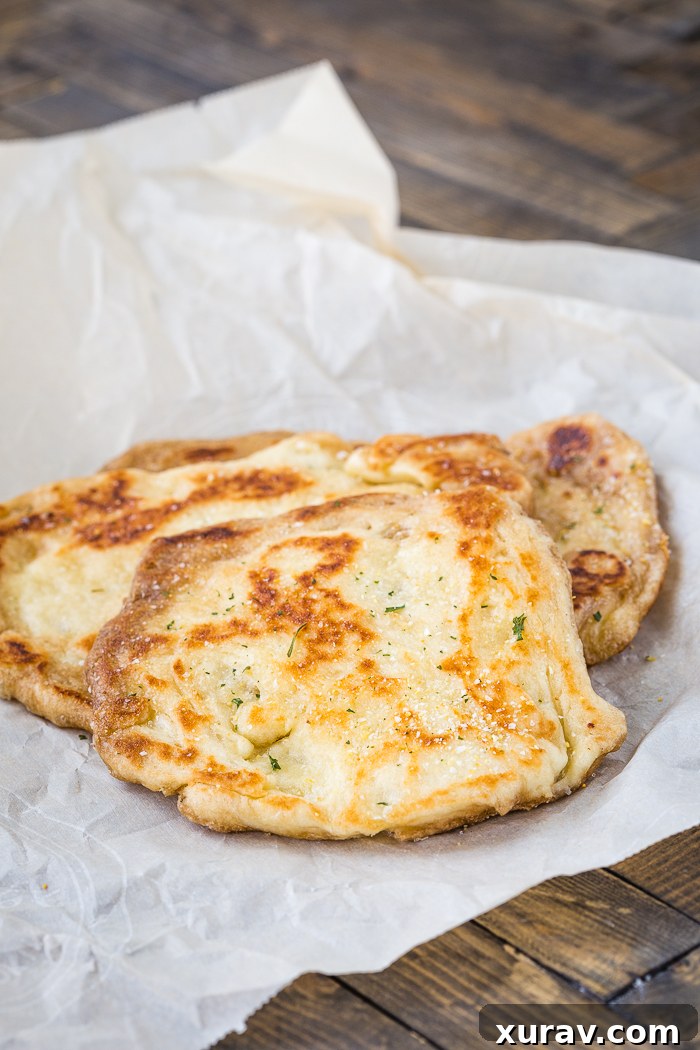
Irresistible Homemade Flatbread Naan: Your Guide to Perfect Indian Bread
Embark on a culinary journey to India right from your kitchen with this incredibly simple yet profoundly satisfying recipe for homemade flatbread naan. A true cornerstone of Indian cuisine, naan is more than just bread; it’s an experience. Its soft, chewy texture, inviting aroma, and slightly smoky flavor make it the perfect companion for a rich, aromatic curry, a hearty lentil dal, a scoop of creamy hummus, or even enjoyed simply on its own. While traditional naan is often prepared in a scorching hot tandoor oven, our ingenious method adapts this ancient technique for your home kitchen, allowing you to achieve wonderfully puffy and flavorful naan using just a common cast iron skillet.
This versatile Indian flatbread is guaranteed to elevate any meal. Forget the often dry and bland store-bought varieties that frequently fall short in taste and authentic texture; once you try this recipe, you’ll understand why homemade naan reigns supreme. Whether you prefer it brushed with fragrant garlic butter, sprinkled with fresh cilantro, or simply savored plain, get ready to impress your family and friends with warm, pillowy naan that rivals your favorite Indian restaurant. It’s an accessible way to bring the magic of global flavors directly to your dinner table.
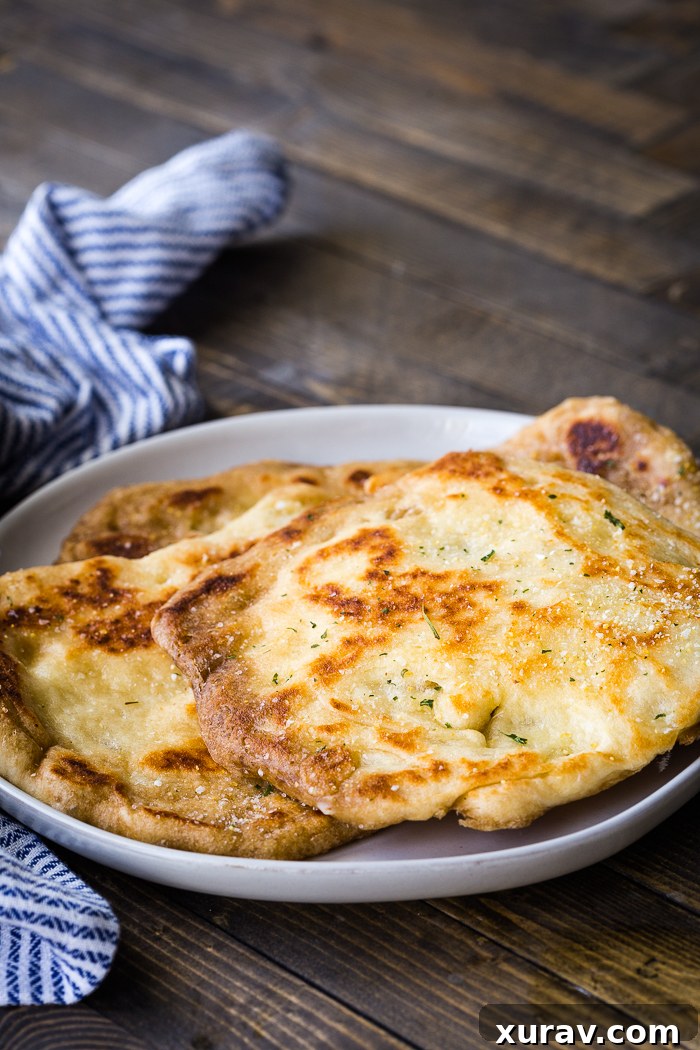
A Memorable Culinary Discovery: The Inspiration Behind My Quest for Homemade Flatbread
My profound appreciation for authentic flatbreads was truly kindled during a breathtaking two-week Eastern Mediterranean cruise a few years ago. It was a truly dreamy experience, filled with stunning coastal landscapes, ancient historical sites, and incredible cultural encounters. Amidst all the magnificent sights, one particular memory stands out vividly and has since fueled my culinary explorations: a visit to a charming, bustling town in Israel.
On that day, after hours of exploring, hunger set in. We were searching for a quick, authentic bite, and what appeared to be a simple roadside gas station turned out to be anything but. Instead, we stumbled upon a hidden culinary gem: a vibrant, family-run restaurant that served one of the most unforgettable meals of my life. The centerpiece was a plate of perfectly fried Peterfish, accompanied by crispy golden fries. However, what truly captivated my palate and elevated the entire meal was the generous spread of fresh and tangy pickled vegetables, a creamy dollop of authentic hummus, and, most importantly, a warm, exceptionally soft flatbread. It was a revelation—something between a traditional pita and the naan I’ve come to know—tender, slightly chewy, and utterly addictive. The synergy of textures and flavors was simply extraordinary, far exceeding any expectations I might have had for such a humble, unassuming eatery. It was, in a word, spectacular, and the bread was undeniably the silent hero, soaking up all the delicious juices and dips.
Ever since that unforgettable trip, I’ve been on a personal culinary mission to recreate that magical meal. I’ve tried countless variations, experimenting with different store-bought pita breads, but none ever quite captured the unique essence, the tenderness, and the subtle chewiness of that Israeli flatbread. The realization slowly dawned on me: the bread itself was the indispensable key. While commercially produced pitas offer convenience, they often lack the fresh, nuanced flavor and the tender, airy crumb of a freshly made flatbread. That’s precisely where this homemade naan recipe comes in. It has come remarkably close to the perfection I experienced that day, satisfying that deeply rooted craving. Now, with the flatbread mastered, my next culinary challenge lies in perfecting those deliciously tangy pickled vegetables!
Introducing New Flavors and Global Cuisine to the Family Table
As a passionate home cook, one of my greatest joys and responsibilities is exposing my children to a diverse palette of international flavors and culinary traditions. It’s an enriching experience that broadens their horizons and encourages adventurous eating. While the initial inspiration for this particular flatbread hails from the sun-drenched Mediterranean, its strong ties to Indian cuisine make it a fantastic and accessible introduction to the vibrant, aromatic tastes of South Asia. While this homemade naan would undoubtedly pair exquisitely with a rich and spicy Instant Pot Chicken Tikka Masala or a comforting bowl of lentil dal, its inherent simple, wholesome goodness also makes it a delightful treat enjoyed purely on its own. Sometimes, the purest flavors, especially when the bread is still warm and fragrant from the skillet, are the most profoundly satisfying.
Crafting Perfect Naan Without a Tandoor Oven: The Cast Iron Secret
The secret to authentic naan’s signature puffy texture, its beautiful bubbles, and those coveted slightly charred spots lies in the intense, radiant heat of a traditional Indian tandoor oven. These cylindrical clay ovens reach incredibly high temperatures—often upwards of 900°F (480°C)—cooking the naan quickly and evenly by essentially flash-baking it against their hot walls. This rapid cooking process creates that distinct chewiness, the fluffy interior, and the beautiful golden-brown finish that we all associate with perfect naan. But don’t despair if you don’t have a tandoor in your backyard or a specialized pizza oven! I’ve successfully improvised this ancient technique, and you can too, using a versatile kitchen staple: the humble and ever-reliable cast iron skillet.
A heavy-duty cast iron skillet, much like the Lodge skillet I personally use and highly recommend, is an excellent and surprisingly effective substitute. Its exceptional ability to retain and distribute heat evenly provides the consistent, high temperature necessary to achieve that desirable puff and characteristic char, remarkably mimicking the tandoor’s effect. The mass of the cast iron acts as a heat reservoir, ensuring that when the dough hits the surface, it immediately begins to cook and puff. While many new cast iron skillets come “pre-seasoned” to offer a head start, I’ve found through experience that they truly perform at their absolute best after a few uses, developing a naturally non-stick surface that improves with each subsequent cooking session. Remember to always follow the manufacturer’s specific cleaning and storage instructions for your cast iron cookware to ensure its longevity and optimal cooking performance for years to come.
Essential Tips for Achieving Perfect Naan with Your Cast Iron Skillet:
- Preheat Thoroughly: This step is paramount. Place your cast iron skillet over medium-high heat for at least 10-15 minutes before you even think about adding the dough. You want it smoking hot to get that immediate puff and char. A quick test: flick a few drops of water onto the surface; they should sizzle and evaporate instantly.
- Don’t Overcrowd the Pan: Cook naan one at a time. This allows the skillet to maintain its high temperature and ensures that each piece cooks evenly and puffs up beautifully without steam interfering with the process.
- Actively Watch and Adjust the Heat: Keep a close eye on your naan as it cooks. If it’s charring too quickly before puffing, lower the heat slightly. Conversely, if it’s not puffing or browning, increase the heat a little. Cooking naan is a dynamic process that requires a bit of attention to temperature.
- Minimal to No Oil in the Skillet: Unlike frying, you typically don’t need to add oil directly to the skillet for cooking naan. The dry, high heat is what creates the bubbles, char, and that signature texture. However, a *very* lightly oiled rolling pin is incredibly helpful for shaping the dough and preventing sticking during the rolling process.
- The ‘Puff’ is Key: Don’t be discouraged if your first few pieces don’t puff perfectly. Practice makes perfect! The ideal naan will puff up like a balloon, indicating a well-developed gluten structure and sufficient heat.
With these simple adjustments and careful attention, you can achieve restaurant-quality naan right in your own kitchen, without the need for any specialized or expensive equipment. The satisfaction of pulling a perfectly cooked naan from your skillet is truly unparalleled!
Ensuring Lasting Freshness: Storing and Reheating Your Homemade Naan
One of the many delights of homemade naan is its incredible freshness, but sometimes you might find yourself with a few delicious leftovers, or you might prefer to prepare a larger batch in advance for convenience. Properly storing and reheating your naan is key to ensuring that every subsequent bite is as delightful and tender as the very first. Freshly baked Flatbread Naan can be stored in the refrigerator in an airtight container or a sealed plastic bag for a maximum of 3 to 5 days. This will help prevent it from drying out and absorbing other odors from the fridge. For longer storage, you can individually wrap cooked pieces of naan tightly in plastic wrap, then place them in a freezer-safe bag, and freeze for up to one month. Thaw them at room temperature before reheating.
Now, for a truly invaluable professional tip to ensure your naan remains wonderfully soft, pliable, and doesn’t dry out or become tough when reheated: the humble yet effective damp paper towel method. Yes, it might sound a bit unconventional, but this simple trick works absolute wonders! All you need to do is wrap the homemade naan (or a few pieces) in a lightly dampened paper towel and place it in the microwave. Heat it for 20-30 seconds, or until it’s warmed through to your liking. The brilliant science behind this method is that the moisture from the paper towel generates steam within the microwave, which in turn rehydrates the bread. This process makes the naan taste almost as fresh, tender, and irresistible as it did when it first came straight off the skillet. This method is far superior to simply toasting or dry-heating, as it actively prevents the naan from becoming stiff, brittle, or unpleasantly rubbery, ensuring a consistently delightful experience every single time.
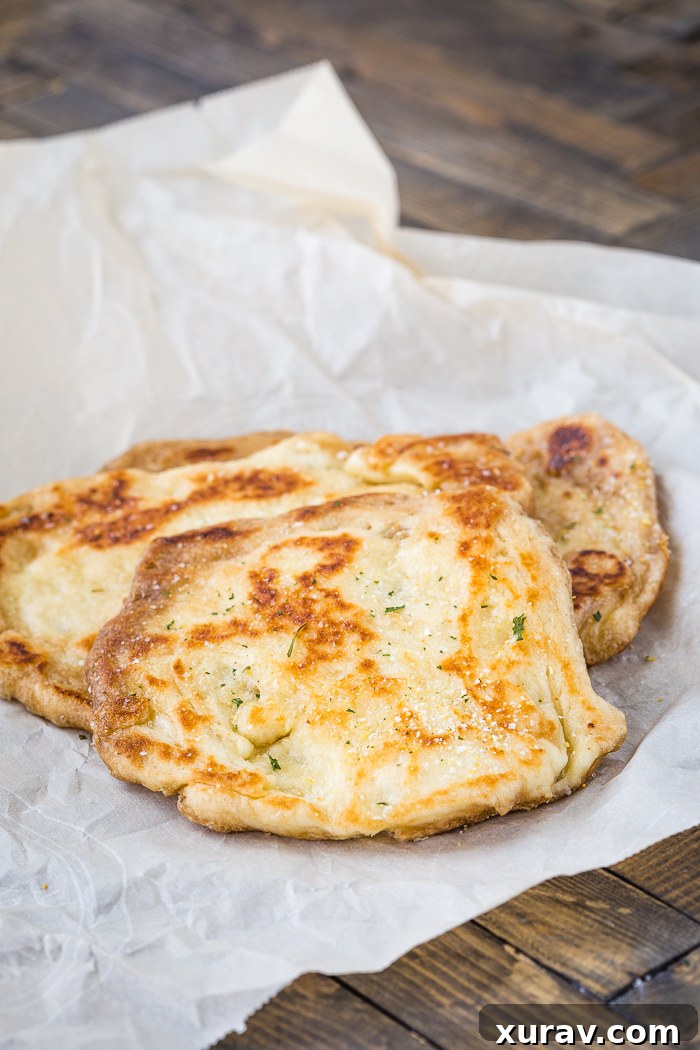
Explore More Delicious Indian-Inspired Recipes to Pair with Your Naan
This Flatbread Naan is truly the perfect canvas and accompaniment for a wide array of exquisite Indian dishes. Once you’ve mastered this staple, we encourage you to dive deeper into the rich and diverse world of Indian flavors with these other fantastic recipes from our collection:
- Instant Pot Chicken Tikka Masala: A creamy, flavorful chicken dish that’s a universal favorite.
- Mixed Vegetable Chicken Curry: A wholesome and aromatic curry packed with tender chicken and vibrant vegetables.
- Yellow Curry Chicken: A milder, yet deeply satisfying curry with a beautiful golden hue.
- Indian Butter Chicken Recipe: The quintessential rich and buttery chicken curry, a true classic.

Classic Homemade Flatbread Naan
A delightful and easy recipe for authentic Indian naan, perfectly adapted to be made in your home kitchen without a tandoor. This recipe yields incredibly soft, chewy, and perfectly golden flatbread every time, ideal for pairing with your favorite curries or enjoying on its own.
Course: Side Dish, Bread
Cuisine: Indian
Keyword: Flatbread Naan, Homemade Naan, Indian Bread, Cast Iron Naan
Prep Time: 1 hour 10 minutes (includes rise time)
Cook Time: 6 minutes (per batch)
Total Time: 1 hour 16 minutes
Servings: 8 pieces
Ingredients
- 2 1/4 teaspoons instant yeast (equivalent to 1 standard package)
- 2 teaspoons granulated sugar
- 1 1/2 teaspoons fine sea salt
- 1/4 cup whole wheat flour
- 2 1/2 cups all-purpose white flour (plus additional for dusting surface)
- 1 cup water (preferably room temperature or slightly warm)
- 1/4 cup plain Greek yogurt (full-fat recommended for best texture)
- 1 Tablespoon extra virgin olive oil
- 4 Tablespoons unsalted butter (melted, for brushing on cooked naan)
- Salt and garlic salt (to taste, for additional seasoning after cooking)
- Optional garnishes: Fresh chopped cilantro, nigella seeds (kalonji), or toasted sesame seeds for an extra layer of flavor.
Instructions
- In the bowl of a stand mixer (or a large mixing bowl if kneading by hand), combine the instant yeast, sugar, salt, whole wheat flour, and all-purpose white flour.
- Using a paddle attachment (for stand mixer) or a sturdy spoon, mix these dry ingredients together until they are thoroughly blended.
- Add the room temperature water, plain Greek yogurt, and olive oil to the dry flour mixture.
- Mix on low speed for about 30 seconds until the ingredients are just combined and a shaggy, cohesive dough begins to form.
- Switch to the dough hook attachment (for stand mixer). Knead the dough on medium speed for approximately 8 minutes, until it transforms into a smooth, elastic, and slightly glossy ball.
- During the kneading process, if the dough appears excessively sticky, add more all-purpose flour, one tablespoon at a time, until it still sticks lightly to the bottom of the bowl but pulls away cleanly from the sides. Avoid adding too much flour, as this can make the naan tough.
- Lightly oil a clean, large mixing bowl. Transfer the kneaded dough ball into the oiled bowl. Flip the dough once or twice to ensure all sides are coated in oil, preventing it from drying out.
- Cover the bowl tightly with plastic wrap or a clean kitchen towel.
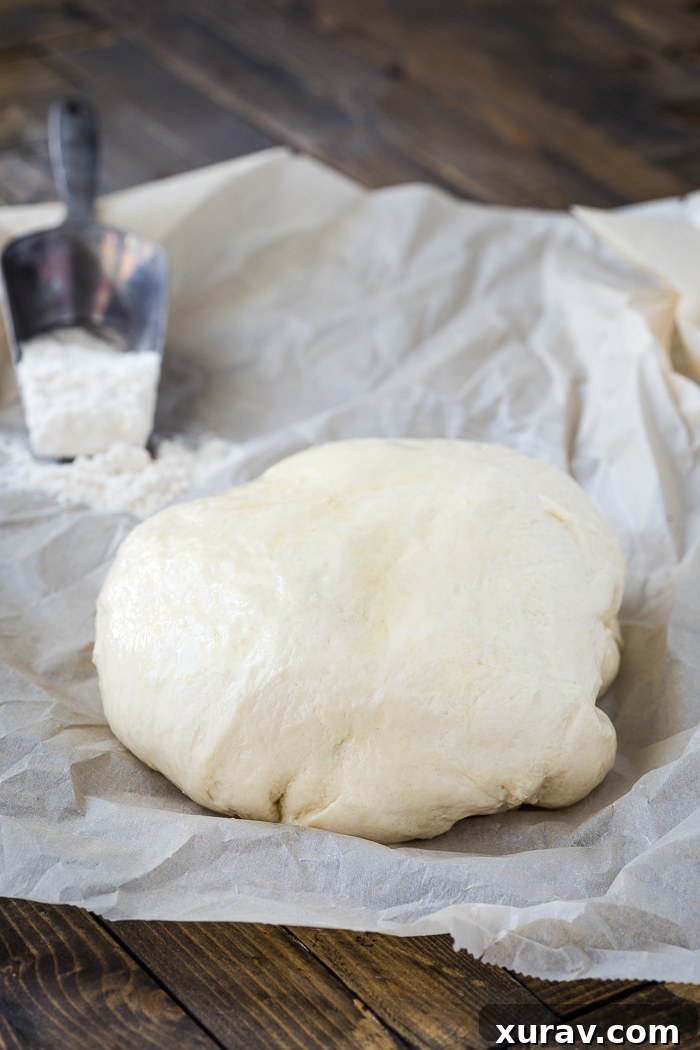
- Place the covered bowl in a warm, draft-free spot (such as a slightly warmed oven turned off, or near a sunny window) and let the dough rise until it has visibly doubled in size. This typically takes about 1 hour, depending on the warmth of your environment.
- Once risen, gently turn the dough out onto a lightly floured surface.
- Divide the dough into 8 equal pieces. For best results, you can use a kitchen scale to ensure even portions.
- Take each individual piece of dough and roll it into a smooth round ball. Then, gently flatten each ball into a 4-inch circle. It’s important to keep the remaining dough pieces covered with plastic wrap or a towel while you work to prevent them from drying out.
- Allow the flattened dough circles to rest for an additional 10 minutes. This crucial resting period helps to relax the gluten, making the dough much easier to roll out evenly.
- Approximately 10 minutes before you are ready to cook, place a heavy-bottomed cast iron pan or skillet over medium-high heat. Allow it to preheat thoroughly until it’s very hot and almost smoking. This intense heat is essential for the naan to puff.
- Working with one dough circle at a time, gently uncover it. Using a lightly oiled rolling pin, roll the dough into a 6-inch oval or traditional teardrop shape.
- Carefully lift one rolled dough piece, gently stretch it an additional inch or so by hand, and place it directly onto the preheated, hot skillet. Adjust its shape if necessary to fit the pan.
- Cook the naan for about 30 seconds, or until small bubbles begin to appear all over the surface of the dough. This indicates it’s cooking rapidly and creating steam.
- Using tongs, carefully flip the naan. Cook the second side for approximately 2 minutes, or until the bottom is beautifully speckled with deep golden-brown spots and light charring appears.
- Flip the naan again and cook for another 1-2 minutes, until the other side also develops attractive golden-brown speckles and the naan puffs up fully, indicating a perfect cook.
- Remove the cooked naan from the skillet and immediately place it on a wire cooling rack.
- Generously brush the hot naan with the melted butter.
- Season with a sprinkle of salt and garlic salt to taste. If desired, garnish with fresh chopped cilantro or a sprinkle of nigella seeds for an authentic touch.
- Serve your freshly made homemade naan warm and enjoy its incredible flavor and texture!
Please note: Our recipe card content typically bases nutrition facts on averages for the listed ingredients. Different brands, and the specific quality of produce or meats, may have varying nutritional information. For precise dietary tracking, always calculate your own nutritional values based on the specific products you use for this recipe.
We truly hope you love the process of making and enjoying this delicious homemade flatbread naan as much as we do. There’s an undeniable satisfaction that comes from the aroma and taste of freshly baked bread, especially when it’s made from scratch right in your own kitchen. It’s a wonderful and accessible way to bring rich global flavors and culinary traditions into your home, sharing a unique and memorable eating experience with your loved ones. Don’t hesitate to experiment with different seasonings, from spicy chili flakes to aromatic rosemary, or serve it alongside a diverse array of dishes beyond just Indian cuisine. Happy cooking!
Loved this recipe?
We’d love to see your culinary creations! Mention @ezpzmealz or tag #ezpzmealz on Pinterest or your favorite social media platform!
Streamline Your Meal Planning!
Discover PrePear, a fantastic FREE Meal Planning App designed to simplify your kitchen routine. It allows you to effortlessly save all your favorite recipes, plan delicious meals for the week, create smart grocery lists, and cook with unparalleled ease, all organized in one convenient place. Join Here Today and transform your cooking experience!