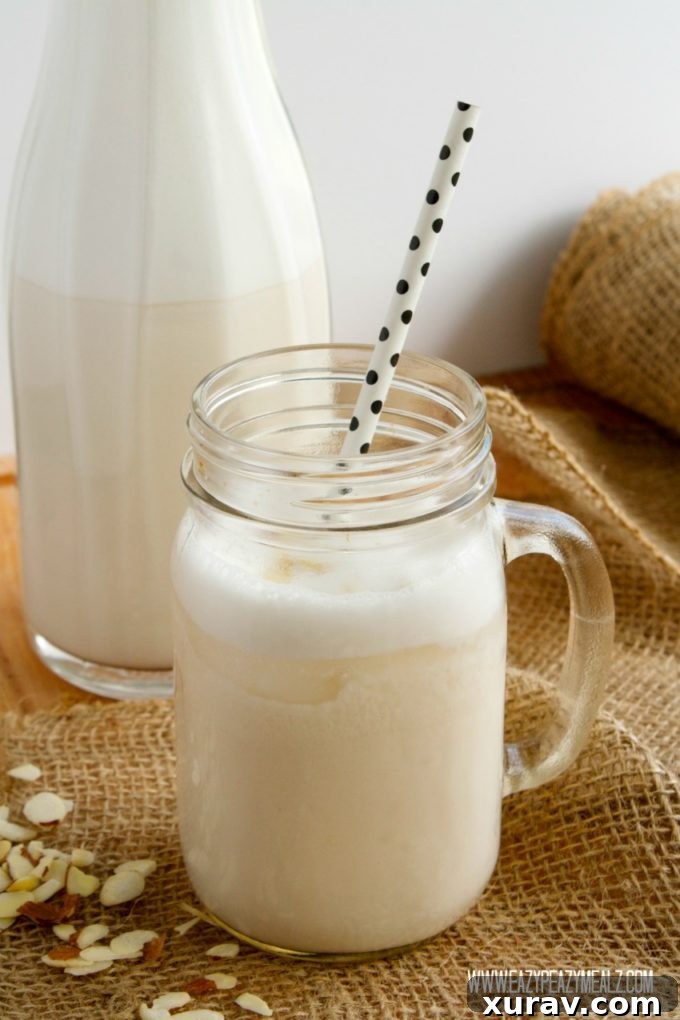
Unlock the Goodness: Your Ultimate Guide to Making Homemade Nut Milk
Embarking on a journey towards healthier eating often leads us to explore wholesome alternatives. Among the most popular and beneficial choices is nut milk, a delicious and versatile plant-based staple. While store-bought options are readily available, creating your own homemade nut milk offers an unparalleled experience in freshness, flavor, and purity. This comprehensive guide will walk you through everything you need to know to effortlessly make creamy, nutritious nut milk right in your kitchen, ensuring you always have a healthy, customizable option at your fingertips.
Why Make Your Own Nut Milk? The Benefits Unveiled
If integrating healthier habits into your lifestyle, such as a New Year’s Resolution to eat cleaner, you might find yourself frequently reaching for nut milk. While these store-bought varieties offer convenience, the advantages of making your own are substantial and compelling:
1. Cost-Effectiveness
Purchasing pre-made nut milk can become surprisingly expensive, especially if you opt for organic or specialized brands. Nuts, while an initial investment, yield a significant amount of milk, making the homemade route far more economical in the long run. By making it yourself, you control the production costs and save money, which can add up considerably over time.
2. Unmatched Freshness and Flavor
There’s simply no comparison to the taste of freshly made nut milk. It possesses a vibrant, pure flavor that commercially processed versions often lack due to extended shelf life and added ingredients. You’ll notice a richer, more authentic nutty essence that elevates everything from your morning coffee to your favorite smoothies.
3. Complete Ingredient Control
One of the most significant benefits is knowing exactly what goes into your milk. Commercial nut milks often contain a host of additives: sugars, thickeners (like carrageenan or gellan gum), emulsifiers, and preservatives. When you make nut milk at home, you can:
- Avoid Added Sugars: Customize sweetness levels or enjoy it unsweetened.
- Eliminate Preservatives: Ensure your milk is free from artificial chemicals.
- Skip Unnecessary Thickeners: Achieve your desired consistency naturally.
- Choose Organic Ingredients: Opt for organic nuts to avoid pesticides and other unwanted substances.
4. Environmental Friendliness
By making your own, you reduce reliance on single-use plastic cartons or bottles, contributing to less waste and a smaller carbon footprint. Reusable containers for storage further enhance this eco-conscious choice.
Beyond the Milk: Utilizing Nut Pulp
Another fantastic advantage of making your own nut milk is the leftover pulp. Instead of discarding it, this fibrous byproduct is a valuable ingredient with numerous uses:
- Gluten-Free Flour: Dry the pulp thoroughly, then grind it further in a food processor or spice grinder to create a nutrient-dense, gluten-free flour. This can be used in baking recipes, adding a unique texture and flavor.
- Boost Smoothies and Oatmeal: Add fresh or dried pulp directly to smoothies, oatmeal bowls, yogurt parfaits, or energy bites for an extra dose of fiber, protein, and healthy fats.
- Savory Dishes: Incorporate pulp into veggie burgers, crackers, or even as a binding agent in some savory dishes.
- Compost: If you’re not planning to use it in recipes, nut pulp makes an excellent addition to your compost pile, enriching your garden soil.
Given these compelling benefits and the versatility of the byproduct, if you regularly consume or use plant-based milks, the choice to make your own becomes clear. It’s surprisingly easy, immensely rewarding, and allows you to tailor the experience precisely to your preferences using any type of nut or seed you desire!
Essential Equipment for Nut Milk Making
To embark on your homemade nut milk journey, you’ll need just a few key pieces of equipment:
1. A Reliable Blender
A good quality blender is crucial. While a high-powered blender (like a Vitamix or Blendtec) will yield the creamiest, smoothest results with minimal effort, a standard blender can also do the job. You might just need to blend for a slightly longer duration and ensure thorough straining for the best consistency.
2. The Mighty Nut Milk Bag
This is arguably the most important tool for achieving silky-smooth nut milk. I highly recommend investing in a dedicated Nut Milk Bag. They are incredibly affordable, typically under $10, and make the straining process significantly easier and more efficient than using cheesecloth. Cheesecloth can be messy, harder to clean, and often allows fine particles through, resulting in a less smooth milk.
When selecting a nut milk bag, look for one that is:
- Durable: Made from strong, high-quality nylon or hemp that can withstand repeated use and squeezing.
- Fine Mesh: Ensures maximum straining power, yielding a truly smooth milk.
- Large Capacity: A generous size makes it easier to handle larger batches without spills.
- Easy to Clean: Look for bags that rinse out easily and are machine washable.
I recommend the Everyday Kitchen Essentials Nut Milk Bag for its excellent quality and the company’s commitment to customer satisfaction, which includes a 100% money-back guarantee. You can find more details about it in this review post. However, any reputable brand will serve you well. Here’s a helpful list of highly-rated nut milk bags to explore. (Please note: these are affiliate links. Read our disclosure policy to learn more).
Recipe: How to Make Your Own Nut Milk
Making your own nut milk is a simple process, requiring minimal ingredients and effort for maximum reward. This recipe focuses on creating a versatile base that can be customized to your taste.
Ingredients:
- 1 cup nuts (soaked overnight)
- 3 cups filtered water
- Up to 1 Tbs sweetener of choice (optional, e.g., maple syrup, dates, honey)
- Pinch of salt (optional, enhances flavor)
- 1/2 tsp vanilla extract (optional)
Instructions:
-
Prepare the Nuts: Place your chosen nuts in a bowl and cover with fresh, filtered water. Let them soak overnight (or for at least 8 hours). Soaking helps to soften the nuts, making them easier to blend into a creamy consistency, and can also aid in digestion by breaking down enzyme inhibitors. For softer nuts like cashews or pine nuts, a shorter soak of 2-4 hours is sufficient, and some don’t require straining at all for a very creamy result.
-
Rinse and Blend: Drain and thoroughly rinse the soaked nuts. Transfer the rinsed nuts to a high-powered blender. Add 3 cups of fresh filtered water. For a richer, thicker milk, you can start with less water (e.g., 2.5 cups) and add more later if desired. Blend on high for 1-2 minutes, until the mixture is smooth and creamy. The longer you blend, the smoother your milk will be.
-
Strain the Milk: Place a nut milk bag over a large bowl or pitcher. Pour the blended nut mixture into the bag. Gather the top of the bag and gently begin to squeeze the liquid from the top down, forcing the milk through the fine mesh. Continue squeezing until all the liquid is extracted and you are left with only dry nut pulp in the bag.
-
Sweeten and Flavor (Optional): Rinse your blender clean. Pour the strained nut milk back into the blender. At this stage, you can add your preferred sweetener (up to 1 tablespoon of maple syrup, a few pitted dates, or a drizzle of honey), a pinch of salt, or 1/2 teaspoon of vanilla extract for added flavor. Blend again for a few seconds to incorporate the additions. Taste and adjust as needed.
-
Store: Transfer your freshly made nut milk to an airtight jar or bottle and refrigerate.
Notes:
- Using a nut milk bag instead of cheesecloth offers superior straining and easier cleanup.
- Homemade nut milk does not contain preservatives, so it’s best consumed within 2-4 days. Only make as much as you anticipate using in that timeframe.
- Softer nuts like cashews and pine nuts yield incredibly creamy milk and often do not need to be strained, producing a “whole nut” milk.
- Adjust the liquid to nut ratio according to your desired thickness and richness. For a thinner milk, add more water; for a creamier consistency, use less.
- For a warm beverage, gently heat the milk on the stovetop; avoid boiling.
Nutrition Information (per serving, estimated for 3 servings):
- Calories: 285 kcal
- Carbohydrates: 12g
- Protein: 8g
- Fat: 24g
- Saturated Fat: 3g
- Sodium: 18mg
- Potassium: 286mg
- Fiber: 4g
- Calcium: 41mg
- Iron: 1.8mg
Our recipe calculations are based on averages for the ingredients listed. Nutritional information can vary depending on brands, quality of produce, and specific nuts used. Always calculate your own based on the specific products you use to achieve accurate macros for this recipe.
Tried this recipe?
Mention @ezpzmealz or tag #ezpzmealz! We love seeing your creations!
Want to use this recipe in a meal plan?
Try PrePear, my FREE Meal Planning App that allows you to save your recipes, plan meals, shop for groceries, and cook simply in one place. Join Here!
Creative Ways to Enjoy Your Homemade Nut Milk
The versatility of homemade nut milk makes it an invaluable addition to any kitchen. Beyond being a refreshing beverage, it can elevate countless dishes:
- Everyday Beverage: Enjoy it chilled on its own, pour it over your morning cereal or granola, or use it as a base for creamy coffee, tea, or hot chocolate.
- Smoothies and Shakes: Nut milk provides the perfect liquid base for nutrient-packed smoothies, adding creaminess and a subtle nutty flavor.
- Baking and Cooking: Substitute nut milk for dairy milk in virtually any recipe, from pancakes and waffles to creamy soups, sauces, and baked goods. Its mild flavor generally doesn’t overpower other ingredients.
- Overnight Oats and Puddings: Create delicious and healthy breakfast or dessert options by soaking oats or chia seeds in nut milk overnight.
- Dressings and Dips: Use it to lighten up salad dressings or create dairy-free creamy dips.
For inspiration, be sure to check out this Dairy-Free Healthy Strawberry Milkshake that deliciously incorporates almond milk:
Or try this Protein-Packed Green Smoothie, which also uses nut milk as its foundation:
Troubleshooting Common Nut Milk Issues
While making nut milk is generally straightforward, you might encounter a few common scenarios. Here’s how to address them:
- Gritty Milk: If your milk feels gritty, it usually means the nuts weren’t blended long enough, or the straining wasn’t thorough enough. Blend for an additional minute or pass the milk through the nut milk bag a second time.
- Too Thin or Too Thick: This is an easy fix! If your milk is too thin, try using less water next time or a higher ratio of nuts. If it’s too thick, simply add a splash more water to reach your desired consistency.
- Separation in the Fridge: It’s completely normal for homemade nut milk to separate into a watery layer and a thicker, creamy layer. This is because there are no emulsifiers to keep it uniformly mixed. Simply give your jar a good shake before each use.
- Short Shelf Life: Homemade nut milk lacks preservatives, so its shelf life is naturally shorter. Ensure your nuts are fresh, your water is filtered, and your storage container is clean and airtight. If you can’t consume it all within 3-4 days, consider freezing portions in ice cube trays for later use in smoothies or cooking.
Conclusion: Embrace the Homemade Difference
Making your own nut milk is more than just a culinary task; it’s a step towards greater control over your diet, a deeper appreciation for whole ingredients, and a commitment to healthier, more sustainable living. From the incredible cost savings and the ability to customize every nuance of flavor to the pure satisfaction of knowing exactly what you’re consuming, the benefits are clear.
So, gather your blender, a quality nut milk bag, and your favorite nuts. Experience the simple joy and delicious difference of fresh, homemade nut milk. Your taste buds and your body will thank you!