The Ultimate Guide to an Unforgettable European Road Trip: Essential Tips for Driving Across Europe
Having traversed the diverse landscapes of over 15 European countries by car, I can confidently share that a European road trip is an unparalleled adventure. It offers an incredible opportunity to explore hidden gems, embrace local cultures, and create lasting memories. However, to truly unlock its potential and avoid common pitfalls, preparation is key.
While driving in Europe shares some similarities with North America, there are numerous distinct differences that can significantly impact your experience. Understanding these nuances upfront will transform a potentially frustrating journey into an effortlessly enjoyable one. This comprehensive guide, born from countless kilometers on European roads, will equip you with all the essential knowledge for a successful and stress-free driving adventure.
In this in-depth guide, we will cover critical aspects to consider before and during your European road trip:
- Choosing Your Ideal Rental Car for Europe
- Navigating Tolls, Vignettes, and Parking in European Cities
- Understanding European Rules of the Road and Traffic Laws
- Mastering Fueling Up (Gas Stations) Across Europe
- Effective Navigation and Route Planning Strategies
- Budgeting for Your European Road Trip Adventure
- Additional European Road Trip Tips and Tricks
Choosing Your Ideal Rental Car for Europe
The vehicle you choose can profoundly impact the comfort and success of your European road trip. It’s not merely about getting from point A to point B; it’s about matching your car to your itinerary, group size, and driving preferences.
Automatic vs. Manual Transmission: A Crucial Decision
- Research Your Rental Carefully: Never assume your rental will be an automatic. The vast majority of rental cars in Europe feature manual (stick shift) transmissions. If you’re not proficient or comfortable driving a manual, explicitly request an automatic.
- Cost Implications: Be prepared to pay more for an automatic transmission, sometimes as much as 30-50% extra. However, for many travelers, the reduced stress of not having to navigate unfamiliar roads, different languages, and constant gear changes simultaneously is well worth the premium.
- Booking Ahead: It is often cheaper and easier to secure an automatic transmission if you arrange your rental well in advance, especially when booking from outside Europe (e.g., the U.S.). Always review your rental contract meticulously to confirm the transmission type.
Size Matters: Small is Often Better in Europe
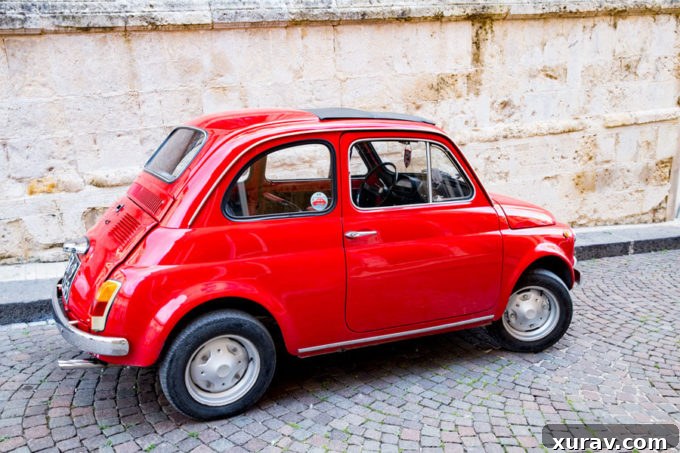
- Navigating Narrow Roads: While a spacious car might seem appealing for a road trip, Europe’s roads are frequently narrower than those in North America, often lacking shoulders, particularly in historic towns and mountain passes. A compact vehicle offers significantly greater maneuverability and reduces anxiety when passing oncoming traffic or squeezing through tight city streets. My experience driving a tiny Fiat on the Amalfi Coast and near Lake Como with my son perfectly illustrates this – it was absolutely essential for enjoyment.
- Parking Advantages: Smaller cars are much easier to park, a huge bonus given the scarcity and cost of parking in many European cities.
- Fuel Efficiency: Generally, smaller cars consume less fuel, leading to savings over the course of your journey.
Familiarity and Pre-Departure Checks
- Rent a Familiar Model: To minimize confusion in an already new environment, consider renting a car model you’ve driven before. Knowing the location of controls like wipers, headlights, and the fuel tank release can prevent stressful fumbling on the road.
- Thorough Car Familiarization: Before leaving the rental lot, dedicate at least five minutes to familiarize yourself with the vehicle. Test all essential functions:
- Headlights (including high beams)
- Wipers and washer fluid
- Gear shift operation
- Heat/AC system
- Identify the fuel type (diesel vs. unleaded/petrol) and how to open the gas cap.
- Adjust seats and mirrors for optimal comfort and visibility.
This quick check enhances safety and allows you to react instinctively to unexpected situations, like sudden rain.
Insurance and Additional Considerations
- Understand Your Insurance: Your personal car insurance or credit card coverage might not extend internationally. Look into Collision Damage Waiver (CDW) and Supplemental Liability Insurance (SLI) provided by the rental company. Consider a zero-deductible option for peace of mind.
- Child Seats and Additional Drivers: If traveling with children, pre-book child seats. Be aware that adding additional drivers usually incurs an extra daily fee.
- Inspect for Damage: Before driving off, thoroughly inspect the car for any existing damage (scratches, dents) and ensure it’s documented by the rental agency. Take photos or videos as proof.
Navigating Tolls, Vignettes, and Parking in European Cities
Tolls and parking fees are an undeniable reality of driving in Europe. Being prepared for these costs and understanding the systems will prevent unexpected fines and frustrations.
Understanding Tolls and Vignettes
- Tolls Are Common: Most European countries charge tolls for their highways, though some, like Germany’s Autobahn, remain free. These can be collected via traditional toll booths, electronic systems, or pre-paid vignettes.
- Vignettes: Several countries (e.g., Austria, Switzerland, Czech Republic, Slovenia, Hungary) use a ‘vignette’ system, which is a sticker or digital pass displayed on your windshield indicating you’ve paid for a certain period of highway use.
- Pro Tip: Check with your rental company if their vehicles come with the necessary vignettes. If not, purchase them at border crossings, gas stations, or post offices before entering the toll-charging country. Failing to display a valid vignette can result in substantial fines (e.g., €150 or more).
- Payment Methods: Many toll booths offer automatic and cashless options. If possible, choose lanes that accept credit cards or cash if you don’t have an electronic pass. Avoid ‘T’ (Telepass) or similar electronic-only lanes unless you have the corresponding device, as driving through without payment guarantees a fine.
Parking Strategies and Avoiding Fines
- Parking is Rarely Free: Assume you will pay for parking in most towns and cities.
- Hotel Parking: When booking accommodation, inquire about parking availability and reserve a spot in advance. Hotel parking can be expensive but convenient.
- Park-and-Ride (P+R): To save money, consider parking in a garage on the outskirts of major cities and using public transport (bus, tram, metro) to reach your hotel or city center. Even a €20 taxi ride into the city can be cheaper than €30-€50 per day in a downtown parking garage.
- Congestion Charges & ZTLs: Be aware that some major European cities (e.g., London, Rome, Stockholm, Milan) operate “congestion charge” or “Limited Traffic Zone” (ZTL – Zona a Traffico Limitato in Italy) schemes. Driving into these zones without a special permit can incur hefty fines. It’s often best to avoid driving within these cities entirely and rely on their excellent public transportation networks.
- Understanding Parking Signs and Pavement Markings: Parking rules vary significantly. Learn to interpret local signs and pavement colors:
- White lines often indicate free parking (but check signs for time limits).
- Blue lines typically mean paid parking.
- Yellow or red lines usually signify no parking or restricted parking.
Always look for “pay and display” machines. These allow you to pay for a specific duration, after which you display the ticket on your dashboard. Learn from my mistake in Lednice, Czechia, where a misinterpretation of signs led to an unexpected fine instead of a small parking fee. When in doubt, ask a local or find a clearly marked paid parking garage. A ticket or a boot on your car is a memory you want to avoid.
Understanding European Rules of the Road
Familiarizing yourself with European traffic laws is paramount for safety and avoiding fines. While some rules are universal, many are distinctly different from what you might be accustomed to.
Speed Limits: Strict Enforcement
- No Leniency: Unlike in some regions where a few miles over the limit might be tolerated, European speed limits are strictly enforced. Traffic cameras are common, snapping photos and issuing automated tickets by mail, often for exceeding the limit by as little as 5 km/h. A speeding ticket can easily cost upwards of $40 or more, a souvenir nobody wants.
- Check Your Statement: Even if you don’t receive a physical ticket in the mail, rental car companies are often billed directly by authorities and will pass the charge (plus an administrative fee) on to you. Always adhere to posted limits.
International Driving Permit (IDP)
Depending on your nationality and the countries you visit, you may need an International Driving Permit (IDP) in addition to your national driver’s license. The IDP translates your license into multiple languages and is recognized in over 150 countries. It’s a small investment that can prevent legal headaches, especially in Eastern European countries. Check the U.S. State Department website (or your country’s equivalent) for specific requirements for your destination countries.
Key European Driving Differences
- Right-Hand Priority: In many European countries, traffic coming from the right at unmarked intersections has priority unless otherwise indicated by signs. This is a crucial rule to remember.
- Roundabouts: Roundabouts are ubiquitous. Generally, traffic already in the roundabout has priority. Use your turn signals correctly: left for exiting left, right for exiting right, and no signal for going straight until you pass the exit before yours.
- Required Equipment: Many European countries mandate specific equipment in your car, such as:
- Reflective safety vests (for all occupants, to be worn if you exit the vehicle on a highway)
- Warning triangles
- First-aid kits
- Spare light bulbs
Check country-specific requirements before you go. Rental cars typically include these, but it’s wise to verify.
- Headlights: Some countries require headlights (or daytime running lights) to be on at all times, even during the day.
- Drinking and Driving Laws: Europe generally has much stricter blood alcohol limits for drivers than in North America. The safest approach is to abstain from alcohol if you plan to drive.
- Traffic Signs: Familiarize yourself with common European road signs, which are often pictorial and universally understood.
Mastering Fueling Up (Gas Stations) Across Europe
Fueling your car in Europe can be surprisingly confusing, a sentiment echoed by countless travelers and YouTube videos! Unlike the relatively standardized experience in North America, European gas stations offer a perplexing array of options and payment methods. The key is to expect the unexpected and don’t hesitate to ask for help.
Fuel Types: Know Your Vehicle’s Needs
- Diesel vs. Petrol: The most critical distinction is between Diesel (often called Gasoil, Mazout, or simply Diesel) and Unleaded Petrol (commonly Super, Benzina, Essence). Mixing these can cause severe engine damage. Rental cars usually have a sticker near the fuel cap indicating the correct type. Pay close attention to pump colors and labels. Diesel nozzles are often larger or colored differently.
- Octane Levels: Unleaded petrol usually comes in 95 and 98 octane ratings. Most rental cars will run fine on 95 (regular), but check if your car requires 98 (premium).
Payment Methods and Station Operations
- Attended vs. Unattended: Some stations, particularly along major highways, have attendants who can assist. These are often the easiest to navigate. However, many urban and rural stations are unattended, especially outside business hours.
- The “Pump First, Pay Later” Conundrum: Unlike the almost universal “pay at the pump” system in the US, many European stations, especially older ones or those in smaller towns, require you to pump your fuel first and then go inside to pay the attendant. This can be jarring and confusing if you’re expecting to pay with your card at the pump before fueling. I once drove on fumes through Italy, visiting four stations before realizing this crucial difference.
- Central Payment Terminals: At some unattended stations, particularly those outside major cities, there might be a central payment terminal where you select your pump number and pre-authorize an amount before fueling. These machines can be tricky, often requiring a specific type of credit card (with a PIN) or even cash.
- Credit Card Compatibility: Be aware that some older European pumps or unattended stations may not accept foreign credit cards, or may specifically require a card with a PIN. Always carry some cash (euros) as a backup for fuel.
General Advice for Fueling Up
- Ask for Help: If an attendant is present and you’re unsure, simply ask for assistance.
- Observe Locals: Watch how locals are fueling up and paying.
- Try Pumping First: If a pump isn’t working with your card and there’s no visible payment terminal, try fueling first then going inside.
- Don’t Let Your Tank Get Too Low: Fuel up when you’re at half a tank or more, especially in rural areas or on Sundays, as finding open stations can be challenging.
Navigation and Route Planning for Your European Road Trip
Effective navigation is paramount for a stress-free European road trip. While modern technology offers incredible assistance, a multi-faceted approach and a bit of foresight will save you countless headaches.
Embrace GPS and Offline Maps
- Dedicated GPS vs. Phone Apps: A dedicated Sat Nav (GPS device) can be excellent, but modern smartphone apps are often just as capable, if not more so. Apps like Google Maps, Apple Maps, HERE WeGo, and Waze are invaluable.
- Download Offline Maps: This is my number one tip! Mobile data can be spotty or expensive in certain regions. Download offline maps for all the countries you plan to visit before you leave home. This ensures you always have navigation, even without cellular service, and avoids hefty roaming charges.
- Carry a Power Bank: Constantly running GPS apps will drain your phone battery quickly. A high-capacity power bank and a car charger are essential.
Beyond the Screen: Situational Awareness
- Pre-Plan Your Route: Before setting out each day, take a few minutes to review your route on a map (digital or paper). Familiarize yourself with the major cities and towns you’ll pass through and their general direction. This way, if your GPS loses signal or gives a confusing instruction, you can still follow physical road signs leading in the correct general direction.
- Paper Map Backup: Always have a physical map as a backup. It’s invaluable for gaining an overall perspective, especially if you lose power or signal, and can be a lifesaver in emergencies.
- Understand Road Signs: European road signs use international symbols. While your GPS will tell you where to go, understanding these signs (e.g., speed limits, no entry, parking restrictions, motorway numbers) is crucial.
Time Management and Destination Accuracy
- Allow Extra Time: Always allocate more time than your GPS estimates. Unforeseen delays—road construction, heavy traffic, scenic detours, or simply getting lost—are part of the adventure. Rushing leads to stress and missed opportunities.
- Double-Check Destinations: Europe has many towns and cities with similar names. When inputting your destination into your GPS, always double-check the region or country to ensure you’re heading to the correct location. You don’t want to end up hours out of the way!
- Scenic Routes vs. Fastest: While navigation apps often default to the fastest route, don’t hesitate to explore scenic alternatives. Sometimes the most beautiful journey isn’t the quickest.
Budgeting for Your European Road Trip Adventure
A European road trip doesn’t have to break the bank. With smart planning and a few savvy tricks, you can enjoy an incredible adventure without constantly worrying about costs. My reality, like many, involves careful budgeting, so here are some proven strategies to save money on your journey:
Smart Financial Tools
- Credit Cards with No Foreign Transaction Fees: This is a must-have. Those small 1-3% fees on every transaction add up quickly. Using a card that waives these fees can result in significant savings over the course of your trip.
- ATM Cards with No Fees: Even if you primarily use credit cards, you’ll inevitably need cash for tolls, small purchases, street food, or parking meters. An ATM card that reimburses or doesn’t charge foreign ATM fees (and ideally has a good exchange rate) is invaluable. Always decline the ATM’s offer to convert currency for you; choose to be charged in the local currency for a better rate.
Saving on Daily Expenses
- Grocery Store Snacks and Picnics: One of the easiest ways to save is to skip overpriced convenience store and gas station snacks. Stock up at local grocery stores for drinks, picnic lunches, and road trip treats. This is also a fantastic way to discover local products!
- Fuel Efficiency Through Smart Driving: Speeding not only risks a fine but also significantly reduces your car’s fuel efficiency. Adhere to speed limits, drive smoothly, and avoid aggressive acceleration and braking to maximize your kilometers per liter and minimize fuel costs.
- Accommodation Savings: Look for hotels or guesthouses that offer free or reasonably priced parking. Explore alternatives like Airbnb or even campsites, especially if you’re traveling during peak season. Consider staying just outside city centers where accommodation and parking are often cheaper.
Optimizing Travel Costs
- Split Costs with Friends: Traveling with companions allows you to share the expenses of rental car fees, fuel, tolls, and accommodation, making the trip much more affordable per person.
- Strategic Toll Payments: As mentioned, research vignettes versus individual toll payments. For a short trip through a vignette-required country, buying the pass might be cheaper than paying individual tolls (if that option even exists), but for just a couple of tolls, paying individually might be more economical if vignettes are for longer periods.
- Leverage Public Transportation in Cities: Parking in city centers is expensive and often frustrating. Utilize Europe’s excellent public transport. Park on the outskirts (often cheaper) and take trams, metros, or buses into the city. It saves money, hassle, and gives you a taste of local life.
Embrace the Journey
While budgeting is important, remember that the cost of fuel and the rental car alone add up. Ensure you build in time to genuinely enjoy the journey. Make unexpected stops, explore small towns, and connect with locals. Some of my most cherished road trip memories come from spontaneously pulling off the main road for a picnic in a quaint village, leading to fascinating conversations and a deeper understanding of the local culture, such as a memorable encounter in the Netherlands.
Essential European Road Trip Tips & Tricks
Beyond the practicalities of driving, these additional tips will enhance your European road trip, turning it into an even more immersive and enjoyable experience.
Embrace Local Flavors and Experiences
- Indulge in European Treats: Europe offers an incredible array of unique snacks and delicacies you won’t find elsewhere. From savory Balsamic Vinegar chips and artisanal chocolates to endless varieties of Haribo gummies, local meat sticks, and regional cheeses – make tasting a part of your adventure. Visit local markets and grocery stores to explore.
- Appreciate Street Performers: You’re likely to encounter incredibly talented street performers throughout Europe’s cities and towns. Street performing is a highly refined art form here. Take a moment to stop, listen, watch, and enjoy their artistry. A small gratuity is always appreciated and encourages these cultural contributions.
Smart Travel Logistics
- Utilize Public Transportation within Cities: As highlighted in the budgeting section, it’s often more efficient, cost-effective, and enjoyable to use public transport (trams, buses, subways, trains) once you reach a city. Park your car on the outskirts and let Europe’s superb transit systems navigate the urban centers for you. It’s a fantastic way to see the city from a different perspective and avoid stressful city driving and parking fees.
- Pack Smart for the Car:
- Entertainment: Create upbeat playlists, download audiobooks, or listen to audio guides about your upcoming destinations. Prepare games, conversation starters, or even learn some basic phrases in the local language to keep everyone entertained during longer drives.
- Comfort Essentials: Bring a small pillow or neck support for passengers, comfortable shoes for driving and walking, and layers of clothing to adapt to varying temperatures.
- Adapters and Chargers: Don’t forget universal power adapters for charging your devices in hotels, and ensure you have car chargers for all your electronics.
- Snack Bag: A reusable bag for grocery store snacks and water bottles is always useful.
- Learn Basic Phrases: While English is widely spoken in tourist areas, learning a few basic phrases in the local language (hello, thank you, please, excuse me, where is the bathroom?) goes a long way and is a sign of respect.
- Emergency Contacts: Know the local emergency number (112 for most of Europe) and have your rental car company’s roadside assistance number readily available.
- Flexibility is Key: While planning is crucial, be open to spontaneous detours and changes. Some of the best road trip moments come from unexpected discoveries.
With careful planning and an open mind, your European road trip promises to be an unforgettable journey filled with discovery, adventure, and incredible memories. Hit the road with confidence and embrace every kilometer!
Pin to your Travel Board: