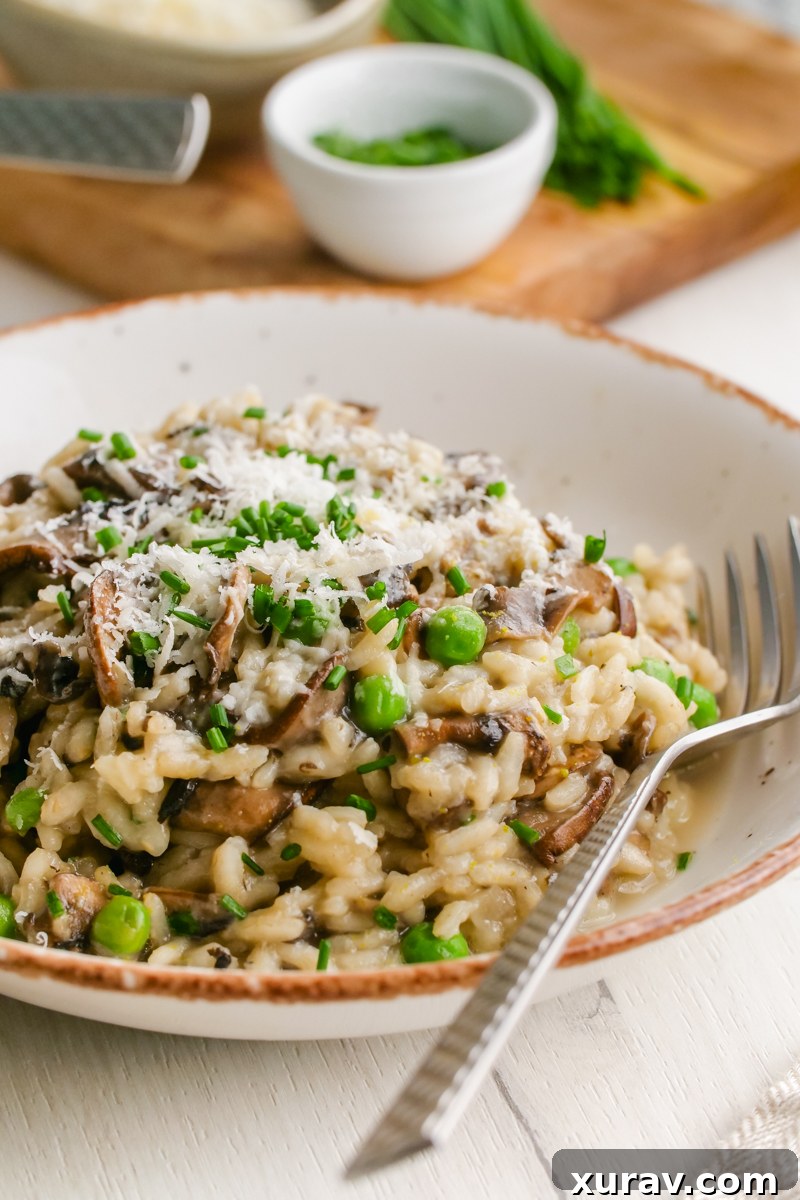
Mushroom Risotto: Your Ultimate Guide to a Creamy, Earthy Masterpiece
Craving a dish that’s both comforting and elegant? Look no further than a perfectly made Mushroom Risotto. Many perceive risotto as a daunting culinary challenge, typically reserved for high-end restaurant menus. However, this delicious, creamy, and deeply flavorful dish is far more accessible to home cooks than you might imagine. With a straightforward method, a bit of attention, and the right techniques, you can achieve restaurant-quality mushroom risotto right in your own kitchen.
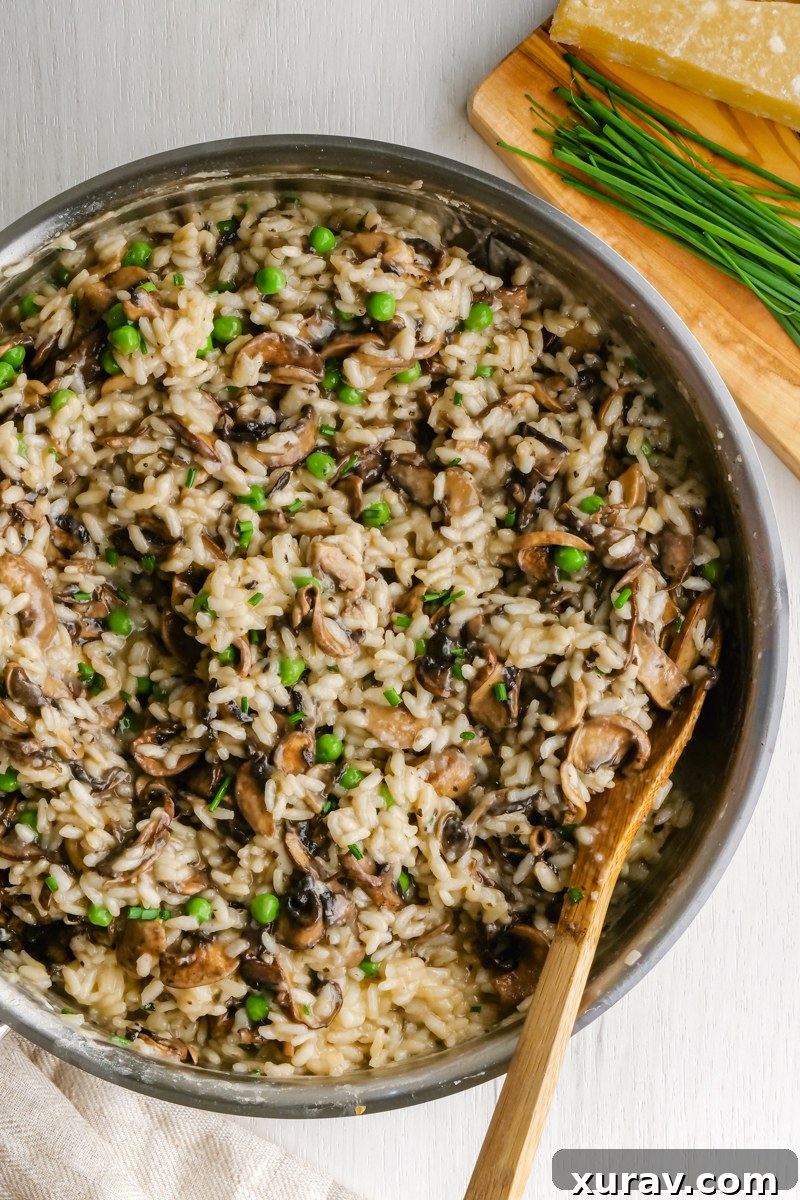
Imagine spooning into a bowl of perfectly cooked Arborio rice, each grain tender yet firm, enrobed in a rich, velvety sauce infused with the earthy goodness of sautéed mushrooms, savory Parmesan cheese, a hint of butter, and the subtle complexity of white wine. This is not just a meal; it’s an experience. This comprehensive guide will equip you with all the knowledge and confidence you need to prepare an exquisite mushroom risotto that will impress your family and friends, or simply provide a comforting indulgence for yourself.
Risotto is a versatile dish that can stand alone as a satisfying main course, perhaps accompanied by a crisp Roasted Carrots side, or served alongside a protein like Lemon Rosemary Grilled Chicken for a truly complete and memorable meal.
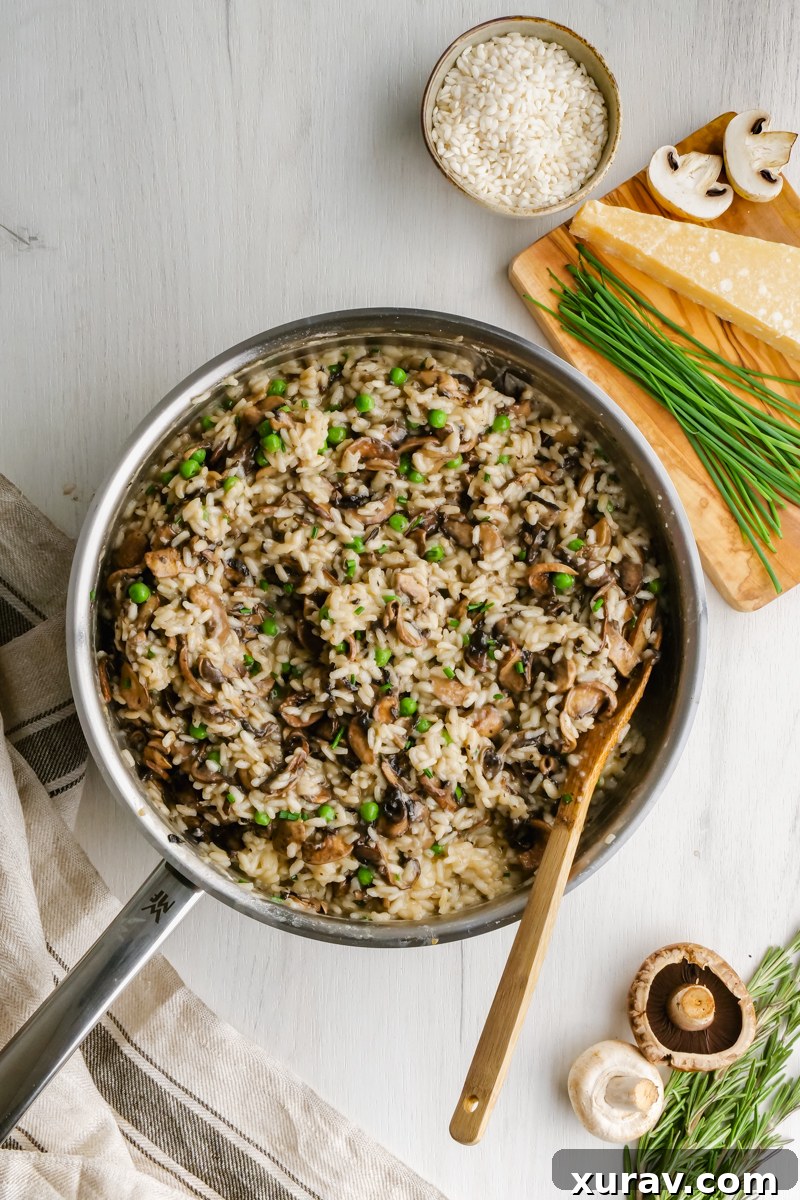
The allure of risotto lies in its rich flavor, luxurious texture, and its ability to transform simple ingredients into something extraordinary. While some believe risotto is a temperamental dish, I’m here to assure you it doesn’t have to be stressful. The secret lies in understanding the core technique and committing to a few key steps that unlock its inherent creaminess and robust flavor. If you’re ready to elevate your cooking skills and introduce a truly spectacular dish into your meal rotation, let’s dive into the world of mushroom risotto.
Demystifying Risotto: The Technique Behind the Creaminess
Contrary to popular belief, making risotto is not an overly complicated process. At its heart, risotto involves a beautifully simple culinary dance:
- Gradually adding warm liquid to short-grain rice.
- Gently stirring the mixture.
- Allowing the liquid to be absorbed, releasing the rice’s natural starches.
- Repeating this process until the rice reaches a perfect al dente texture with a luscious, creamy consistency.
That’s truly the essence of it! The mystique surrounding risotto often stems from its presence in upscale restaurants or the notion that achieving the ideal consistency is challenging. While it’s true that precision and attention are important, the process itself is quite forgiving once you understand the fundamentals.
In fact, many home cooks routinely prepare dishes that are arguably more complex than risotto. The key is to approach it not as a rigid recipe to be followed to the letter, but as a technique to be mastered. Once you grasp the basics – how to create a flavorful base (soffritto), how to properly toast the rice (tostatura), and how to slowly incorporate broth ladle by ladle – a world of risotto possibilities opens up before you.
This mastery allows for endless customization. While this guide focuses on the incredible flavors of mushrooms, the underlying technique can be applied to create a myriad of other delicious risottos, incorporating vegetables, seafood, or various cheeses. Don’t let perceived difficulty prevent you from experiencing the sheer joy and satisfaction of a homemade, perfectly creamy risotto.
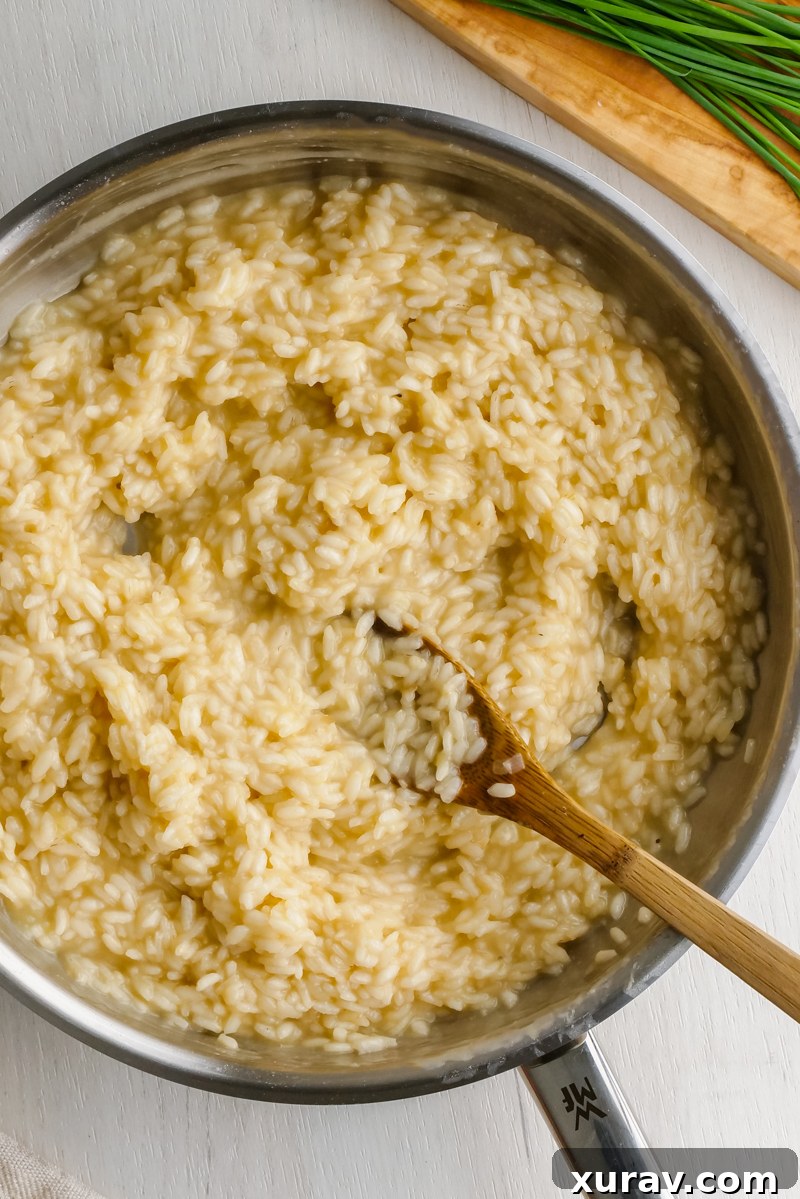
Essential Ingredients for the Perfect Mushroom Risotto
The success of your mushroom risotto hinges on selecting the right ingredients and understanding their roles. Here’s a deeper look:
Choosing the Right Rice: The Heart of Your Risotto
Risotto is fundamentally a rice dish, not a pasta, and the type of rice you use is non-negotiable. For a truly authentic and creamy risotto, you absolutely must use a high-starch, short-grain Italian rice. Do not attempt to substitute with long-grain white rice or any other type of rice you might have on hand; the results will be disappointing, lacking the characteristic creaminess and texture.
- Arborio Rice: This is the most widely available and common choice for risotto. Its medium-to-short grains have a high starch content and a firm core, allowing it to absorb a significant amount of liquid while retaining a pleasing chewiness and releasing starches that create the creamy sauce.
- Carnaroli Rice: Often considered the “King of Risotto Rices” by Italian chefs. Carnaroli has longer grains than Arborio and an even higher starch content. It holds its shape exceptionally well during cooking, making it more forgiving and less prone to becoming mushy, while still delivering superior creaminess. If you can find it, it’s an excellent choice.
- Vialone Nano Rice: This short, plump grain rice is highly prized for producing an incredibly silky, creamy risotto. It’s also known for being easier to digest and less likely to overcook. While it can be more expensive and harder to find, it truly elevates the risotto experience.
For this recipe, Arborio rice is highly recommended due to its accessibility and reliable performance. However, if you come across Carnaroli or Vialone Nano, don’t hesitate to try them. The key is starch, starch, starch! Resist the urge to rinse your rice, as this removes the very starches essential for achieving that desirable creaminess.
Selecting Your Mushrooms: A Symphony of Flavors
While the rice forms the base, the mushrooms are the star of our dish. The good news is that when it comes to mushrooms, you have much more flexibility than with the rice. For this particular Mushroom Risotto recipe, a combination of portobello and white (button) mushrooms is used, offering a wonderful balance of robust, earthy flavor and delicate texture.
However, the world of fungi offers numerous delicious options that marry beautifully with risotto:
- Portobello: Known for their meaty texture and deep, earthy flavor, they add significant body to the risotto.
- White (Button): Milder in flavor, they provide a classic mushroom taste and contribute to the overall texture.
- Cremini (Baby Bellas): These are simply younger portobello mushrooms, offering a similar but slightly less intense flavor. They are an excellent all-around choice.
- Shiitake: With a distinct umami flavor and slightly chewy texture, shiitake mushrooms can add an Asian-inspired depth. Be sure to remove the tough stems before cooking.
- Chanterelle: Prized for their delicate, peppery, and sometimes fruity aroma, chanterelles offer a lighter, more refined flavor profile.
- Oyster: These mushrooms have a slightly sweet and delicate taste, adding a unique tenderness to the dish.
Feel free to experiment with your favorite mushrooms or a mix of several types to create a flavor profile that truly appeals to you. Each variety will bring its own subtle nuances to the dish.
Quality Broth, Wine, and Aromatics
- Broth: High-quality chicken or vegetable broth is paramount. It’s the liquid absorbed by the rice, so its flavor will permeate the entire dish. Opt for a low-sodium variety so you can control the seasoning yourself.
- Dry White Wine: A dry white wine, such as Pinot Grigio, Sauvignon Blanc, or an unoaked Chardonnay, adds a crucial layer of acidity and complexity, deglazing the pan and contributing depth of flavor. If you prefer not to use alcohol, an equal amount of additional broth can be substituted, though the flavor profile will be slightly different.
- Aromatics: Shallots provide a milder, more delicate onion flavor than regular onions, perfect for a refined risotto. Fresh garlic can also be added.
- Fats: Olive oil is used for sautéing the mushrooms and aromatics, while butter is essential for both the initial flavor base (soffritto) and the final “mantecatura” stage, contributing richness and creaminess.
- Herbs and Cheese: Fresh herbs like rosemary and thyme infuse the mushrooms with aromatic notes, while fresh chives add a mild oniony brightness at the end. High-quality freshly grated Parmesan cheese is crucial for flavor and the final creamy texture.
Mastering the Art of Creamy Mushroom Risotto: A Step-by-Step Guide
Follow these detailed steps to achieve a truly exceptional mushroom risotto. Precision and patience are your best allies.
Preparation is Key: Mise en Place
Before you even turn on the stove, ensure all your ingredients are measured, chopped, and ready to go. This “mise en place” approach is vital for risotto, as the cooking process requires continuous attention and quick additions. Having everything prepared will prevent frantic scrambling and potential mistakes.
The Flavor Base: Crafting the Soffritto
The foundation of any good Italian dish is the soffritto – a mixture of aromatic vegetables gently cooked in fat. In a heavy-bottomed pan, melt a tablespoon of butter and add your finely minced shallots. Cook them gently until they are translucent and fragrant, but not browned. This step sets the stage for a rich, nuanced flavor.
Toasting the Rice: Unlocking Flavor (Tostatura)
Once the shallots are fragrant, add the Arborio rice to the pan. Stir constantly for about 2 minutes, allowing the grains to lightly toast. This process, known as “tostatura,” develops a nutty flavor in the rice and helps each grain maintain its structure throughout the cooking process. You’ll notice the edges of the rice grains becoming slightly translucent and very lightly golden.
Deglazing with Wine: Adding Depth
Pour in the dry white cooking wine. Continue stirring constantly until the wine is fully absorbed by the rice. This step deglazes the pan, lifting any flavorful browned bits, and adds a layer of acidic complexity that balances the richness of the dish.
The Gradual Addition of Broth and Constant Stirring
This is the heart of the risotto technique and the key to its legendary creaminess. Begin adding the warm chicken or vegetable broth, about half a cup at a time, to the rice. Stir consistently, but not frantically, allowing the rice to slowly absorb each addition of liquid. As the rice absorbs the broth, it releases its starches, creating a naturally creamy sauce.
Wait until almost all the liquid has been absorbed before adding the next ladle of broth. Repeat this patient process for approximately 25-35 minutes. Maintain a medium-high heat: too low, and the absorption will take forever; too high, and the rice might stick or cook unevenly. The constant stirring is crucial as it gently agitates the rice, encouraging the starch release that gives risotto its characteristic velvety texture.
The Final Touch: Mantecatura
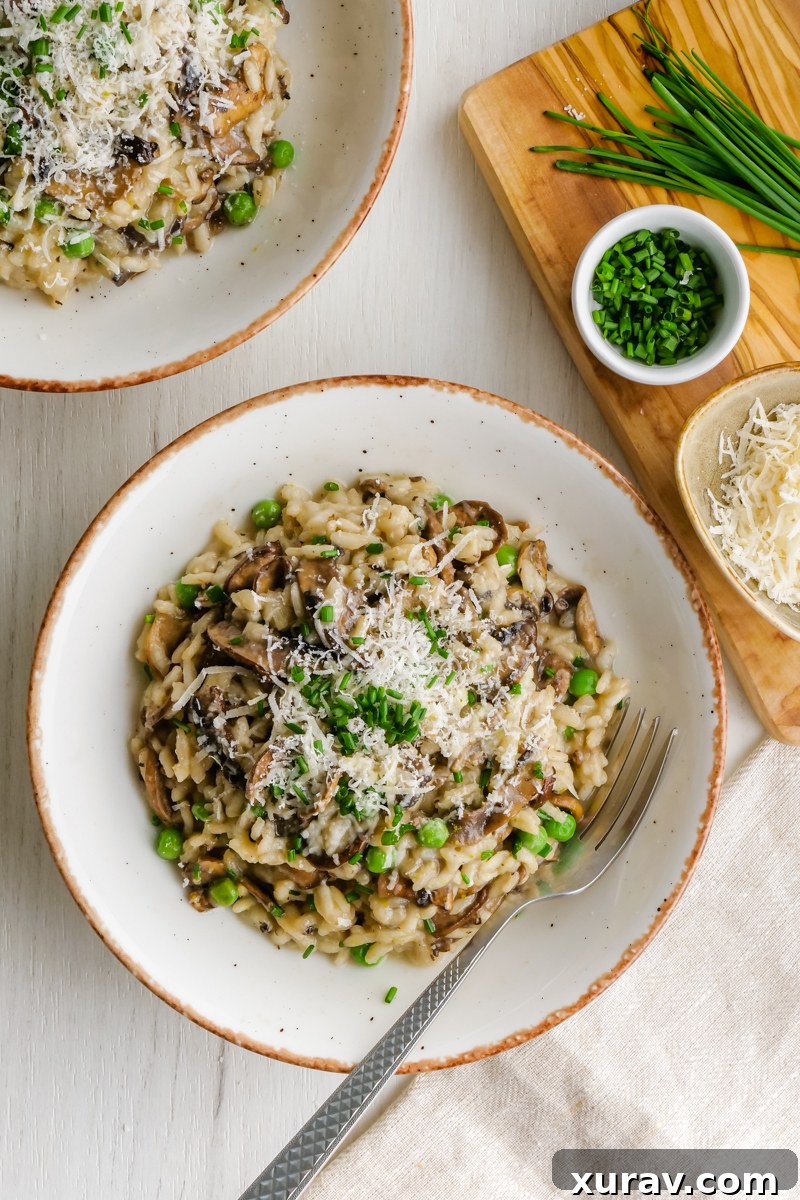
Once the rice is al dente (firm to the bite, not mushy) and the risotto has reached your desired creamy consistency, remove it from the heat. This final stage, “mantecatura,” involves stirring in the pre-cooked mushrooms (along with any reserved liquid), remaining butter, finely chopped chives, petite peas, and freshly grated Parmesan cheese. The butter and cheese are vigorously stirred in to emulsify with the rice, creating an incredibly rich, glossy, and intensely creamy finish. Taste and adjust the seasoning with salt and freshly ground black pepper as needed. Serve immediately.
Pro Tips for the Best Mushroom Risotto Every Time
Achieving risotto perfection is easier with these expert tips:
- Use the Right Pan: A heavy-bottomed saucepan or skillet with moderately high sides is ideal. The heavy bottom helps maintain a consistent temperature, which is crucial for even cooking, while the sides prevent the broth from evaporating too quickly.
- Always Warm Your Broth: This is arguably the most important tip for a truly creamy risotto. Adding cold broth to warm rice can shock the grains, causing them to seize up and prevent the proper release of starches. Keeping your broth simmering gently in a separate saucepan ensures a smooth, continuous cooking process and maximizes starch extraction.
- Stir Consistently, Not Frantically: While constant stirring is necessary, it doesn’t mean aggressive stirring. A gentle, continuous stir is all that’s needed to prevent sticking and encourage even starch release.
- Don’t Rinse the Rice: Unlike other rice dishes, you do not want to rinse risotto rice. The powdery starch coating on the grains is essential for achieving the creamy texture.
- Cook Mushrooms Separately: For the best texture and flavor, sauté your mushrooms in a separate pan before adding them to the risotto at the very end. This ensures they cook perfectly without steaming in the risotto pot, and allows them to caramelize, intensifying their earthy flavor. Reserve any liquid released by the mushrooms to stir back into the risotto.
- Be Prepared (Mise en Place): As mentioned, have all ingredients prepped and ready to go. Risotto demands your full attention; multitasking with chopping and measuring while cooking is a recipe for disaster.
- Taste as You Go: Regularly taste the risotto as it cooks. This allows you to adjust seasoning, determine the doneness of the rice, and gauge the overall flavor development.
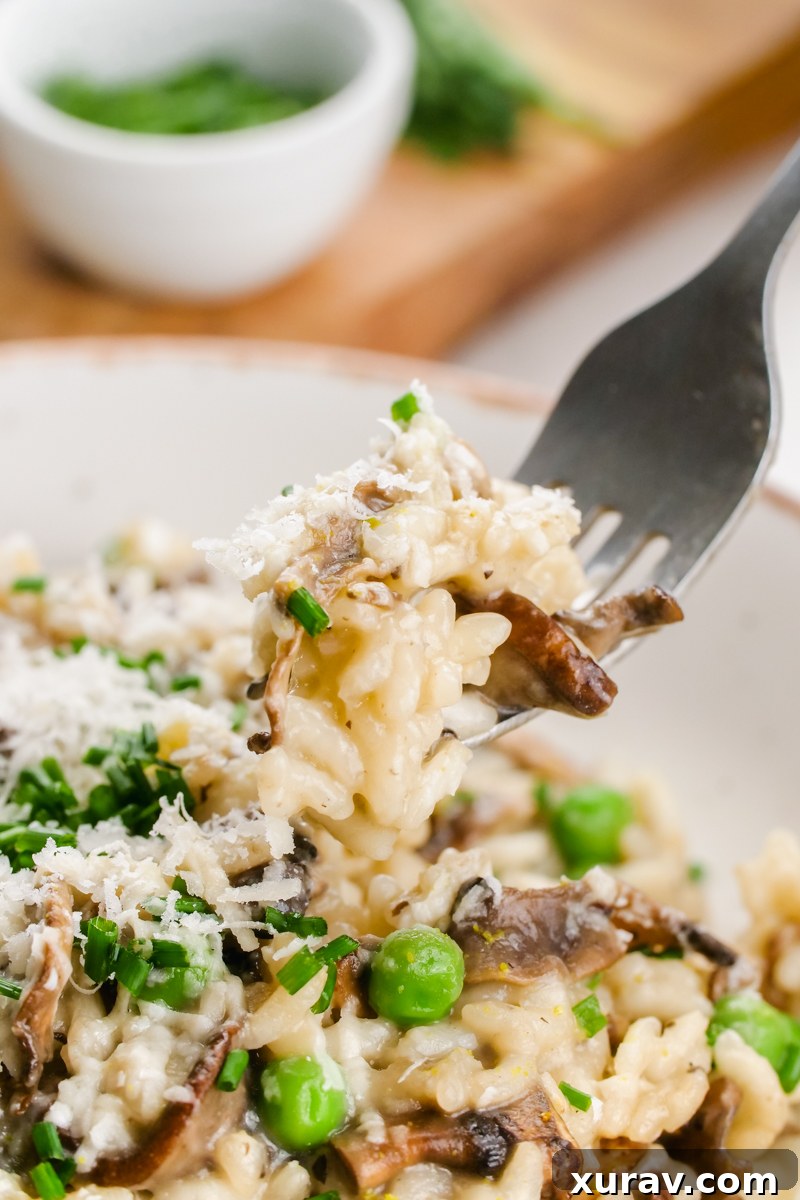
Knowing When Your Risotto is Perfect: The Al Dente Test
The hallmark of a perfectly cooked risotto is its “al dente” texture. This Italian phrase translates to “firm to the bite,” meaning the rice should be tender but still have a slight, pleasant chewiness in the center. It should absolutely not be mushy or overly soft.
So, how do you know when it’s just right? The best way is to taste it! Approximately 20-25 minutes into the broth addition, start regularly sampling a grain of rice. Let it cool slightly, then test its texture. If it’s still too firm, continue adding broth and stirring. When it reaches that delightful al dente stage, it’s done.
Another classic method is the “squeeze test”:
- Carefully take a grain of cooked rice from the pan and let it cool.
- Gently squeeze the grain between your thumb and forefinger.
- If the grain breaks cleanly in the middle, revealing a tiny, firm white dot in the center, it’s cooked perfectly al dente.
Once the rice is cooked to perfection, immediately proceed with the mantecatura (stirring in butter, Parmesan, pre-cooked mushrooms, and herbs). Risotto waits for no one; it’s best enjoyed fresh from the pan.
Serving & Pairing Your Mushroom Risotto
Mushroom Risotto is wonderfully versatile, capable of starring as the main event or playing a sophisticated supporting role on your dinner table.
Mushroom Risotto as a Main Course
If you choose to highlight your mushroom risotto as the centerpiece of your meal, consider pairing it with fresh, vibrant side dishes to balance its richness. Excellent options include:
- Crisp Garlic Green Beans
- A light and refreshing Cucumber Tomato Salad
- A simple mixed green salad with a zesty vinaigrette
These lighter accompaniments provide a refreshing contrast to the creamy risotto, creating a well-rounded and satisfying meal.
As a Delectable Side Dish
Mushroom risotto also shines as an elevated side dish alongside heartier proteins. It pairs beautifully with:
- A succulent Roast Chicken Recipe, perhaps with an Italian Garden Salad
- Effortlessly prepared Sheet Pan Parmesan Chicken and Vegetables
- Pan-seared scallops or grilled fish
- Beef tenderloin or other roasted meats
The earthy flavors of the mushrooms and the creamy texture of the rice complement a wide array of main courses, adding a touch of gourmet sophistication to any dinner.
Wine Pairings and Finishing Herbs
To further enhance your dining experience, consider pairing your mushroom risotto with a complementary wine. A dry white wine like Pinot Grigio, Chardonnay (unoaked), or Sauvignon Blanc works wonderfully, echoing the wine used in the cooking process. For red wine lovers, a light-bodied Pinot Noir or a dry Lambrusco can also be surprisingly delightful.
A final sprinkle of fresh parsley or chives before serving not only adds a burst of color but also a fresh, herbaceous note that brightens the entire dish.
Storing and Reheating Leftover Risotto
While risotto is best enjoyed immediately after cooking, you can certainly save leftovers. Proper reheating is key to salvaging its creamy texture, as risotto tends to thicken significantly in the refrigerator.
The secret to successful reheating is to always add extra liquid. Without it, your risotto will be dry and potentially mushy. You’ll need some additional warm chicken or vegetable broth (or even water).
Reheating Methods: Stove-top vs. Microwave
Microwave Instructions:
- Place the desired portion of leftover risotto in a microwave-safe bowl.
- Add a splash (about 1/4 to 1/2 cup, depending on the amount of risotto) of warm broth or water.
- Microwave on medium power for 1 minute.
- Stir well, adding more liquid if necessary, and continue to heat in 30-second intervals, stirring in between, until heated through and creamy again. Be careful not to overcook.
Stovetop Instructions (Recommended for Best Results):
- Transfer the leftover risotto to a saucepan.
- Add a generous splash of warm broth or water (start with about 1/2 cup per serving).
- Heat over medium-low heat, stirring constantly, until the risotto is warmed through and has regained its creamy consistency. This method allows for better control over the texture. Do not boil.
Always taste and adjust seasonings after reheating, as flavors can mellow in the refrigerator. A fresh sprinkle of Parmesan cheese and chives can also revive the dish.
Beyond the Basics: Exploring Risotto Variations
Once you’ve mastered this classic Mushroom Risotto, you’ll find the technique opens up a world of culinary creativity. Risotto can be adapted to countless flavor combinations, allowing you to utilize seasonal ingredients and personal preferences. Some popular variations include:
- Lemon Risotto: Bright and zesty, often paired with shrimp or asparagus. (Baked Shrimp Pea and Lemon Risotto)
- Asparagus Risotto: A springtime favorite, delicate and fresh.
- Saffron Risotto (Risotto alla Milanese): A classic, rich with the golden hue and exotic aroma of saffron.
- Butternut Squash Risotto: Sweet and savory, perfect for autumn.
- Seafood Risotto: Featuring shrimp, scallops, mussels, or a medley of seafood.
Don’t be afraid to experiment! The fundamental technique remains the same, providing a solid base for all your risotto adventures. If you enjoy rice-inspired dishes, you might also love:
- Broccoli Chicken Rice Casserole
- Mushroom Rice Pilaf
- Wild Rice and Chicken
Mushroom Risotto is truly a dish that offers both comfort and a touch of gourmet flair. With these tips and techniques, you’re now ready to create this crave-worthy meal in your own home. Enjoy the process, and savor every creamy, flavorful bite!
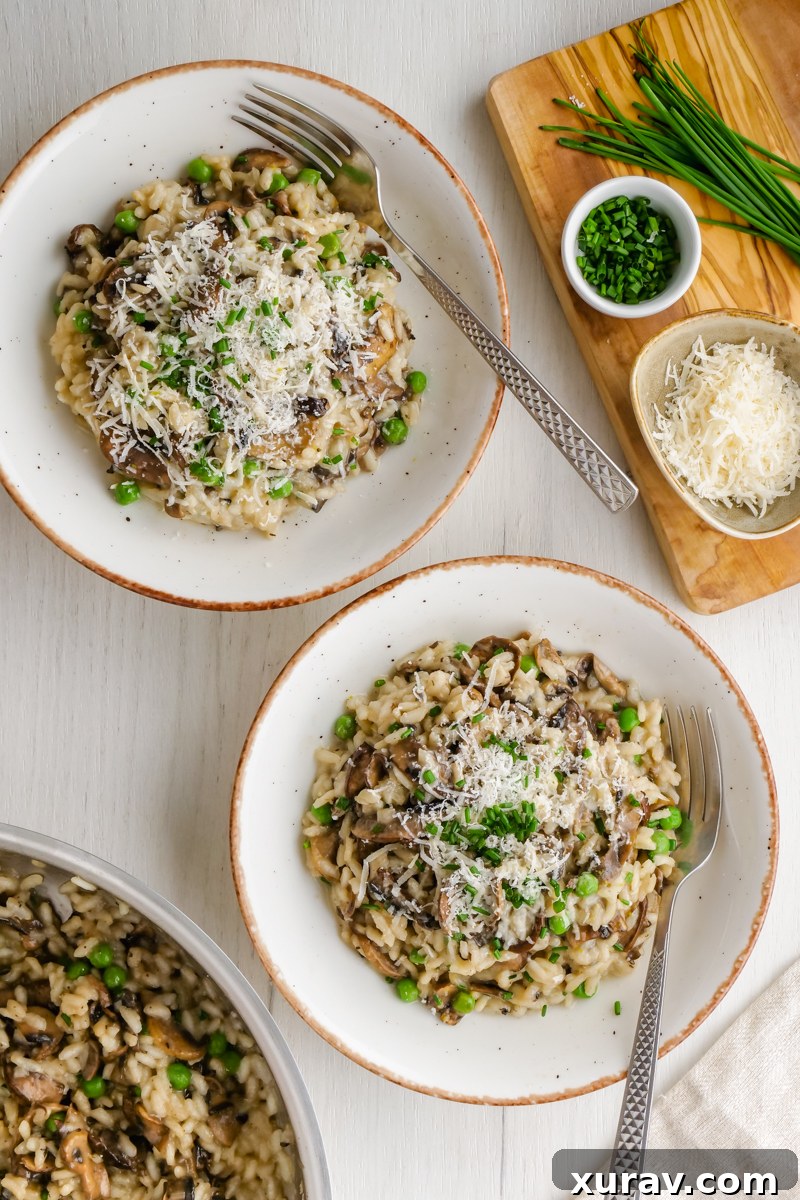
Pin this Recipe for Later:
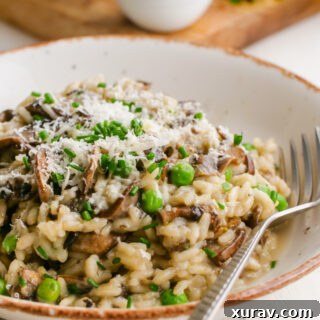
Mushroom Risotto
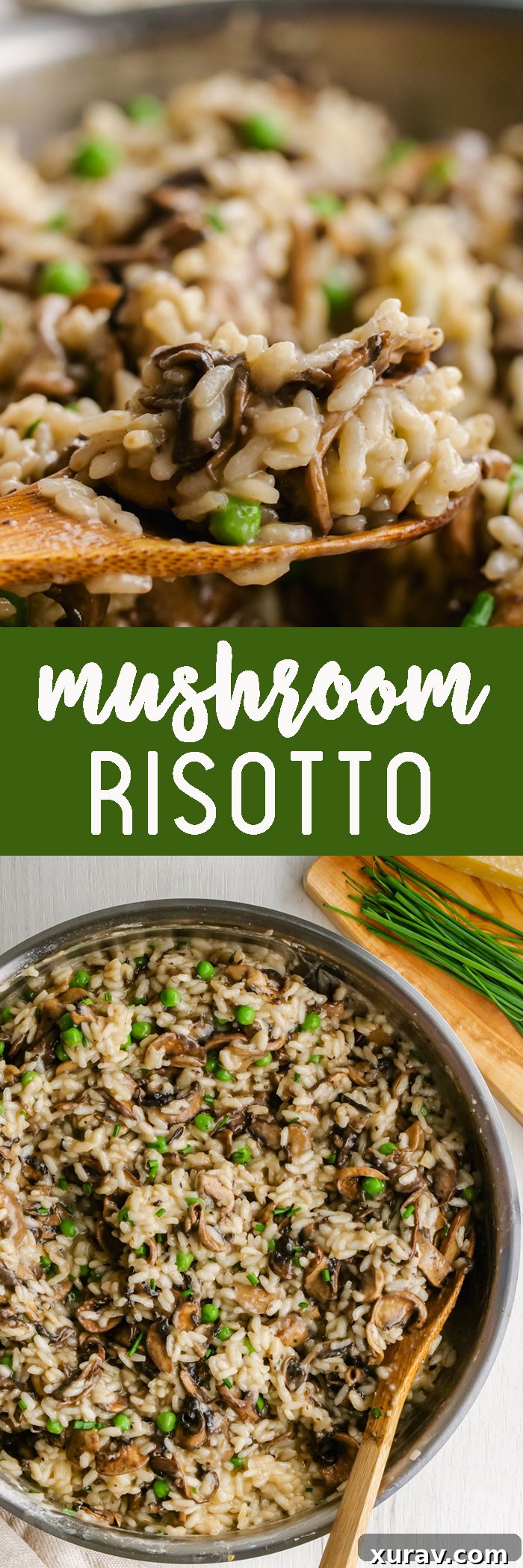
A creamy risotto studded with flavorful mushrooms. This is the ultimate risotto and so easy to make.
Print Recipe |
Pin Recipe
Course: American, Side, Side Dish, Sides
Cuisine: American, French
Keyword: mushroom risotto, risotto
Prep Time: 10 minutes
Cook Time: 1 hour
Total Time: 1 hour 10 minutes
Servings: 4
Calories: 605.28 kcal
Ingredients
- 6 cups chicken broth, divided
- 2 tablespoons olive oil
- 1 Tablespoon butter
- 1 pound portobello mushrooms, thinly sliced
- 1 pound white mushrooms, thinly sliced
- 1 sprig fresh rosemary
- 1 sprig fresh thyme
- 2 shallots, diced
- 1 1/2 cups Arborio rice
- 1/2 cup white cooking wine (dry)
- Sea salt, to taste
- Freshly ground black pepper, to taste
- 3 tablespoons chives, finely chopped
- 4 tablespoons butter
- ½ cup petite peas
- 1/3 cup Parmesan cheese, freshly grated
Instructions
- Heat 5 cups of broth in a medium-sized saucepan over low heat and keep it warm. Keep the remaining 1 cup of broth warm in case more is needed.
- In a large saucepan or skillet, heat 2 tablespoons of olive oil over medium-high heat. Add the sliced mushrooms, fresh thyme, and rosemary. Cook until the mushrooms are soft and tender, about 3-5 minutes. Season with salt and pepper, then set aside. Remove and discard the rosemary and thyme sprigs. Reserve any liquid released by the mushrooms with them.
- In a separate large skillet or heavy-bottomed pot, melt 1 tablespoon of butter over medium-high heat. Add the diced shallots and cook for 1 minute until fragrant.
- Add the Arborio rice to the skillet with the shallots, stirring constantly to coat the rice grains with butter. Cook for about 2 minutes until the rice begins to turn translucent at the edges and is lightly golden.
- Pour in the white cooking wine. Stir constantly until the wine is completely absorbed by the rice.
- Once the wine is absorbed, begin adding the warm broth to the rice, ½ cup at a time. Stir continuously until the broth is almost fully absorbed by the rice before adding the next ½ cup.
- Continue this process of adding broth and stirring. This gradual addition and constant stirring helps the rice release its starches, creating a creamy texture. This step typically takes about 25-35 minutes to achieve an al dente, creamy, but not mushy risotto. Adjust the heat as needed; if it’s too low, absorption will be slow, too high, and the rice may stick.
- Once all the broth has been added, or the risotto has reached your desired creamy consistency and the rice is al dente, remove the skillet from the heat. (You may not need all 6 cups of broth).
- Stir in the cooked mushrooms (with their reserved liquid), the remaining 4 tablespoons of butter, finely chopped chives, petite peas, and freshly grated Parmesan cheese. Stir vigorously until everything is well combined and the risotto is lusciously creamy.
- Taste and adjust the seasoning with additional salt and freshly ground black pepper as desired. Serve immediately.
Nutrition Information
Calories: 605.28 kcal | Carbohydrates: 74.9 g | Protein: 16.82 g | Fat: 25.37 g | Saturated Fat: 11.67 g | Cholesterol: 43.29 mg | Sodium: 1569.37 mg | Potassium: 1219.65 mg | Fiber: 6.04 g | Sugar: 7.5 g | Vitamin A: 739.01 IU | Vitamin C: 37.02 mg | Calcium: 141.84 mg | Iron: 5.36 mg
Our recipe card software calculates these nutrition facts based on averages for the above ingredients. Different brands and quality of produce/meats may have varying nutritional information. Always calculate your own based on the specific products you use to achieve accurate macros for this recipe.
Tried this recipe? Mention @ezpzmealz or tag #ezpzmealz!
 Want to use this recipe in a meal plan? Try PrePear, my FREE Meal Planning App that allows you to save your recipes, plan meals, shop for groceries, and cook simply in one place. Join Here!