Mastering Homemade Freezer Corn: A Comprehensive Guide to Preserving Sweetness Year-Round
There’s nothing quite like the taste of fresh, sweet corn picked straight from the field or farmers’ market. Its vibrant flavor signals the peak of summer, a culinary delight many wish could last beyond the season. While enjoying fresh corn on the cob is a quintessential summer experience, the good news is that you can capture that deliciousness and enjoy it all year long! Freezing fresh corn is a simple, incredibly rewarding process that allows you to savor the taste of summer even in the depths of winter. This guide will walk you through everything you need to know to create your own homemade freezer corn, making it a staple in your family’s food storage.
Why Make Your Own Freezer Corn? Unlocking Flavor and Savings
While grocery store freezers are stocked with bags of frozen corn, there are compelling reasons to take the DIY approach. Making your own freezer corn offers superior taste, allows for control over ingredients, and can be a significant money-saver, especially if you buy corn in season or from a local farm.
- Unmatched Freshness and Flavor: Store-bought frozen corn, while convenient, often pales in comparison to the vibrant, sweet flavor of corn you’ve frozen yourself from freshly harvested ears. When you process corn quickly after picking, you lock in its peak sweetness and crisp texture.
- Control Over Quality: You choose the best, freshest ears of corn, free from blemishes or unwanted additives. You know exactly what goes into your freezer bags – just pure corn!
- Cost-Effective Food Storage: During peak season, fresh corn can be incredibly inexpensive, especially if purchased in bulk. Freezing it yourself is a fantastic way to stock up on a healthy vegetable without breaking the bank. It’s a smart addition to any comprehensive food storage plan, alongside staples like rice, beans, and flour.
- Preserves Nutritional Value: Blanching and rapidly freezing corn helps to retain its vital nutrients, making it a healthy choice for year-round consumption.
- Versatility: Homemade freezer corn is incredibly versatile, ready to be added to soups, stews, casseroles, or simply enjoyed as a quick and easy side dish.
Essential Equipment for Freezing Corn
Before you begin your corn-freezing adventure, gather these basic tools to ensure a smooth and efficient process:
- Large stockpot (for blanching)
- Large bowl (for ice bath)
- Slotted spoon or tongs
- Sharp chef’s knife or electric knife
- Large cutting board
- Freezer-safe bags or containers (various sizes for portioning)
- Permanent marker for labeling
- Optional: Specialized corn stripper tool for easier kernel removal
Step-by-Step Guide to Freezing Fresh Corn
The process of freezing corn is straightforward, involving a few key steps that ensure optimal flavor, texture, and longevity. Let’s dive in!
Step 1: Selecting and Shucking Your Corn
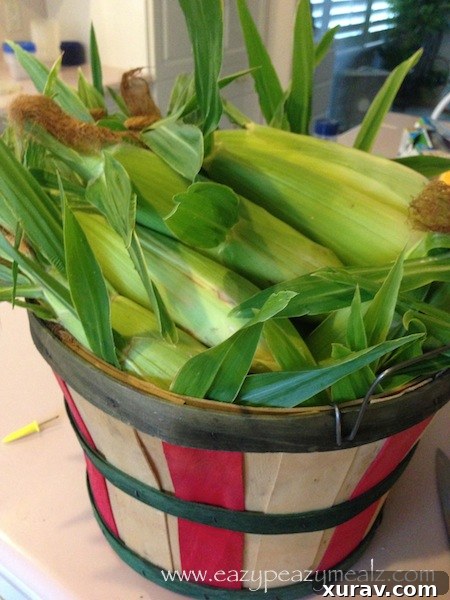
The journey to perfect freezer corn begins with selecting the best ears. Look for corn with bright green husks that are tightly wrapped, and silks that are slightly damp and golden-brown. Avoid corn with dry, black, or moldy silks, or husks that are yellowing or loose.
Once you have your fresh corn, it’s time to shuck. This involves removing the outer husks and, most importantly, the pesky silks. Peel back the green husks, pulling them down towards the base of the cob. Break them off cleanly. Now, focus on the silks. The best way to remove stubborn silks is to use a stiff brush or a damp paper towel to wipe them away. You can also use a kitchen towel to rub down the cob after removing the bulk of the silks. Ensure as many silks as possible are removed, as you don’t want them in your final frozen product. A clean cob means a more enjoyable eating experience later!
Step 2: Blanching for Peak Freshness and Preservation
Blanching is a critical step in freezing corn, and indeed, most vegetables. It involves briefly boiling or steaming the corn, then rapidly cooling it. This process achieves several important things:
- Deactivates Enzymes: Fresh vegetables contain enzymes that, even at freezing temperatures, can cause changes in color, flavor, and texture over time. Blanching stops these enzymes from acting, preserving the corn’s quality.
- Cleanses and Brightens: It helps clean the corn and brightens its natural color.
- Reduces Microbial Load: It helps reduce the number of microorganisms on the surface of the corn.
Blanching in Boiling Water:
Bring a large pot of water to a rolling boil. While the water heats, prepare your ice bath (more on that in the next step). Once the water is vigorously boiling, carefully place the shucked corn cobs into the pot. Do not overcrowd the pot; work in batches if necessary to ensure the water quickly returns to a boil. Allow the corn to boil until the kernels turn a bright, vibrant yellow. The exact time will depend on the size of your cobs and the quantity of corn, but typically, this takes about 6-8 minutes once the water returns to a boil. You want it cooked just enough to deactivate the enzymes, but not fully cooked through to prevent mushiness after freezing and thawing.
Alternative: Steaming Blanching
For an even gentler blanching method, you can steam your corn. Place a steamer basket in a large pot with an inch or two of water at the bottom. Bring the water to a boil, then place the corn cobs in the basket, ensuring they don’t touch the water. Cover the pot and steam for about 8-10 minutes for medium ears. Steaming can result in slightly less nutrient loss compared to boiling and often yields a firmer texture.
Step 3: Rapid Cooling – The Essential Ice Bath
Immediately after blanching, the corn needs to be plunged into an ice bath. This step is as crucial as blanching itself. The cold water instantly stops the cooking process, preventing the corn from becoming mushy or overcooked. If you skip this step, the residual heat will continue to cook the corn, degrading its texture and flavor.
To prepare an ice bath, fill a large bowl or clean sink with a generous amount of ice and cold water. Using tongs or a slotted spoon, carefully transfer the blanched corn directly from the hot water (or steamer) into the ice bath. Make sure the corn is fully submerged. Allow the corn to cool completely – this usually takes about the same amount of time as the blanching process (6-8 minutes). Once cooled, the cobs should feel cold to the touch. Drain the corn thoroughly, gently patting the cobs dry with a clean kitchen towel to remove excess moisture.
Step 4: Cutting the Kernels from the Cob
With the corn blanched and cooled, it’s time to remove those sweet kernels from the cob. This can be done in a few ways, depending on your preference and the tools you have available:
- Using a Sharp Chef’s Knife: This is the most common method. Stand the cob upright on its flat end on a sturdy cutting board. Hold the top of the cob firmly. Using a sharp chef’s knife, carefully slice downwards, cutting the kernels off the cob in strips. Try to cut just deep enough to remove the kernels without taking too much of the tough cob. A good tip is to place the cob in the center of a bundt pan or a large bowl turned upside down. The hole in the bundt pan will stabilize the cob, and the bowl will catch all the kernels as they fall, preventing them from scattering across your counter.
- Electric Knife: As mentioned in the original content, an electric knife can make this task incredibly fast, especially if you’re processing a large quantity (like 10 dozen ears!). The vibrating blade makes quick work of separating the kernels. Use it with the same upright technique as a chef’s knife.
- Specialized Corn Strippers: There are various handheld tools designed specifically for removing corn kernels. These can be very effective and simplify the process, often designed to hug the cob’s contour for maximum kernel removal with minimal effort. While not strictly necessary, they can be a great investment if you plan on freezing corn regularly.
Regardless of the method, work carefully and steadily. Once all the kernels are removed, discard the bare cobs.
Step 5: Packaging and Freezing for Long-Term Storage
Proper packaging is key to preventing freezer burn and maintaining the quality of your homemade freezer corn. The goal is to remove as much air as possible from around the corn.
- Freezer Bags: These are a popular choice due to their flexibility and ease of air removal. Portion the corn into desired amounts (e.g., 1-2 cup servings). Press out as much air as you can before sealing. For best results, lay the bags flat on a baking sheet to freeze. Once solid, you can stack them to save space.
- Rigid Freezer Containers: Plastic freezer containers or glass jars (make sure they are freezer-safe and leave headspace for expansion) are also excellent options, especially if you prefer to avoid plastic. Pack the corn tightly, leaving about half an inch of headspace if using rigid containers to allow for expansion during freezing.
- Vacuum Sealing: For the ultimate protection against freezer burn and the longest shelf life, a vacuum sealer is an excellent investment. It removes nearly all air, creating an airtight seal that locks in freshness.
Don’t forget to label! Using a permanent marker, clearly write the contents (“Freezer Corn”) and the date it was frozen on each package. This ensures you use the oldest corn first and avoid any mystery packages in your freezer.
Once packaged and labeled, transfer your corn to the freezer. For optimal freezing, place packages in a single layer until solid, then they can be stacked or stored more compactly.
Maximizing Shelf Life and Enjoyment
Properly blanched and packaged homemade freezer corn can last beautifully in the freezer for 6 to 12 months. While it will remain safe to eat beyond this, its quality (flavor and texture) may gradually decline.
When you’re ready to use your frozen corn, there’s generally no need to thaw it first, especially if adding it to a cooked dish like soup or a casserole. You can simply add it directly from the freezer, increasing cooking time slightly to account for the frozen addition. For dishes where you want to maintain a distinct texture, like a salad, you might prefer to thaw it in the refrigerator overnight or by running cold water over the sealed package.
Delicious Ways to Use Your Homemade Freezer Corn
The versatility of homemade freezer corn is truly a gift. It’s a convenient ingredient that can elevate countless meals:
- Soups and Stews: A classic addition to chili, chowders, vegetable soup, or a hearty chicken tortilla soup. I recently added my fresh freezer corn to my Crockpot Chicken Tortilla Soup, and it was absolutely perfect, adding a burst of sweet, summery flavor.
- Salsas and Dips: Thaw and mix with red onion, cilantro, lime juice, and peppers for a fresh corn salsa.
- Casseroles: Stir into cheesy corn casseroles, chicken pot pie fillings, or shepherd’s pie.
- Side Dishes: Sauté with butter, herbs, and a pinch of salt and pepper for a simple, quick side. Add a little cream and cheese for a decadent creamed corn.
- Salads: Thaw and add to grain bowls, pasta salads, or green salads for extra texture and sweetness.
- Tacos and Burritos: A great filling or topping for your favorite Mexican-inspired dishes.
A Sweet Addition to Your Food Storage Strategy
Preparing homemade freezer corn is more than just a seasonal activity; it’s a smart strategy for enhancing your family’s food storage. While many immediately think of dry goods like rice and beans when considering food storage, don’t overlook the power of frozen and canned foods. Having a freezer full of delicious, healthy, and convenient ingredients like your own fresh corn can make meal planning easier, reduce grocery bills, and provide peace of mind.
Embrace the bounty of summer and take the time to freeze some fresh corn. You’ll be thanking yourself during those colder months when you can pull out a bag of sweet, sunshine-filled kernels and taste the essence of summer all over again!