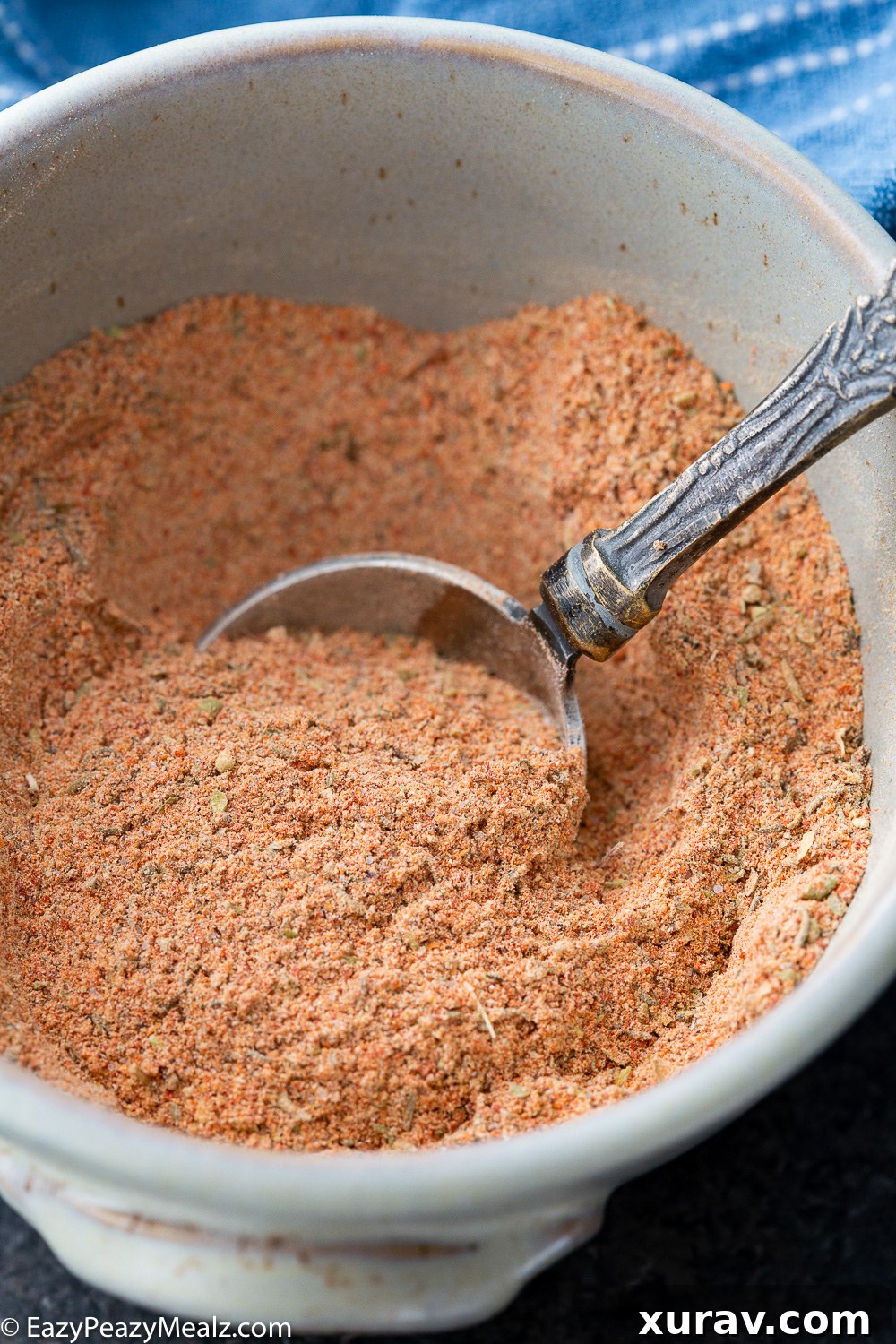
Homemade Cajun Seasoning: Crafting the Perfect Blend of Zest, Spice, and Authentic Flavor
There’s a vibrant energy that Cajun seasoning brings to the kitchen, transforming everyday meals into extraordinary culinary experiences. With its bold, zesty, and subtly smoky profile, it’s far more than just a spice mix; it’s a passport to the rich, soulful cuisine of Louisiana. From sizzling grilled chicken and succulent shrimp to hearty roasted vegetables and comforting stews, a good Cajun blend is an indispensable pantry staple. While convenient store-bought options are readily available, there’s an undeniable satisfaction and superior flavor that comes from crafting your own. Just like mastering homemade ranch dressing or a versatile taco seasoning, making Cajun seasoning yourself offers unparalleled control over the heat, salt content, and overall flavor intensity. Dive in with us as we explore how to create a custom Cajun seasoning blend that will become your new kitchen essential!
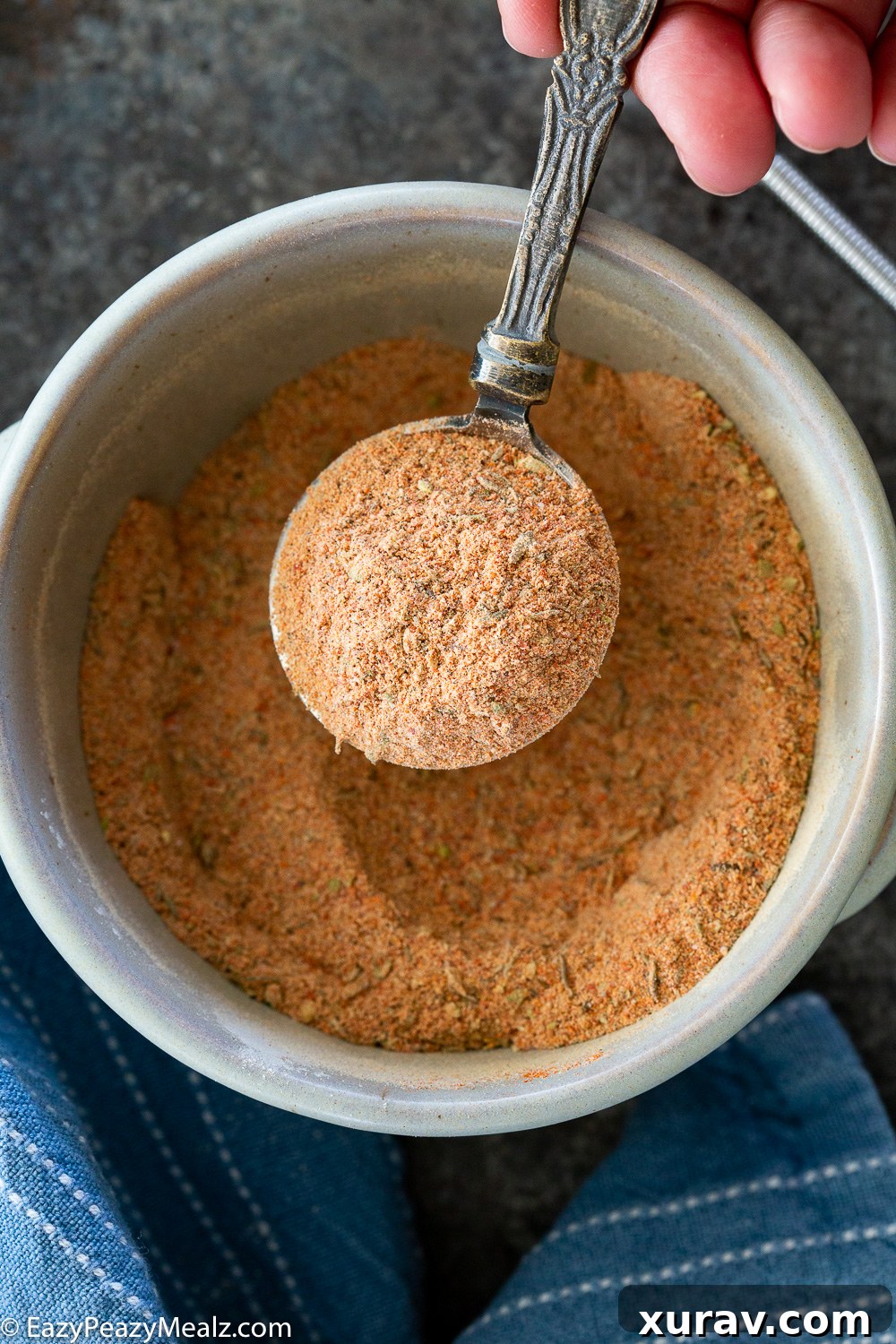
The Undeniable Advantages of Crafting Your Own Cajun Seasoning
The decision to make your own spice blends might seem like an extra step, but the rewards are profound. Here’s why homemade Cajun seasoning consistently triumphs over its store-bought counterparts:
- Unmatched Customizable Flavor: This is perhaps the most significant benefit. Commercial blends often cater to a broad palate, meaning you might find them too salty, too mild, or lacking in a particular nuanced flavor. By making your own, you become the master chef of your spice cabinet. Do you crave more heat? Amp up the cayenne. Prefer a deeper smoky note? Increase the smoked paprika. Concerned about sodium? You can significantly reduce or even eliminate salt, adding it directly to your dishes as needed. This level of personalization ensures your seasoning perfectly complements your taste and dietary preferences.
- Guaranteed Fresh Ingredients: The vibrancy and potency of spices diminish over time. Store-bought blends often sit on shelves for months, sometimes even years, before reaching your pantry. When you blend your own, you’re starting with fresh, high-quality spices from your current stock. This means brighter colors, more intense aromas, and a far more potent flavor impact in every dish. Fresh spices make a world of difference in the final taste of your food.
- Freedom from Unwanted Additives: Many pre-packaged seasoning mixes contain anti-caking agents, preservatives, excessive fillers, and sometimes even artificial colors or flavor enhancers. These additives are often unnecessary and can dilute the natural taste of the spices. By creating your blend at home, you maintain complete control over what goes into your food, ensuring a pure, wholesome, and natural product.
- Economical and Budget-Friendly: While buying individual spices might seem like an initial investment, a well-stocked spice rack is a cook’s best friend. Many of the ingredients for Cajun seasoning, such as paprika, garlic powder, onion powder, and black pepper, are likely already staples in your pantry. Using these existing supplies means that making your own blend is often far more cost-effective in the long run than repeatedly purchasing pre-mixed jars. You get more seasoning for less money, and often of higher quality.
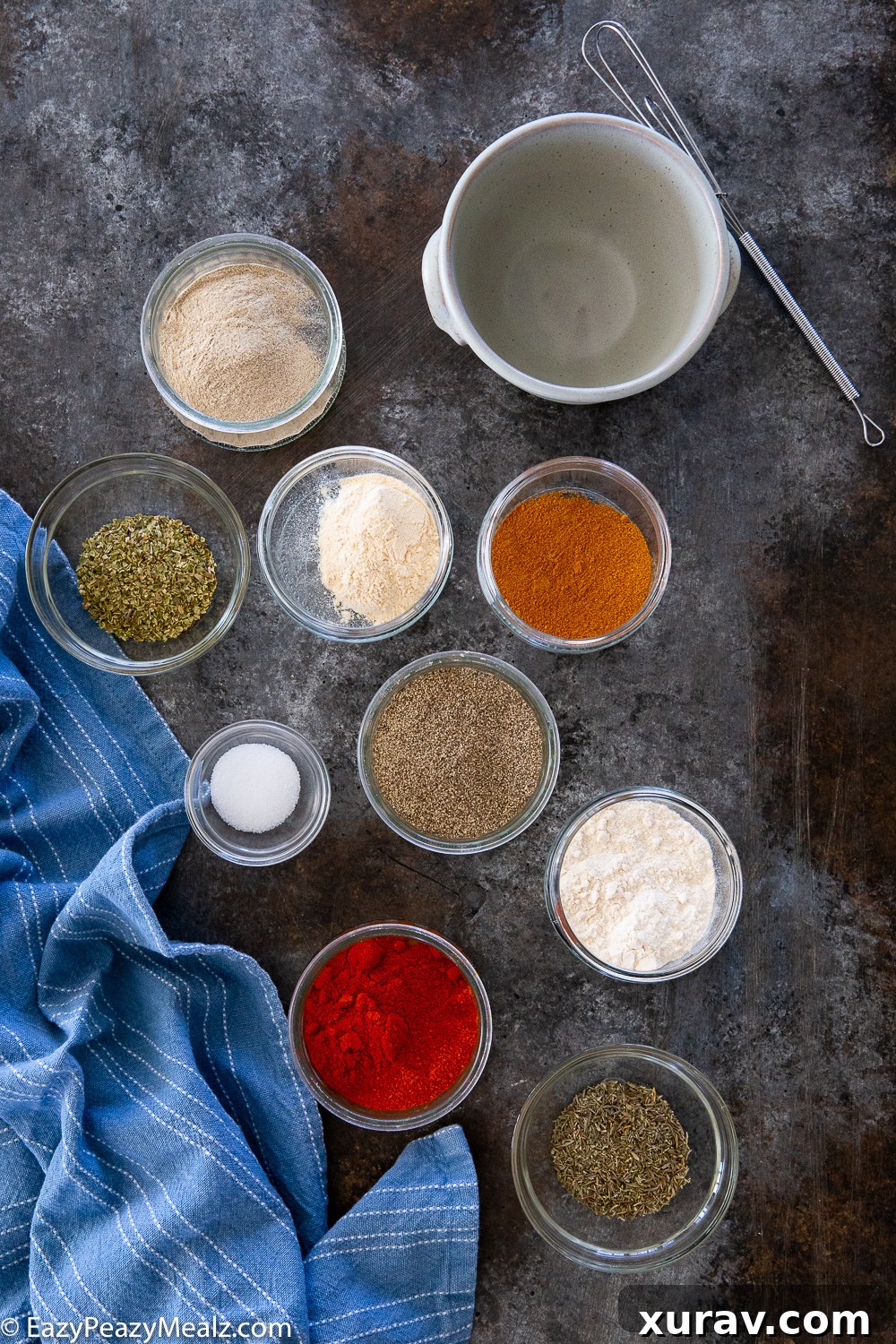
Essential Ingredients for an Authentic Cajun Seasoning Blend
A classic Cajun seasoning blend relies on a harmonious combination of common spices, each playing a crucial role in building its signature robust flavor. Here’s a breakdown of what you’ll need and why each ingredient is important:
- 2 tablespoons Smoked Paprika: This is a cornerstone ingredient, providing not just vibrant color but also a deep, smoky undertone that is characteristic of many Cajun dishes. If you prefer a less smoky profile, you can substitute with regular sweet paprika. For an even more intense smokiness, consider using a hot smoked paprika.
- 1 tablespoon Garlic Powder: A fundamental flavor in almost all savory cooking, garlic powder offers a concentrated, pungent garlic taste without the moisture or texture of fresh garlic. It blends seamlessly into the dry mix, ensuring even distribution.
- 1 tablespoon Onion Powder: Complementing the garlic, onion powder adds a foundational layer of savory, aromatic sweetness. It’s essential for creating a well-rounded flavor profile.
- 1 tablespoon Dried Oregano: This herb contributes a slightly bitter, peppery, and earthy note that is classic in Mediterranean and Creole/Cajun cooking. It adds complexity and depth.
- 1 tablespoon Dried Thyme: Thyme brings a subtle minty, earthy, and slightly floral flavor. It’s another herb that is deeply embedded in the culinary traditions of the South and pairs beautifully with the other spices.
- 1/2-1 tablespoon Cayenne Pepper: This is where the signature Cajun heat comes from. Start with 1/2 tablespoon for a moderate kick and increase to a full tablespoon (or more!) if you love extra spice. Remember, you can always add more heat to your individual dishes, so it’s often best to start conservative.
- 1 tablespoon Black Pepper: Freshly ground black pepper adds a sharp, pungent, and woody warmth that is distinct from the heat of cayenne. It’s a universal enhancer for savory dishes.
- 1 tablespoon White Pepper: Often overlooked, white pepper offers a milder, earthier heat than black pepper, with a slightly different aromatic quality. It’s a traditional addition in many Cajun and Creole recipes, contributing to the depth of spice without being overtly aggressive.
- 1 teaspoon Salt (Optional, or Adjust to Taste): Salt is crucial for enhancing and balancing all the other flavors. However, because its inclusion makes the blend less versatile for salt-sensitive dishes or diets, it’s listed as optional. Many prefer to make their blend salt-free and season dishes with salt individually to avoid over-salting. If you do include it, regular table salt or fine sea salt works best.
Simple Steps to Create Your Signature Cajun Seasoning Blend
Making your own Cajun seasoning is incredibly straightforward and takes just a few minutes. Follow these simple steps for a perfect blend every time:
- Gather and Measure Your Spices: Begin by laying out all your chosen spices. Using accurate measuring spoons, carefully measure each ingredient into a small, clean mixing bowl. Accuracy here ensures a balanced flavor profile. If you have whole spices (like peppercorns or dried oregano leaves), you might want to lightly toast them in a dry pan for a minute or two to release their aromatic oils, then grind them using a spice grinder or mortar and pestle before adding them to the bowl. This extra step can significantly enhance the depth of flavor.
- Thoroughly Mix the Ingredients: Once all the spices are in the bowl, use a whisk or a fork to combine them thoroughly. It’s crucial to mix until the blend is uniform in color and texture, ensuring that every spoonful of your seasoning delivers a consistent burst of flavor. Spend a minute or two whisking to break up any clumps and distribute the finer powders evenly.
- Store for Lasting Freshness: Transfer your freshly mixed Cajun seasoning blend into an airtight container or a clean spice jar. Glass jars with tight-fitting lids are ideal, as they help preserve the aroma and potency of the spices. Label the container with the name of the blend and the date it was made. Store your homemade seasoning in a cool, dark place, away from direct sunlight and heat, such as a pantry or a cabinet. Properly stored, your Cajun seasoning will retain its peak flavor for up to 6 months, though it can still be used effectively for up to a year.
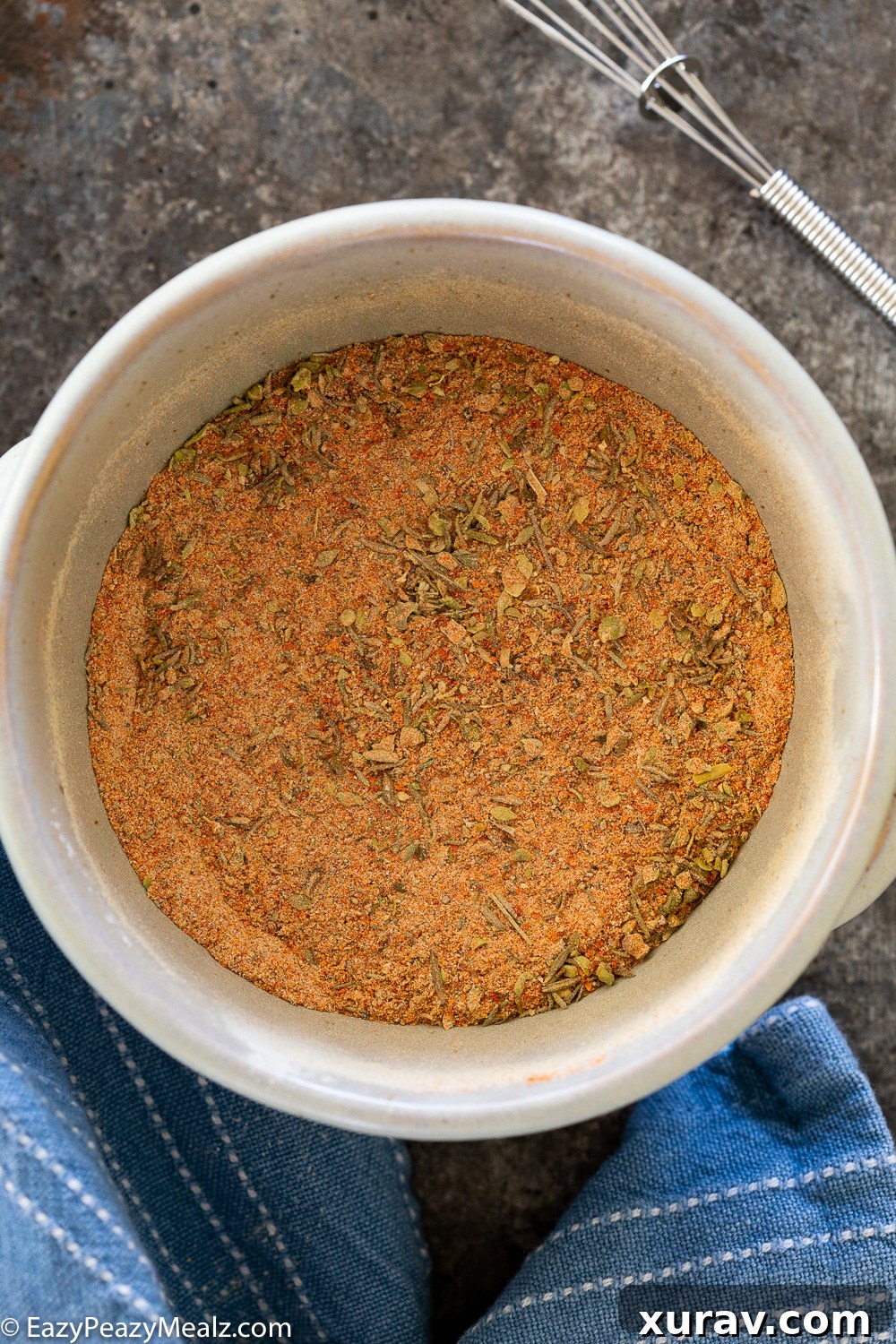
Expert Tips for Perfecting Your Cajun Seasoning
While the basic recipe is fantastic, a few insider tips can help you elevate your homemade Cajun seasoning to truly legendary status:
- Experiment with Heat Levels: The cayenne pepper is your primary source of heat. If you’re sensitive to spice, begin with just half a tablespoon or even less, and taste a tiny pinch (carefully!) before adding more. For those who crave an inferno, don’t hesitate to add more cayenne or even a pinch of dried crushed red pepper flakes for an extra fiery kick. You can also introduce other chili powders like ancho for a more complex, less aggressive heat.
- Consider a Salt-Free Option: As mentioned, skipping the salt in the blend makes it incredibly versatile. This allows you to liberally season meats or vegetables with the Cajun mix without worrying about over-salting before cooking. You can then add salt to your dish during or after cooking, adjusting to your exact preference and dietary needs. This is particularly beneficial for those managing sodium intake.
- Embrace the Smoky Twist: Smoked paprika truly defines a rich Cajun flavor profile. However, if you’re not a fan of smoky notes or simply don’t have it on hand, regular sweet paprika works perfectly well for a more classic, less smoke-forward taste. For an even deeper, more complex smokiness, a tiny pinch of chipotle powder can be a game-changer, adding both heat and a unique smoked jalapeño flavor.
- Utilize Fresh Herbs (When Possible): While dried herbs are convenient and effective for a dry rub, fresh oregano and thyme offer a brighter, more vibrant flavor. If you have access to fresh herbs, you can dry them yourself in a low oven or a dehydrator, then crush them for your blend. Alternatively, you can use fresh herbs directly in dishes and then sprinkle the dry Cajun seasoning for layered flavor. Remember that dried herbs are more concentrated than fresh, so adjust quantities accordingly.
- Grind for Maximum Potency: For the freshest, most aromatic blend, consider starting with whole spices whenever possible. Whole peppercorns, dried oregano leaves, and thyme leaves can be lightly toasted in a dry pan for a minute or two until fragrant. Let them cool, then grind them to a fine powder using a spice grinder or a mortar and pestle. This releases their essential oils, resulting in a significantly more potent and fragrant seasoning.
- Batch Size Matters: While it’s tempting to make a huge batch, spices are best when fresh. Make enough to last you 3-6 months. This ensures you’re always cooking with a vibrant, flavorful blend. You can easily double or triple the recipe if you know you’ll be using it frequently or gifting it.
Unleashing the Versatility: How to Use Your Cajun Seasoning
The beauty of homemade Cajun seasoning lies in its incredible versatility. Once you have a batch ready, you’ll find countless ways to infuse your cooking with its robust flavors. Here are just a few ideas:
- Proteins: This blend is absolutely stellar as a rub for virtually any protein. Rub it generously onto chicken breasts, thighs, or wings before grilling, roasting, pan-frying, or air frying. It works wonders on fish fillets (like salmon, cod, or tilapia) and shrimp, bringing them to life with a spicy kick. For steak or pork chops, it creates a delicious crust that seals in juices and adds an incredible depth of flavor. Try it on pork tenderloin for a weeknight dinner that feels gourmet.
- Vegetables: Elevate your vegetable side dishes from mundane to magnificent. Toss roasted or grilled veggies like bell peppers, onions, zucchini, corn, potatoes, or asparagus with a generous sprinkle of Cajun seasoning and a drizzle of olive oil before cooking. It caramelizes beautifully and adds a vibrant punch of flavor that even picky eaters will love. It’s also fantastic on green beans or sweet potatoes.
- Soups, Stews, and Gumbos: Cajun seasoning is a natural fit for hearty, comforting liquid dishes. Stir it into classic Cajun and Creole recipes like gumbo, jambalaya, étouffée, or red beans and rice for an authentic flavor base. Even non-Cajun soups and stews, like lentil soup or a hearty chili, can benefit from a touch of this blend for an extra layer of warmth and spice.
- Savory Snacks: Transform your favorite snacks into spicy, addictive treats. Sprinkle it over freshly popped popcorn for movie night, toss it with homemade or frozen fries (sweet potato or regular) for a zesty twist, or mix it with roasted nuts or seeds for a flavorful, healthy snack. It’s also excellent on homemade pita chips or tortilla chips.
- Rice and Pasta Dishes: Infuse your grain and pasta dishes with a vibrant Cajun character. Add it to plain white or brown rice as it cooks, or stir it into a creamy pasta sauce for a Cajun-inspired Alfredo or a spicy tomato sauce. It pairs exceptionally well with creamy risotto or even a simple mac and cheese for an unexpected kick.
- Eggs and Breakfast: Don’t limit Cajun seasoning to dinner! A pinch in scrambled eggs, omelets, or breakfast potatoes adds a fantastic savory and spicy dimension to your morning meal. It’s also great on avocado toast.
- Dips and Dressings: Stir a little Cajun seasoning into mayonnaise, sour cream, Greek yogurt, or even cream cheese for a flavorful dip for chips, veggies, or crackers. It can also be incorporated into homemade salad dressings for a unique, zesty profile.
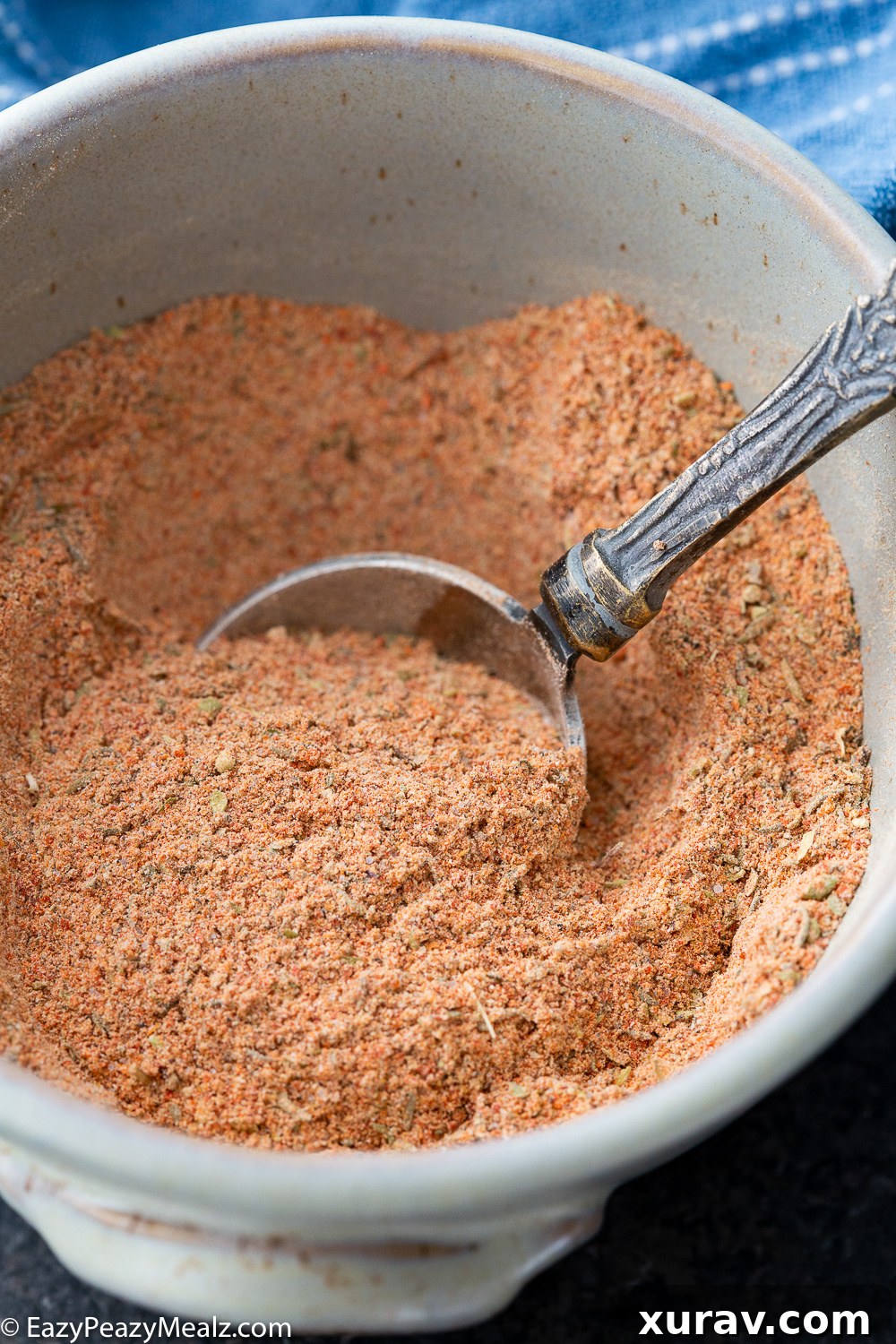
Make It Truly Your Own: Customizing Your Cajun Blend
The beauty of homemade seasoning doesn’t stop at adjusting heat and salt; it extends to endless customization, allowing you to create a blend that perfectly reflects your personal taste and culinary vision. Think of the basic recipe as a springboard, and let your creativity soar. For a subtle tang and a touch of savory depth, add a pinch of ground mustard or even a little lemon zest (dried and powdered, if adding to the dry blend). If you enjoy a hint of sweetness to balance the spice, a teaspoon of brown sugar can transform the profile, making it fantastic for rubs on pork or chicken. For a Mediterranean twist, dried basil or marjoram can add a unique aromatic layer. Want more herbal notes? Try adding a dash of dried sage. A tiny touch of ground celery seed can also contribute a complex, savory background note, enhancing the overall umami. The possibilities are genuinely endless, and each tweak results in a unique, flavorful seasoning that’s unmistakably your own, making every dish you create a personal culinary masterpiece.
Frequently Asked Questions About Homemade Cajun Seasoning
What is the difference between Cajun and Creole seasoning?
While often used interchangeably and sharing many common ingredients, there are subtle differences. Cajun seasoning typically focuses more on heat and earthy spices, reflecting its rustic, country French-Acadian roots. Creole seasoning often includes more herbs (like bay leaf or basil) and sometimes sweet paprika, reflecting the more sophisticated, city-influenced culinary traditions of New Orleans, which blend French, Spanish, African, and Caribbean influences. Our homemade blend leans into the bold, spicy character often associated with traditional Cajun.
How long does homemade Cajun seasoning last?
When stored in an airtight container in a cool, dark place (like a pantry), your homemade Cajun seasoning will retain its optimal freshness and potency for about 6 months. It can still be used for up to a year, but the flavors may start to mellow. Beyond a year, it’s best to make a fresh batch for the most vibrant results.
Can I make a larger batch for gifting?
Absolutely! This recipe can easily be doubled, tripled, or quadrupled. Just ensure you have enough fresh ingredients and proper airtight containers for storage. Homemade spice blends make thoughtful and practical gifts for fellow food enthusiasts!
Is it okay to use regular paprika instead of smoked paprika?
Yes, it’s perfectly fine. Regular sweet paprika will still provide color and a mild, sweet pepper flavor. However, using smoked paprika is highly recommended as it imparts a distinctive smoky depth that is a hallmark of authentic Cajun cuisine. If you love the smoky flavor, stick with smoked paprika!
How can I reduce the sodium in this recipe?
The easiest way to reduce sodium is to omit the salt from the blend entirely. You can then add salt directly to your food while cooking or at the table, allowing for precise control over the sodium content of each dish. This is a great option for health-conscious cooks.
Conclusion: Embrace the Flavor, Craft Your Legacy
Making homemade Cajun seasoning is more than just combining spices; it’s an act of culinary empowerment. It’s a simple yet incredibly rewarding way to infuse your kitchen with bold, authentic flavors, providing a vibrant foundation for countless delicious meals. Whether you’re spicing up a simple weeknight dinner, preparing a festive feast for guests, or exploring new recipes, this versatile blend is an absolute must-have. Beyond the incredible taste, the absence of fillers or artificial additives means you’re serving up pure, wholesome goodness with every sprinkle. So, gather your aromatic spices, unleash your inner chef, and get mixing – your taste buds, and everyone you cook for, will undoubtedly thank you for this delightful creation!
My Favorite Ways to Use Cajun Seasoning:
- Crispy Cajun Wings: A fiery kick for your game day favorite.
- Cajun Pulled Pork: Slow-cooked perfection with a spicy, smoky edge.
- Cajun Chicken Alfredo Dip: A creamy, zesty dip that’s utterly addictive.
- Cajun Baked Salmon: Flavorful and healthy, perfect for a quick dinner.
- Cajun Fries: The ultimate upgrade for your regular french fries.
- Cajun Shrimp Pasta: A quick and flavorful weeknight meal.
- Cajun Roasted Potatoes: A simple yet incredibly delicious side dish.
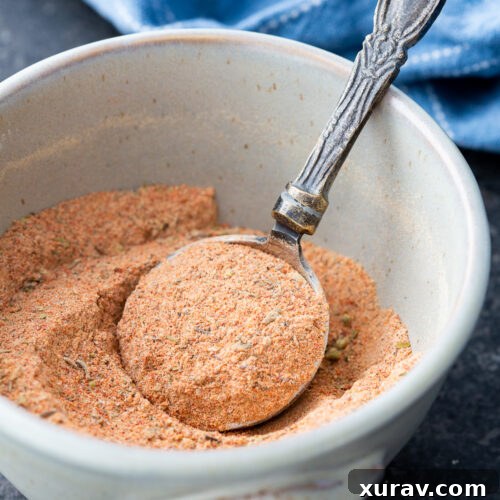
Cajun Seasoning Blend
A homemade Cajun seasoning blend, with a bold flavor and customizable heat kick.
Cuisine: American
Keyword: cajun, cajun seasoning, spice blend, seasoning mixture
Prep Time: 10 minutes
Author: Rachael
Ingredients
- 2 tablespoons smoked paprika (or regular paprika for a less smoky flavor)
- 1 tablespoon garlic powder
- 1 tablespoon onion powder
- 1 tablespoon dried oregano
- 1 tablespoon dried thyme
- 1/2-1 tablespoon cayenne pepper (adjust to your desired level of heat)
- 1 tablespoon black pepper
- 1 tablespoon white pepper
- 1 teaspoon salt (optional, or adjust to taste)
Instructions
- Measure: Gather all the ingredients and measure them into a small bowl.
- Mix: Use a whisk or a fork to combine the spices thoroughly until uniform.
- Store: Transfer the blend to an airtight container or spice jar. Store it in a cool, dark place for up to 6 months for best flavor.
Nutrition Information (Approximate per serving of seasoning)
Calories: 158kcal | Carbohydrates: 35g | Protein: 6g | Fat: 3g | Saturated Fat: 1g | Polyunsaturated Fat: 2g | Monounsaturated Fat: 0.5g | Sodium: 2351mg | Potassium: 715mg | Fiber: 14g | Sugar: 3g | Vitamin A: 8206IU | Vitamin C: 7mg | Calcium: 271mg | Iron: 12mg
Our recipe calculations are based on averages for the above ingredients. Different brands and quality of produce/meats may have different nutritional information. Always calculate your own based on the specific products you use to achieve accurate macros for your recipes.