German Pancakes: The Ultimate Guide to a Puffy, Golden Breakfast Masterpiece
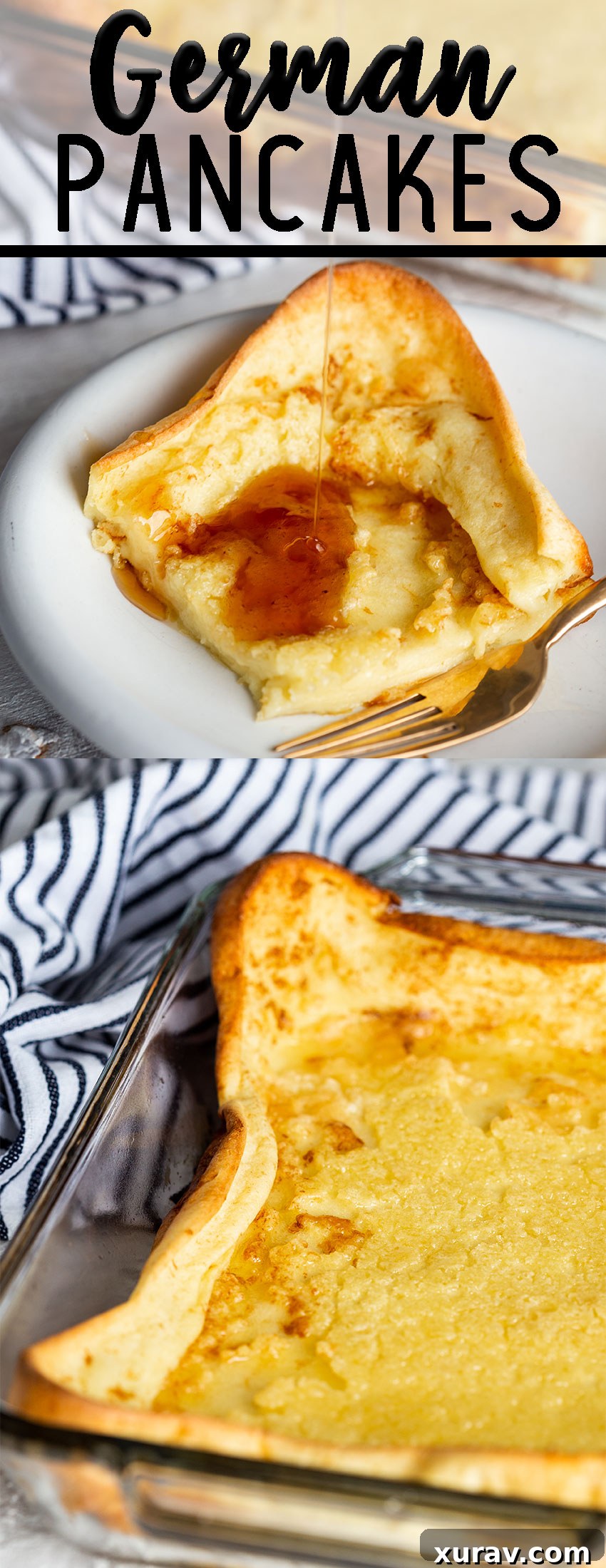
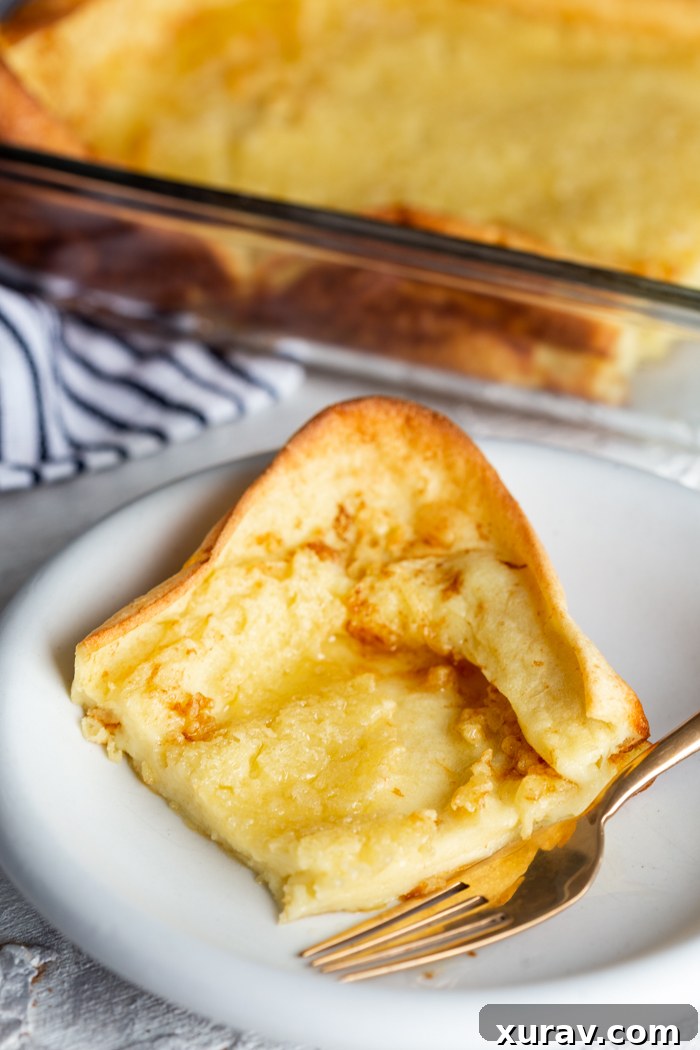
Imagine a breakfast treat that’s both spectacularly impressive and surprisingly simple to make. German Pancakes, often affectionately known as Dutch Babies or Puff Pancakes, fit this description perfectly. These culinary wonders emerge from the oven as golden, sky-high soufflé-like creations, boasting delightfully crispy edges and a soft, eggy center that melts in your mouth. Drizzle them with your favorite syrup, dust with powdered sugar, or load them up with fruit and jam for a sweet start to your day. Or, for the adventurous palate, explore savory options that transform this versatile dish into a brunch or dinner delight.
This recipe promises to bring smiles to every face at the breakfast table, and it takes just about 30 minutes from start to finish. It’s truly that easy-peasy! We’ve been making this recipe for over six years, ever since a good friend first shared it, and it remains a cherished family tradition. It’s so straightforward that even my boys have mastered whipping up these sensational Dutch Baby pancakes on mornings when I need a little extra sleep. With just a few simple ingredients, they can create a breakfast masterpiece without any fuss.
One of the most captivating aspects for both kids and adults alike is watching these pancakes dramatically puff up in the oven. The anticipation as they rise to incredible heights is pure kitchen magic, delivering a moment of dreamy perfection before they gently settle as they cool. For those busy mornings or when we’re on the go, we sometimes make German Pancake Minis. They’re super easy to cup and add fruit to, making them perfect for enjoying on the drive to school. As you can tell, I’m always looking for the easiest way to make delicious meals!
If you’re as much of a pancake enthusiast as we are, be sure to explore some of our other delightful pancake recipes like Raspberry Cheesecake Pancakes, Savory Bacon, Cheddar, Chive Ricotta Pancakes, or Banana Pancakes with Bigelow Tea Salted Caramel Syrup.
German Pancakes vs. Dutch Babies: Unraveling the Name
It’s a common question: what’s the difference between German pancakes and Dutch babies? The short answer is, not much beyond the name! These buttery, puffy pancakes are indeed derived from the traditional German pancake dish, often referred to as “Pfannkuchen” in Germany. The intriguing name “Dutch Baby” is said to have been coined in the early 20th century by one of Victor Manca’s daughters, whose family owned Manca’s Cafe in Seattle, Washington. Legend has it that “Dutch” might have been her playful corruption of the German word “Deutsch.” Manca’s Cafe even claimed a trademark for “Dutch Baby” in 1942, solidifying its place in American culinary history. Regardless of what you call them, whether German pancakes or Dutch babies, their incredible taste remains universally adored.
The Magic Behind the Puff: Why German Pancakes are Unique
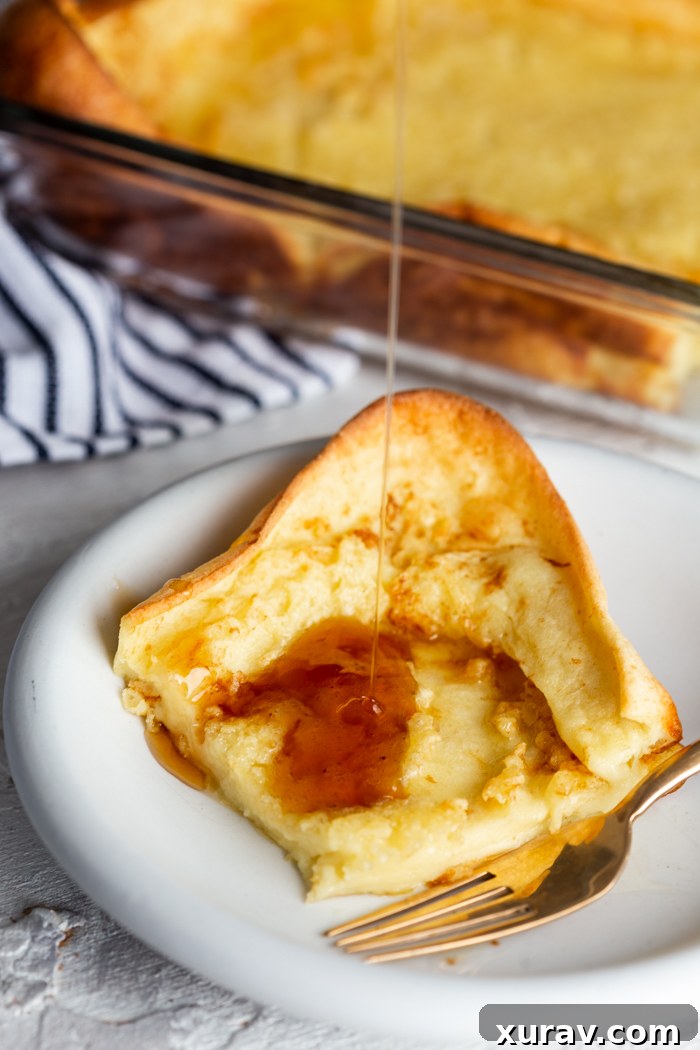
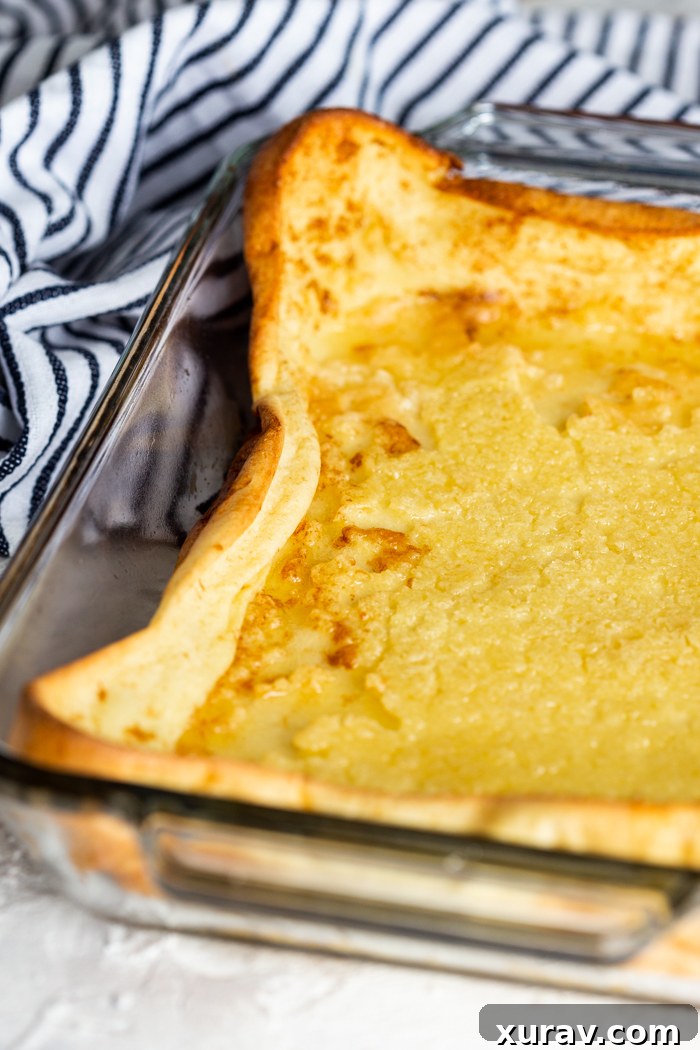
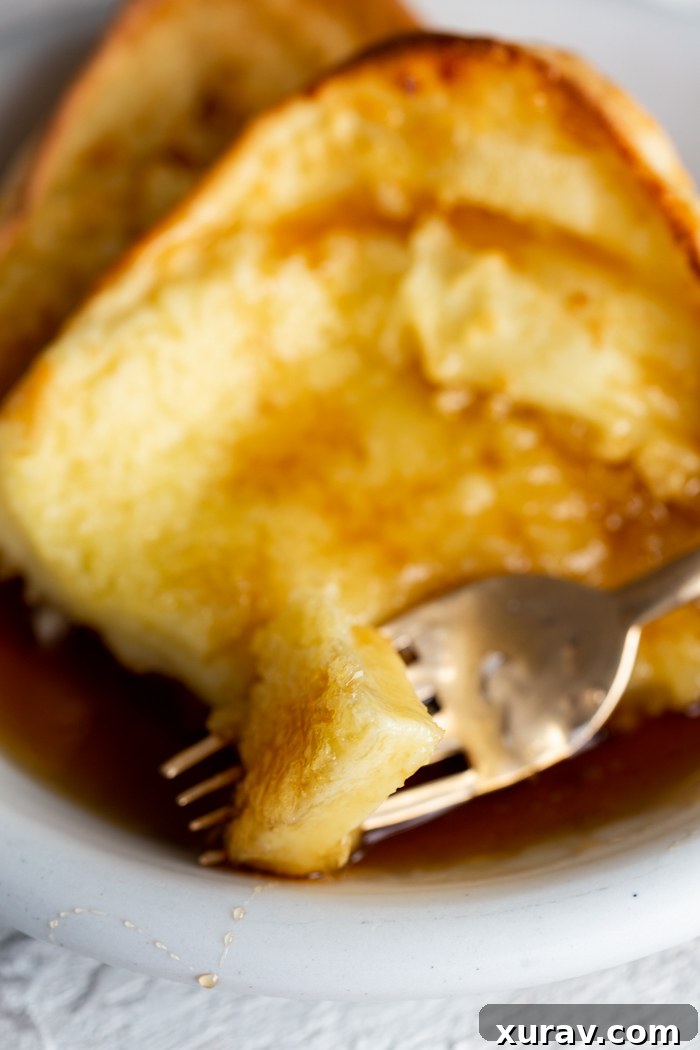
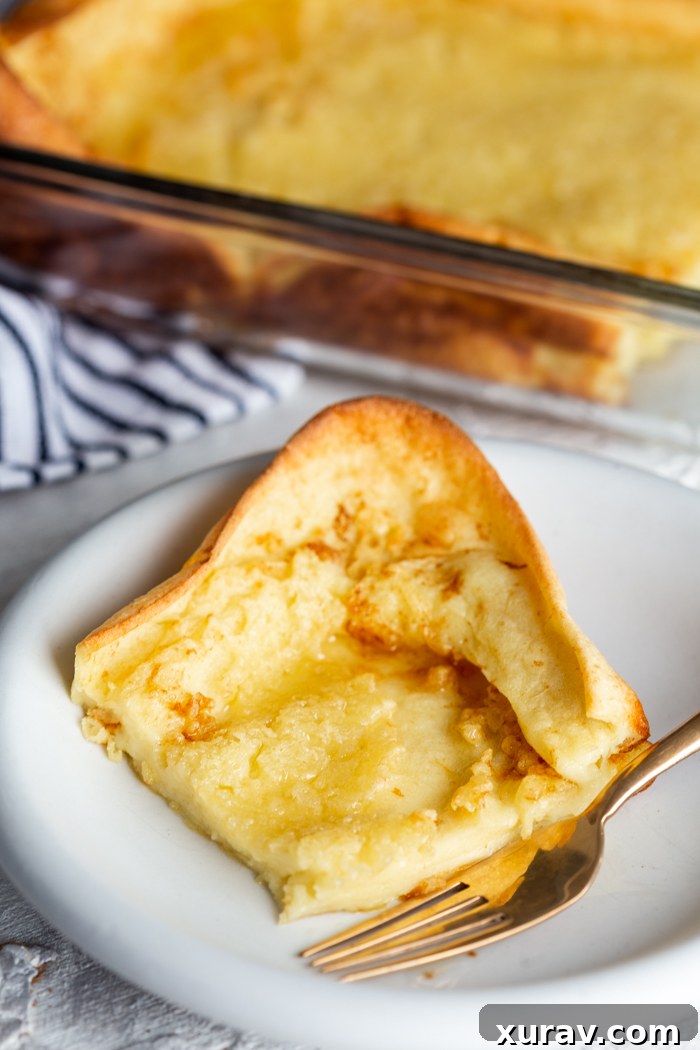
What sets German pancakes apart is their distinctive preparation and spectacular presentation. Unlike traditional flapjacks cooked on a griddle, these pancakes are baked in a hot oven, typically in a skillet or baking dish. The high heat causes the egg-rich batter to rapidly expand and puff up dramatically along the sides of the pan, creating a golden, airy crown. This magnificent rise is a feast for the eyes, especially when peering through the oven door. However, a hallmark of these pancakes is their graceful fall shortly after being removed from the oven, settling into a beautiful crater-like shape that’s perfect for holding your favorite toppings. The contrast of the crispy, sometimes salty, edges (thanks to melted butter!) and the soft, custardy, eggy center makes for an exquisite texture and flavor experience.
Essential Ingredients for Your Perfect German Pancakes
The beauty of German pancakes lies in their simplicity, requiring only a handful of pantry staples. These basic ingredients combine to create a dish that is far greater than the sum of its parts. Each component plays a vital role in achieving that characteristic puff, crispy edge, and rich flavor:
- Butter: This ingredient is a true workhorse in our German pancake recipe. It serves a double purpose: first, it thoroughly greases the baking pan, preventing the pancake from sticking and aiding in its magnificent rise. Second, the butter contributes significantly to the pancake’s rich flavor and helps create those coveted crispy, golden-brown edges that everyone fights over. The sizzle it makes when the batter is poured in is a promise of deliciousness to come.
- Flour: All-purpose flour provides the essential structure for the pancake. It helps to give the batter enough body to hold its shape as it bakes and puffs, ensuring a robust yet tender result.
- Sugar: A touch of granulated sugar adds a subtle sweetness to the pancake, balancing the richness of the eggs and butter. It also aids in achieving that beautiful golden-brown crust during baking.
- Salt: A dash of salt is crucial for enhancing all the other flavors in the batter. It balances the sweetness and richness, making the overall taste more complex and satisfying. If using unsalted butter, you might consider a slightly larger pinch.
- Milk: Whole milk is preferred for its fat content, which contributes to the pancake’s creamy texture and richness. It helps create that smooth, luscious interior that complements the crispy exterior perfectly.
- Eggs: The true heroes of the German pancake, eggs are responsible for the impressive puff. When beaten well and combined with the other ingredients, the proteins and moisture in the eggs create steam in the hot oven, which lifts the batter into its characteristic dome shape. They also provide the soft, custardy, and distinctly “eggy” flavor and texture that defines this dish. For best results, ensure your eggs are at room temperature.
How to Make Classic Oven-Baked German Pancakes
Creating these puffy, egg-y pancakes, also known as Dutch babies, is a delightful experience. Made with milk, eggs, butter, flour, sugar, and salt, they undergo a magical transformation in the oven, puffing up dramatically before settling into their charming, crinkled form. The edges become wonderfully crispy and slightly salty (especially with salted butter), while the interior remains soft, rich, and almost custard-like. They are absolutely divine served with buttermilk syrup, or a vibrant strawberry syrup.
Here’s a detailed guide to baking your own perfect German pancakes:
- Step 1: Preheat Oven & Melt Butter. Begin by preheating your oven to a steady 400°F (200°C). While the oven heats, place the butter into a 9×9 inch baking pan or a 10-inch cast-iron skillet. Once the oven reaches temperature, carefully place the pan with the butter inside. Allow it to melt completely, usually taking about 5 minutes, ensuring the entire bottom and sides of the pan are coated. This step is crucial for the pancake’s release and its crispy exterior.
- Step 2: Prepare the Batter. In a large mixing bowl, combine all your dry ingredients first: flour, sugar, and salt. Whisk them together thoroughly to ensure even distribution. Then, in a separate bowl, whisk your eggs individually until slightly frothy. This helps incorporate air, contributing to a lighter, fluffier pancake. Gradually add the whisked eggs and milk to the dry ingredients, mixing slowly by hand until just combined. Be careful not to overmix; a few small lumps are perfectly fine and often result in a tender pancake.
- Step 3: Pour and Initial Bake. Once the butter is melted and the pan is piping hot, carefully remove it from the oven, but keep the oven on at 400°F (200°C). Immediately pour the prepared batter into the hot pan with the melted butter. The batter should sizzle as it hits the hot butter. Return the pan to the preheated oven and bake for 15-20 minutes. During this phase, watch the pancake dramatically rise and puff up—it’s truly a spectacular sight!
- Step 4: Reduce Heat and Finish Baking. After the initial 15-20 minutes, the pancake should be significantly puffed and starting to turn golden. At this point, reduce the oven temperature to 350°F (175°C) and continue baking for another 8-10 minutes. This lower temperature allows the pancake to cook through completely without burning the edges, resulting in a perfectly set center and beautifully crisp, golden-brown edges.
- Step 5: Serve Immediately. German pancakes are best enjoyed straight from the oven, as they will begin to deflate as they cool. Serve them hot with your choice of toppings. Classic choices include fresh fruit, a dollop of sour cream, a sprinkle of brown sugar, or a generous pour of your favorite syrup. Get creative and enjoy!
Delicious Topping Ideas for Your German Pancakes
One of the most appealing aspects of German pancakes is their incredible versatility when it comes to toppings. Whether you prefer sweet or savory, there’s an option for everyone to personalize their culinary creation. The crisp edges and soft, eggy interior provide the perfect canvas for a wide array of flavors.
For a traditional and utterly delicious experience, we highly recommend trying this recipe with a generous dollop of sour cream, a light sprinkling of brown sugar, and slices of fresh strawberries. The slight tang of the sour cream beautifully cuts through the richness of the pancake, while the brown sugar adds warmth and sweetness, and the strawberries provide a burst of fresh, juicy flavor. It’s an unexpectedly amazing combination! When these ingredients aren’t on hand, a simple drizzle of maple syrup and a dusting of powdered sugar are always fantastic.
Here are more topping ideas to inspire you:
- Sweet Options:
- Classic maple syrup, honey, or agave nectar.
- Fresh berries (blueberries, raspberries, blackberries) with a sprinkle of sugar.
- Sliced bananas and a drizzle of caramel or chocolate sauce.
- Fruit compotes or preserves (apple, cherry, peach).
- Cinnamon sugar mix.
- Lemon wedges with powdered sugar (a common European preference for a tart-sweet contrast).
- Whipped cream or a scoop of vanilla ice cream for a dessert-like indulgence.
- Nutella or other chocolate spreads.
- Savory Options:
- Crispy bacon or crumbled sausage.
- Sautéed mushrooms, onions, and spinach.
- Smoked salmon with dill and cream cheese.
- Fried egg and avocado slices.
- Shredded cheddar cheese or other mild cheeses.
- Herbs like chives, parsley, or rosemary.
- A dollop of plain Greek yogurt with everything bagel seasoning.
Stove-Top German Pancakes: An Alternative Method
While oven-baking is the traditional and most common method for German pancakes, renowned for its ease and the spectacular puff, it is also possible to make a version on the stove-top. This can be a great alternative if you don’t want to turn on your oven or prefer the hands-on control of pan-frying. Keep in mind that stove-top pancakes might not achieve the same dramatic, uniform puff as their oven-baked counterparts, but they will still be deliciously eggy and satisfying.
Here’s how you can adapt the recipe for your stove-top:
- Heat Your Cast Iron Skillet: The key to successful stove-top German pancakes is an evenly heated pan. A heavy-bottomed cast iron skillet is ideal for retaining and distributing heat. Place your skillet over medium-high heat and allow it to warm up thoroughly for several minutes.
- Grease the Pan: Instead of melting butter in the oven, you’ll melt it directly in the hot skillet on the stove. Add a generous amount of butter (or a non-stick cooking spray of your choice) to the skillet and swirl it around to coat the bottom and sides completely. Ensure the butter is melted and sizzling, but not browned, before adding the batter.
- Cook Until Golden Brown: Pour a portion of your prepared batter into the hot, greased skillet. How much batter you use will depend on the size of your skillet and how thick you want your pancakes. Cook until the bottom is golden brown and the edges begin to set, typically a few minutes. Then, carefully flip the pancake and cook the other side until it’s also golden brown and cooked through. Repeat with the remaining batter. These will resemble thicker, fluffier standard pancakes but will still have that rich, eggy flavor.
The Indispensable Role of Butter in German Pancakes
When it comes to German pancakes, butter is not just an ingredient; it’s a critical component that defines their texture, flavor, and overall appeal. This is a question I get asked all the time: can I substitute the butter? While it might be possible, understanding why butter is so important will help you appreciate its irreplaceable contribution.
Butter’s primary function begins even before the batter is added. When melted in a hot pan, it creates an essential non-stick surface, ensuring the delicate pancake can puff up without adhering to the pan and then release effortlessly. Beyond its practical role, butter leaves a rich, thick layer of fat, which is fundamental to the character of these pancakes. This fat is not just for greasing; it’s absorbed by the batter, contributing to the incredible tenderness of the interior and the desired crispiness of the exterior. The slight saltiness from butter also creates a delightful contrast against sweet toppings.
Ultimately, butter infuses the pancake with an unparalleled richness and a distinctive flavor that cannot be fully replicated by other fats. It’s what helps achieve that perfect balance of crispy edges and a soft, eggy center. This is why we all instinctively reach for those delicious corner pieces, which are generously imbued with buttery crispness!
Expert Tips for Flawless German Pancakes
German pancakes are remarkably forgiving, making them an excellent choice for bakers of all skill levels. They come together with such ease and always yield a beautiful result. While their magnificent puff is a hallmark, be aware that they will gradually deflate a few minutes after being removed from the oven, settling into a charming, crinkled form that’s perfect for holding toppings. Butter, from start to finish, is the masterpiece ingredient in this recipe, and knowing how to handle it is key. Bake this German pancake to your desired perfection, knowing it’s likely to disappear within minutes!
To help you achieve the best possible German pancakes every time, here are some expert tips:
- Watch the Butter Closely: When melting butter in the pan within the preheating oven, be sure to keep a close eye on it. You want the butter to be fully melted and shimmering, but not browned or burned. Burnt butter can impart an undesirable flavor to your pancakes. Just melted and golden is perfect.
- Proper Mixing Technique: Always mix your dry ingredients thoroughly in a large bowl first. This ensures that the flour, sugar, and salt are evenly distributed. Then, gradually add the wet ingredients (eggs and milk) to the dry mixture, stirring gently by hand until just combined. Avoid overmixing, as this can develop the gluten in the flour too much, leading to a tougher pancake. A few small lumps are perfectly acceptable.
- Beat Eggs Individually (or Vigorously): While the original recipe suggests beating each egg individually, the core idea is to incorporate air into the eggs. You can also achieve this by vigorously whisking all the eggs together until they are light and frothy before adding them to the milk. This extra air creates a lighter and fluffier batter, contributing significantly to the pancake’s impressive puff.
- Adjust Cooking Time for Desired Crispiness: The cooking time provided in the recipe (15-20 minutes at 400°F, then 8-10 minutes at 350°F) is a general guideline. Your preference for crispy edges versus a softer texture will dictate slight adjustments. For extra crispy edges, you might extend the second baking phase by a minute or two, watching carefully to prevent burning. The goal is a nice and fluffy inside with beautifully crisp, golden-brown edges.
- Don’t Open the Oven Too Soon: Resist the urge to open the oven door during the initial baking phase, especially during the first 10-15 minutes. Opening the oven releases heat, which can cause the pancake to deflate prematurely and prevent it from reaching its maximum puff.
- Serve Immediately: German pancakes are best enjoyed fresh out of the oven. While they will deflate, they are at their most delicious when warm and pillowy. Have your toppings ready!
Can You Make German Pancakes Ahead of Time?
As someone who appreciates the “easy-peasy” approach to starting the day or week, I understand the desire for make-ahead options. Unfortunately, preparing the batter for German pancakes in advance and freezing it isn’t ideal, as the texture can suffer. The magic of the puff relies heavily on fresh ingredients and proper aeration.
However, you can certainly prepare the pancakes themselves ahead of time once they are cooked and completely cooled. This makes them a convenient option for busy mornings or meal prepping:
- Storing in the Refrigerator: Once your German pancakes have fully cooled to room temperature, place them in an airtight container or a resealable ziplock bag. They will keep well in the refrigerator for about 3 to 5 days.
- Storing in the Freezer: For longer storage, allow the cooked German pancakes to cool completely. Then, transfer them to a freezer-safe ziplock bag or an airtight container. To prevent sticking, you can place parchment paper between individual pancakes if stacking them. They will last for approximately 1 month in the freezer, maintaining good quality.
- Reheating German Pancakes: When you’re ready to enjoy your stored pancakes, thaw them first if they were frozen. Then, you can reheat them in the microwave for 30-45 seconds at a time until they are warm throughout. Alternatively, for a crispier result, you can gently reheat them in a preheated oven (around 300°F / 150°C) for 5-10 minutes, or in a toaster oven.
Do You Love Pancakes?! Here Are More Great Recipes to Try!
In our family, we are definitely “breakfast kind-of-people”! We enjoy breakfast for breakfast, brunch, and even dinner. There’s just something inherently special and comforting about breakfast food that resonates with everyone in our household. It’s often easy-peasy to prepare and always hits the spot, no matter the time of day. Whether you crave a sweet indulgence or a savory delight, starting your day (or ending it!) with a delicious pancake is always a good idea. Expand your pancake repertoire with these fantastic recipes:
- Keto Pancakes: A low-carb option that doesn’t skimp on flavor.
- Citrus Ricotta Pancakes: Light, fluffy, and bursting with zesty citrus notes.
- Chocolate Chip Pancakes: A timeless classic that’s always a crowd-pleaser.
- Protein Packed Chocolate German Pancakes: A nutritious twist on the beloved German pancake, with a rich chocolate flavor.
- Peppermint Hot Chocolate Stuffed Pancakes: A festive and decadent option for a special treat.
German Pancakes
Print
Pin
Ingredients
- 1/4 c butter
- 3/4 c flour
- 1/3 c sugar
- 1/4 tsp salt
- 1 1/2 c milk
- 3 eggs
Instructions
-
Preheat oven to 400 degrees.
-
Put butter in 9 x 9 baking pan, and put it the preheated oven until it melts. Usually about 5 minutes.
-
In a large bowl, mix dry ingredients first, then add in wet (slowly, and by hand). Stir until combined.
-
Remove pan from oven, but leave oven on. Pour batter into pan.
-
Bake for 15-20 mins at 400 degrees.
-
After 15-20 minutes is up, turn heat down to 350 and bake 8-10 more minutes until cooked through and with crisp, golden brown edges.
-
Serve with fruit, sour cream, brown sugar, syrup, etc.
Nutrition
Our recipe card software calculates these nutrition facts based on averages for the above ingredients, different brands, and quality of produce/meats may have different nutritional information, always calculate your own based on the specific products you use in order to achieve accurate macros for this recipe.
 Want to use this recipe in a meal plan?Try PrePear, my FREE Meal Planning App that allows you to save your recipes, plan meals, shop for groceries, and cook simply in one place. Join Here!