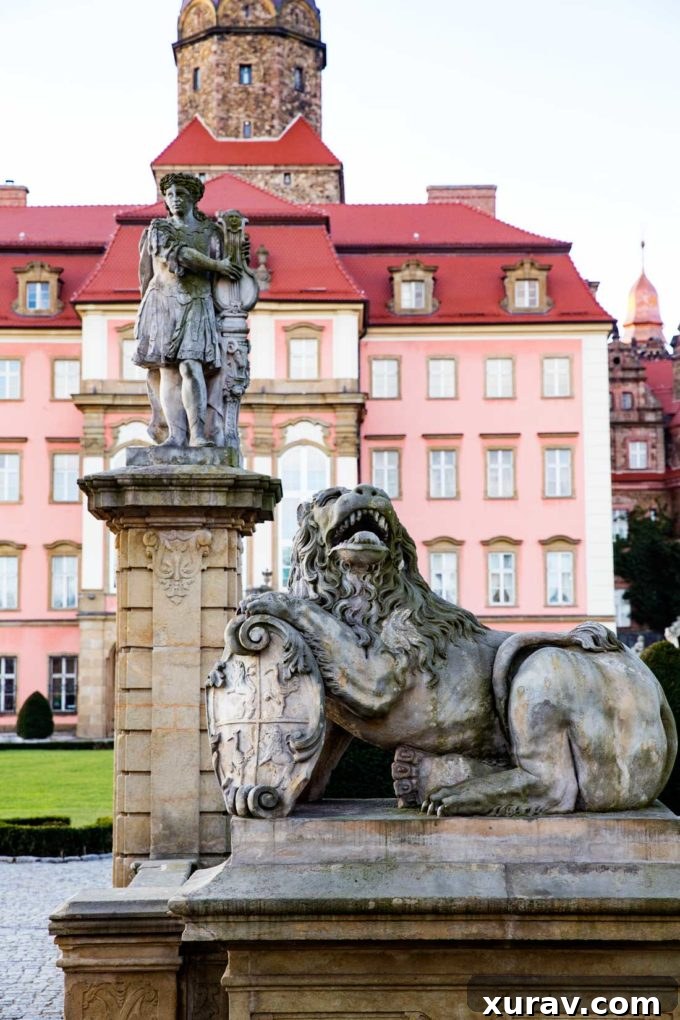
Discovering Ksiaz Castle: Poland’s Enigmatic Pearl of Lower Silesia
There are some destinations that aren’t on your radar, places you never consciously dreamed of visiting, but once experienced, you wonder how they weren’t always at the top of your travel aspirations. Ksiaz Castle in Wałbrzych, Poland, is precisely one such enchanting location for me. It’s a place that transcends expectations, offering a blend of history, mystery, and architectural splendor that captivates every visitor. If you’re seeking an extraordinary European adventure beyond the well-trodden paths, Ksiaz Castle truly deserves a prominent spot on your itinerary. While Poland offers vibrant cities like Krakow and Wroclaw, and profound historical sites like Auschwitz and Birkenau, overlooking the unique allure of Ksiaz Castle would be a missed opportunity.
Ksiaz Castle is more than just a magnificent historical edifice; it’s an accessible, affordable destination, brimming with centuries of stories and intrigue. Its strategic location also makes it an excellent base for exploring the picturesque Lower Silesian region. Set amidst rolling hills and lush forests, a few hours away from some of Poland’s more famous urban centers, this eclectic and captivating castle is an absolute must-see for any traveler yearning for an authentic, off-the-beaten-path experience.
My visit to Poland with two dear friends, Rebecca and Courtney, was a journey of delightful discoveries. Having visited Poland before, I entrusted much of the itinerary planning to them, eager to embrace whatever adventures they had arranged. Consequently, I arrived at Ksiaz Castle with little preconceived notion of what awaited us, a blank canvas ready to be painted with new experiences. As a lover of history and grand architecture, the prospect of exploring a castle was exciting enough, but the true magic began when I learned we would be staying right on the castle grounds, within the charming confines of the Gatehouse Hotel Ksiaz. This unexpected lodging transformed our visit from a simple tour into an immersive historical retreat.
A Journey Through Time: The History of Ksiaz Castle
Nestled in the breathtaking landscape of Lower Silesia, Ksiaz Castle, often referred to as the “Pearl of Lower Silesia,” is a stunning historical gem with a past as complex and intriguing as its architecture. Its history spans over 700 years, witnessing the rise and fall of empires, the lives of noble families, and the darkest chapters of human history. Understanding this rich tapestry adds immeasurable depth to your visit.
From Medieval Fortress to Noble Residence
The origins of Ksiaz Castle date back to the 13th century, when it was built by Duke Bolko I the Strict of the Piast dynasty as a defensive stronghold to guard trade routes. Over the centuries, it changed hands numerous times, evolving from a sturdy medieval fortress into a magnificent aristocratic residence. Its most prominent owners were the noble Hochberg family, who possessed the castle from 1509 until World War II. Under their stewardship, especially during the 17th and 18th centuries, Ksiaz underwent extensive transformations, acquiring much of its present-day Baroque and Rococo grandeur.
Princess Daisy: A Visionary Beyond Her Time
Among the most famous residents of Ksiaz Castle was Mary Theresa Olivia Cornwallis-West, known as Princess Daisy of Pless. Born into British aristocracy, she married Hans Heinrich XV, Prince of Pless, in 1891. Princess Daisy was a woman far ahead of her time – a social reformer, pacifist, and advocate for peace during World War I. She dedicated her life to philanthropy, improving the living conditions of miners and factory workers in her husband’s vast estates. Her life at Ksiaz, though opulent, was also marked by personal struggles and a growing disillusionment with aristocratic life, which she candidly chronicled in her memoirs. A captivating figure, she was also the step-aunt to Winston Churchill, who was known to have stayed at Ksiaz Castle on several occasions. Her story adds a touch of glamour, intelligence, and a deeply human narrative to the castle’s history, highlighting its role as a hub for European aristocracy and political figures.
The Shadow of World War II: Project Riese
The castle’s most haunting and mysterious chapter unfolds during World War II. In 1941, Ksiaz Castle was seized by the Nazi regime, becoming part of the enigmatic “Project Riese” (Giant Project) – a vast, secretive construction endeavor in the Owl Mountains. The Nazis harbored plans to transform Ksiaz into one of Adolf Hitler’s headquarters or a key facility for top-secret research. During this period, the castle’s opulent interiors were stripped, and a network of massive underground tunnels, chambers, and shelters was excavated beneath the castle and its grounds, largely by forced labor from concentration camps. The true purpose of Project Riese remains a subject of intense speculation to this day, fueling theories of hidden Nazi treasures, scientific weapons development, or a secure command center. This dark history adds a layer of chilling intrigue, making the underground tours a compelling, albeit somber, experience.
Architectural Grandeur and Design
As you wander through Ksiaz Castle, you’ll be mesmerized by its architectural beauty, which serves as a testament to its long and varied history. The castle is a magnificent blend of Gothic, Renaissance, and Baroque styles, each era leaving its distinct mark on the structure. This fusion creates a unique visual journey, from medieval fortifications to opulent palace wings.
The Splendor Within
The interiors of Ksiaz Castle, though partially restored after the ravages of war, still echo with past glory. Don’t miss the awe-inspiring Knight’s Hall, with its grand dimensions and historical significance, where countless celebrations and official gatherings once took place. The elegant Maximilian Hall, adorned with stunning stucco decorations and frescoes, exemplifies Baroque artistry and was a primary venue for formal events. The charming Rococo Rooms, with their intricate woodwork, delicate pastel palettes, and luxurious furnishings (some recreated to reflect their original grandeur), offer a glimpse into the refined tastes of the Hochberg family. Each room, whether opulent or stark, tells a part of the castle’s story, allowing visitors to imagine the lives led within these storied walls. While many original furnishings were sold for upkeep or looted during the war, some rooms are thoughtfully staged to help visitors visualize the castle’s past splendor.
Beyond the Walls: Gardens and Natural Beauty
The castle’s surroundings are just as enchanting as its interiors, offering a serene escape and breathtaking vistas. The meticulously maintained gardens and expansive terraces invite leisurely strolls and moments of quiet contemplation.
Terraced Gardens and Panoramic Views
Spreading across the castle’s slopes, the magnificent terraced gardens are a masterpiece of landscape design, showcasing vibrant floral displays, ornate fountains, and carefully sculpted hedges. These gardens offer unparalleled panoramic views of the verdant Sudeten Mountains and the surrounding Ksiaz Landscape Park, a protected area of natural beauty. Exploring these outdoor spaces provides a refreshing contrast to the castle’s interior, allowing you to connect with both history and nature. The blend of architectural beauty with the natural environment creates a truly picturesque setting, perfect for photography and relaxation.
The Historic Palm House
A short, delightful walk from the main castle complex leads you to the historic Palm House (Palmiarnia Wałbrzych). Built in the early 20th century by Hans Heinrich XV, Prince of Pless, as a gift for Princess Daisy, this botanical haven is an unexpected oasis. It houses an impressive collection of over 250 species of exotic plants from around the world, including towering palm trees, cacti, and various tropical flora, all thriving within its unique microclimate. The Palm House stands as a beautiful testament to the Hochbergs’ refined taste and love for horticulture, offering a perfect spot to take a break and admire the diverse plant life, especially during colder months.
Delving into the Depths: The Underground Tunnels
For a touch of adventure and a deeper dive into the castle’s most mysterious period, exploring the underground tunnels of Ksiaz Castle is an absolute must. These eerie, extensive passageways were excavated during World War II as part of Project Riese.
The Secrets of Project Riese
The tunnels, a staggering feat of engineering, reveal the grim reality of forced labor and the desperate secrecy surrounding Nazi wartime projects. Guided tours take visitors through a segment of these mysterious underground passages, shedding light on their construction, the harsh conditions faced by the laborers, and the various theories regarding their ultimate purpose. Whether they were intended for Hitler’s personal bunker, secret weapons research, or a secure industrial facility, the tunnels resonate with an unsettling history that leaves a lasting impression. Keep an eye out for any clues that might hint at the legendary hidden treasures – a local myth that continues to fuel treasure hunters’ imaginations.
Planning Your Visit to Ksiaz Castle and Walbrzych
Ksiaz Castle is surprisingly accessible, making it an ideal destination regardless of your starting point in Central Europe. Walbrzych, the town where the castle is located, is about a 2.5 to 3.5-hour drive from major cities like Krakow, Dresden, Berlin, or Prague. The journey through the scenic Polish countryside is itself a delightful experience. For those preferring public transport, Walbrzych is also easily accessible by train, with regular connections from larger Polish cities. The nearest train stations are Wałbrzych Miasto or Wałbrzych Główny, from which local buses or taxis can take you directly to the castle.
Accommodation: The Charm of Hotel Ksiaz
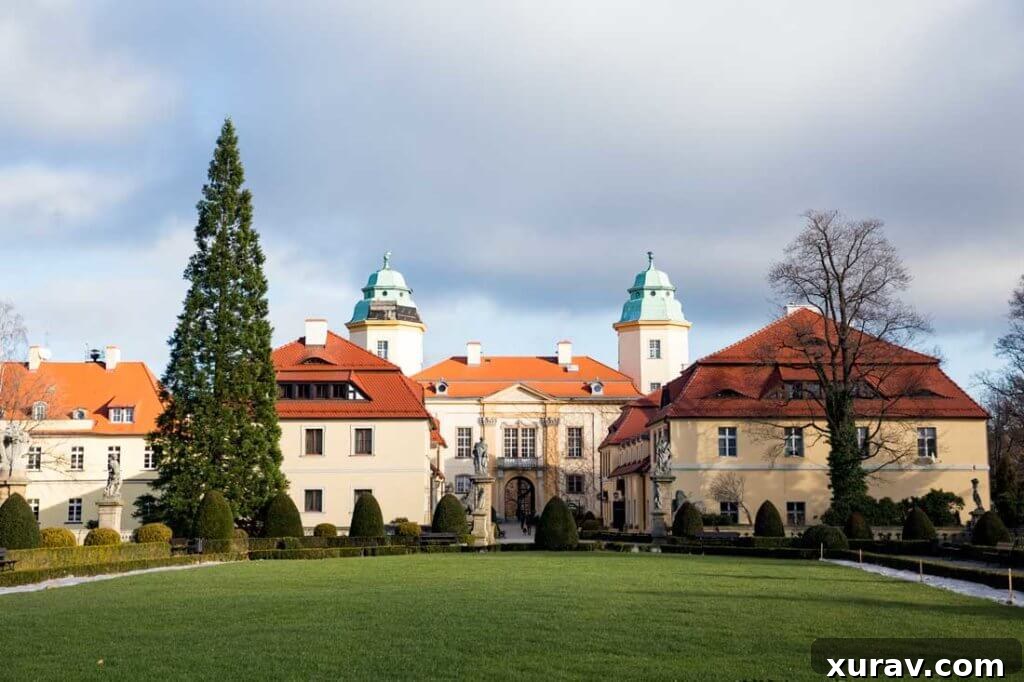
Our experience of staying right on the castle grounds at the charming Gatehouse Hotel Ksiaz (often referred to simply as Hotel Ksiaz) truly elevated our visit. Arriving late at night, we checked into our quaint room, ready for the next day’s exploration. This hotel offers incredible convenience and value, with single rooms typically under $40 a night and spacious three-bed suites available for under $100. These rates often include breakfast, making it an excellent choice for solo travelers, couples, or families alike. Located just 150 meters from the castle entrance, the hotel boasts wonderful views of the magnificent fortress and the surrounding nature preserve. The ease of checking in, facilitated by the English-speaking reception staff, further adds to a stress-free experience. Waking up to the castle illuminated by the morning sun, just steps away, is an unforgettable privilege.
Dining and Local Experiences
After exploring the castle and its expansive grounds, indulge in some delicious local Polish cuisine. The castle’s restaurant offers a delightful menu featuring traditional dishes crafted from fresh, regional ingredients, often accompanied by stunning views of the castle itself. Beyond the castle, Walbrzych and the wider Lower Silesia region offer various dining options, from cozy cafes to traditional Polish eateries, where you can savor pierogi, bigos, and other national delights. Don’t miss the opportunity to explore Walbrzych itself, a city with its own industrial heritage and charming historical corners.
Events and Practical Information
Ksiaz Castle is a vibrant cultural hub, hosting various events and festivals throughout the year. From historical reenactments and medieval fairs to classical music concerts, art exhibitions, and Christmas markets, there’s often something special happening. Checking the castle’s official event calendar beforehand can enhance your visit, offering a unique opportunity to experience the castle in a different light and immerse yourself in local culture.
- Opening Hours: Ksiaz Castle is open year-round, but hours may vary seasonally. Always check the official website for the most current information and any special closures.
- Tickets: Admission fees apply, with various ticket options depending on which areas (castle interiors, gardens, Palm House, underground tunnels) you wish to explore. Discounts are often available for students, seniors, and families. It’s advisable to purchase tickets online in advance, especially during peak season, to avoid queues.
- Accessibility: While efforts have been made to improve accessibility, some older parts of the castle and the underground tunnels may present challenges for visitors with mobility issues. The gardens and main castle levels typically offer better access.
An Unforgettable Polish Gem
Ksiaz Castle stands as a testament to centuries of Polish, European, and even global history. It’s a destination that offers a perfect blend of historical depth, architectural magnificence, natural beauty, and profound mystery. Whether you are a history buff fascinated by aristocratic sagas and wartime secrets, an architecture enthusiast marveling at diverse styles, or simply a traveler seeking a scenic and enriching getaway, a visit to this magnificent castle is sure to be an unforgettable experience. My time at Ksiaz Castle was truly special, and I’m so glad I got to glimpse a bit of its unique and compelling history. Do yourself a favor and read more about it in my friends’ posts (linked above), and let me know if you ever get a chance to visit!
During this trip, we also visited Auschwitz, and you can read about that profound experience here.
(I received a complimentary stay to facilitate this post, all opinions are my own.)