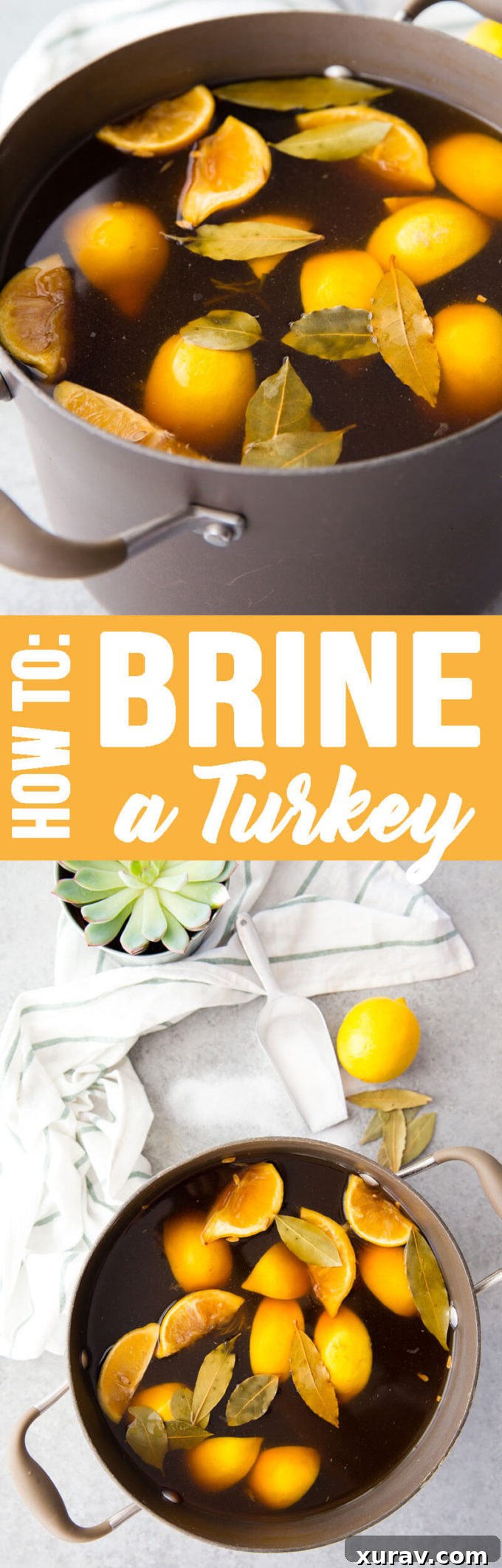
Unlock the Secret to a Perfectly Juicy, Flavorful, and Tender Turkey: Your Ultimate Brining Guide
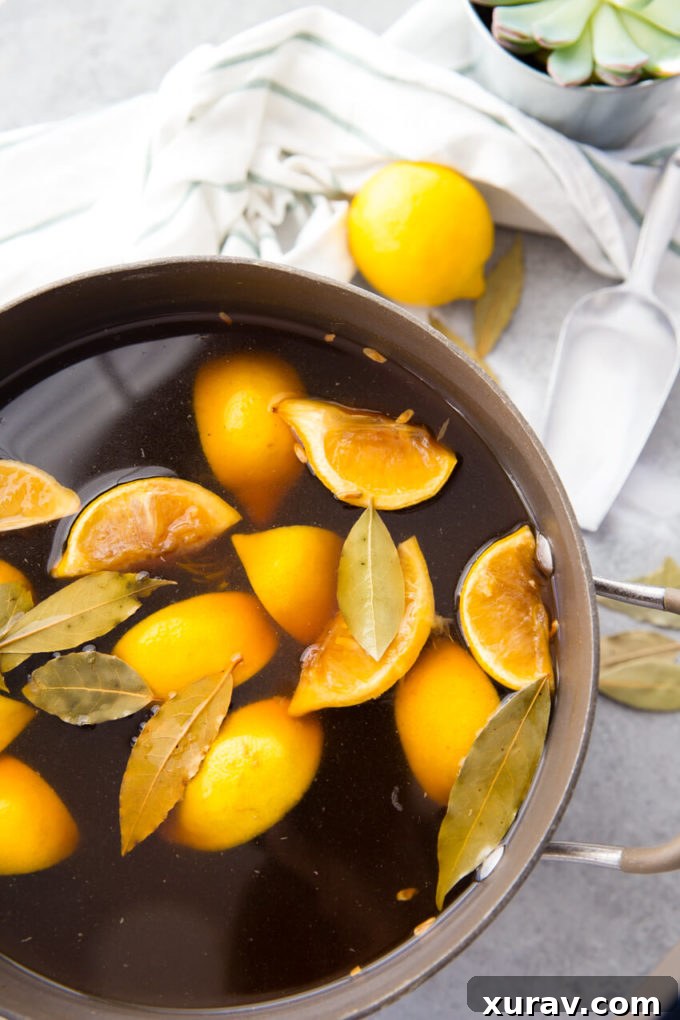
Transforming a Thanksgiving turkey from merely edible to truly unforgettable begins with one crucial step: brining. If your goal is to serve a turkey that’s bursting with flavor, incredibly juicy, and wonderfully tender, then you owe it to yourself and your cherished dinner guests to embrace this game-changing technique. Forget dry, bland turkey; brining ensures every bite is a culinary delight.
Having dedicated countless hours to perfecting turkey recipes – making close to 20 turkeys in a single year for rigorous testing – I can confidently say that brining is the single most impactful step you can take. It’s not an exaggeration to call it a revelation. Once you experience the profound difference brining makes, you’ll never skip it again.
What Exactly is Brining and Why Does it Work Wonders?
At its core, brining is the process of soaking meat in a saltwater solution before cooking. This simple yet powerful technique works on a scientific principle called osmosis, allowing the turkey to absorb extra moisture. During cooking, while some of this moisture will inevitably be lost, the brined turkey starts with a higher internal moisture content, ensuring it remains significantly juicier than an unbrined bird.
Beyond moisture, the salt in the brine also plays a vital role in tenderizing the meat. It helps to break down muscle fibers, resulting in a more succulent texture that literally melts in your mouth. Furthermore, when you infuse your brine with aromatic ingredients, the turkey absorbs these flavors from the inside out, leading to a depth of taste that mere surface seasoning cannot achieve.
The result? A turkey that’s not just moist, but incredibly flavorful and tender throughout. It’s the secret weapon for a truly show-stopping centerpiece at any holiday feast.
Crafting Your Perfect Brine Solution: Beyond the Basics
The Essential Foundation: Salt and Water
The most fundamental brine consists of just salt and water. A widely recommended and effective ratio is 1 cup of kosher salt per gallon of water. This concentration is sufficient to allow the turkey to absorb moisture and flavor without becoming overly salty. For larger turkeys, you’ll need to scale this ratio up to ensure the bird is fully submerged. It’s crucial to use enough brine to completely cover the turkey; if parts of the bird are exposed, they won’t receive the benefits of the brine.
While a basic salt-and-water brine will already elevate your turkey considerably, why stop there when you can unlock even more incredible flavors?
Elevating Flavor with Aromatics and Spices
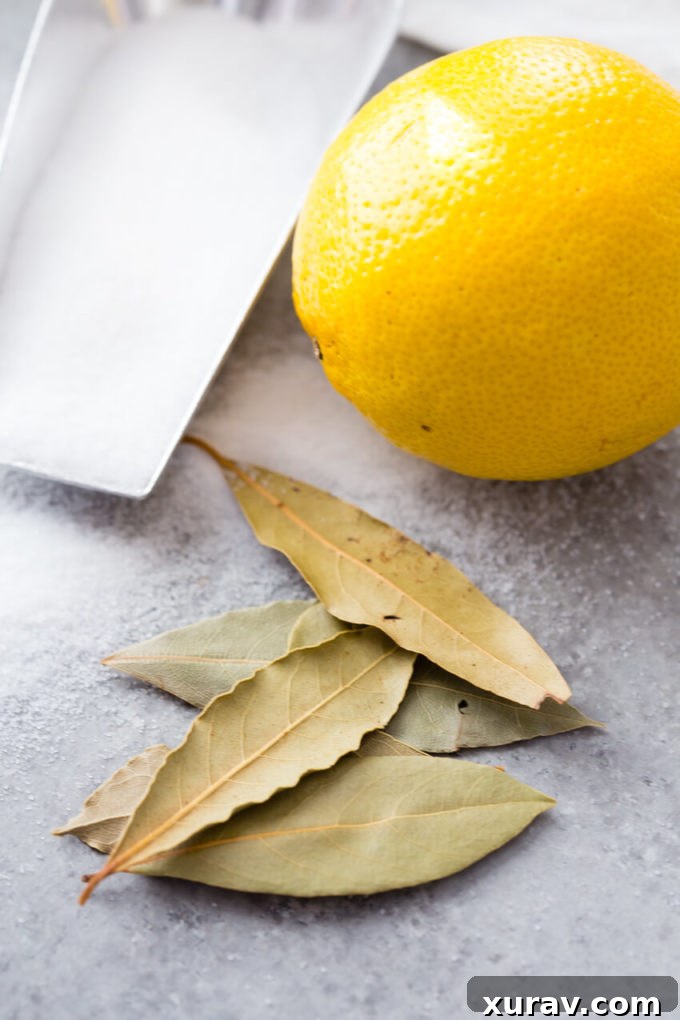
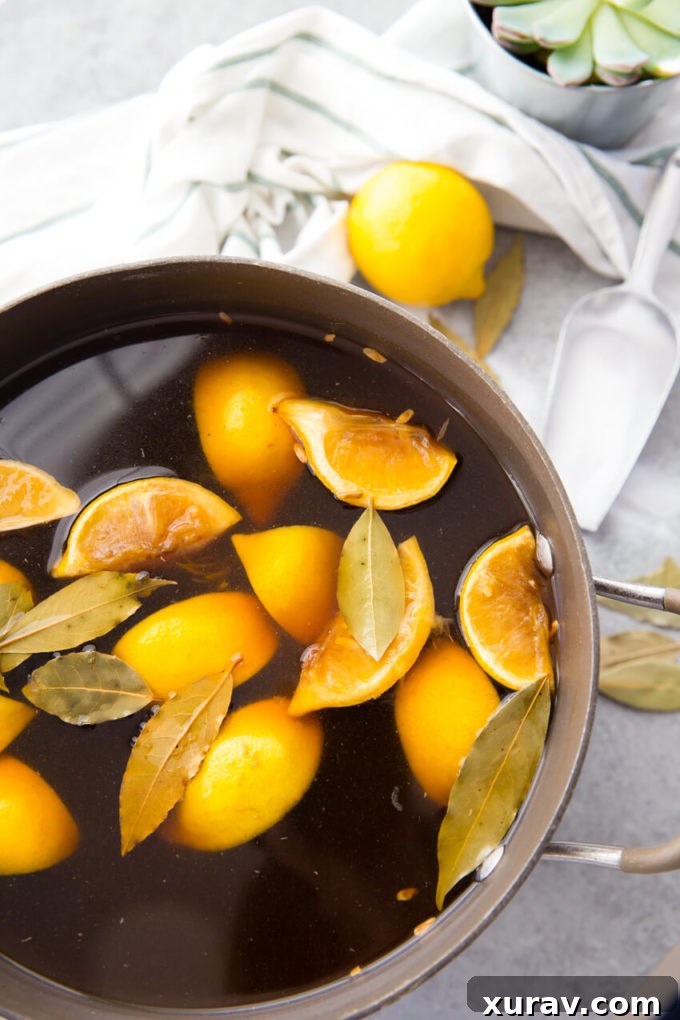
This is where your brine truly transforms into a flavor powerhouse. Incorporating various aromatics, herbs, and spices into your brine can infuse your turkey with rich, nuanced tastes that will impress every palate. Some of our favorite additions include:
- Fresh Herbs: Rosemary, thyme, and sage are classic choices that impart a wonderful earthy aroma.
- Citrus: Quartered lemons, oranges, or limes add a bright, zesty note that cuts through the richness of the turkey.
- Garlic: Whole cloves of garlic, lightly smashed, release a pungent and savory depth.
- Spices: Black peppercorns, bay leaves, whole cloves, or even a cinnamon stick can add layers of complex flavor.
- Sweet Elements: A touch of brown sugar, maple syrup, or apple cider can balance the saltiness and promote beautiful browning of the skin. These sweet components also interact with the salt to enhance tenderness and moisture retention.
By experimenting with these additions, you can customize your brine to perfectly complement your overall Thanksgiving menu. The beauty of a flavored brine is that these ingredients work their magic deep within the meat, ensuring consistent taste in every succulent slice.
Step-by-Step: Preparing Your Brine for Success
Creating your brine solution is straightforward, but a few key steps ensure optimal results and food safety:
- Combine Ingredients: In a large stockpot, combine your water, salt, and any chosen aromatics, herbs, or spices.
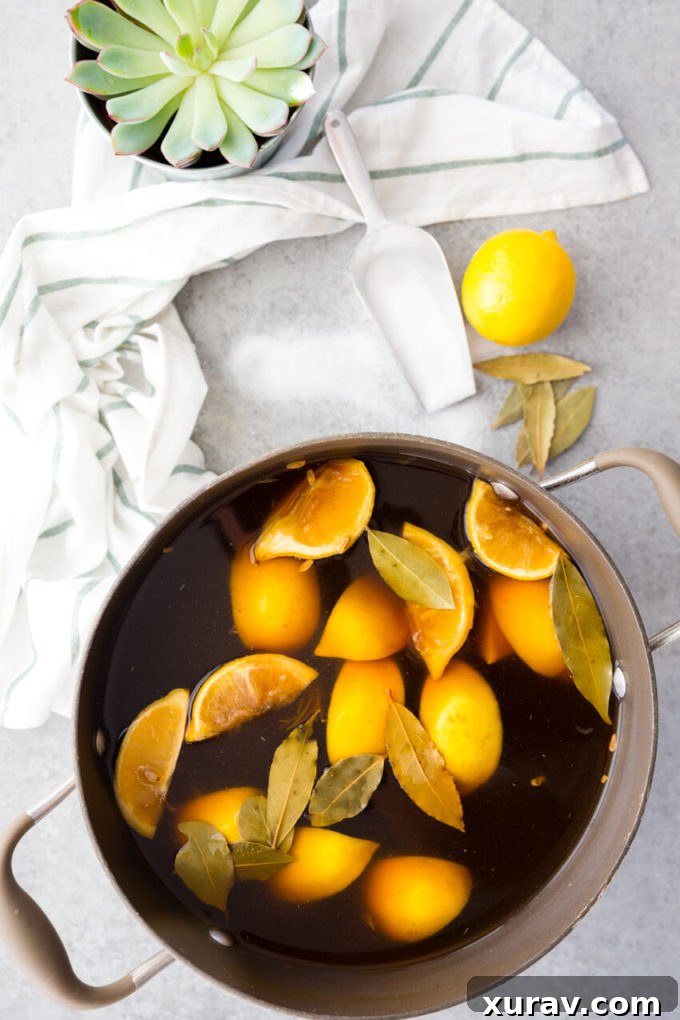
- Bring to a Boil: Place the pot over high heat and bring the mixture to a rolling boil. Stir well for 2-3 minutes to ensure the salt is completely dissolved. This boiling process also helps to extract maximum flavor from your aromatics.
- Cool Completely: This step is absolutely critical for food safety. Once the salt is dissolved and flavors are infused, remove the pot from the heat and allow the brine to cool down to room temperature, and ideally even colder, before adding your turkey. Placing the pot in an ice bath in your sink can significantly speed up this cooling process. Never place a turkey in warm or hot brine, as this can create a dangerous environment for bacterial growth.
- Emergency Shortcut (If Time is Short): While boiling is ideal for dissolving salt quickly and infusing flavors, if you are truly pressed for time, you can skip the boiling step. The salt will gradually dissolve in cold water over several hours, though the flavor infusion from aromatics may be less potent. Always ensure the salt is fully dissolved before adding the turkey.
How Long Should You Brine Your Turkey? Mastering the Timeline
The duration of brining is a frequent question, and getting it right is key to a perfectly seasoned and tender bird. The goal is to allow the turkey ample time to absorb the flavorful moisture without becoming overly salty or developing a mushy texture.
The Simple Answer: Aim for 16 to 24 hours. This timeframe is generally considered optimal for most turkey sizes, striking the perfect balance between moisture absorption, tenderization, and flavor infusion.
The Detailed Answer: Consider Your Turkey’s Size. Larger turkeys naturally require a longer brining period to allow the solution to penetrate thoroughly. For a turkey weighing 12-15 pounds, 16-20 hours might suffice, while a larger bird (18-24 pounds) will benefit from the full 24 hours. Any brining is better than no brining at all; even 6-8 hours will yield noticeable improvements in juiciness and flavor, making it a worthwhile effort even with limited time.
However, avoid brining for too long. Over-brining, especially with a strong solution, can lead to a turkey that is excessively salty or, in extreme cases, has a somewhat rubbery or “cured” texture. As a general rule, do not exceed 24-36 hours, depending on the brine concentration and turkey size. Stick to the 16-24 hour window for consistently excellent results.
The Brining Process: A Comprehensive Guide
Once your brine is perfectly chilled, you’re ready to introduce your turkey to its flavor bath. Follow these steps carefully for a safe and successful brining experience:
- Prepare Your Turkey: Begin by removing the turkey from its packaging. Reach into the main cavity and remove the neck and giblets (typically found in a bag). Check the neck cavity as well for any additional parts. Trim off any excessive fat or skin around the neck opening. Rinse the turkey thoroughly inside and out with cold water to remove any loose particles. Pat the turkey dry with paper towels; while it will get wet again in the brine, a dry surface is easier to handle.
- Choose Your Brining Vessel: Select a container large enough to fully submerge your turkey and hold all the brine. Popular options include:
- Large Brining Bags: These food-grade bags are excellent for space-saving and contain any potential leaks. Place the bag inside a cooler or a very large stockpot for support.
- Clean Cooler: A large, clean cooler is a fantastic option, especially for larger turkeys, as it can hold plenty of brine and be easily iced to maintain temperature.
- Large Stockpot or Food-Grade Bucket: Ensure it’s made of food-safe material and has a lid.
Whatever you choose, ensure it is impeccably clean to prevent contamination.
- Submerge the Bird: Carefully place the prepared turkey into your chosen vessel. Then, pour the completely cooled brine solution over the turkey, making sure it is fully submerged. If the turkey floats, you might need to place a heavy, food-safe plate or a clean, sealed bag of ice on top to keep it underwater.
- Refrigerate Safely: The turkey must remain at a safe temperature (below 40°F or 4°C) throughout the brining process.
- In the Refrigerator: If your turkey and brining vessel can fit, place it in the coldest part of your refrigerator.
- In a Cooler with Ice: If fridge space is an issue, use a clean cooler. Layer plenty of ice over and around the brining bag or container. Replenish the ice as it melts to maintain a consistently cold temperature. Use a thermometer to periodically check the water temperature in the cooler.
Brine for the recommended 16-24 hours based on your turkey’s size.
- Post-Brine Rinse and Pat Dry: Once brining is complete, remove the turkey from the brine. Discard the used brine solution – do not reuse it. Rinse the turkey thoroughly under cold running water, both inside and out, to remove any excess salt from the surface. This step is crucial for preventing a too-salty bird.
- Air Dry (Optional, but Highly Recommended): After rinsing, pat the turkey *very* dry with paper towels. Achieving crispy skin is challenging with a wet surface. For the crispiest skin imaginable, consider letting the turkey air dry uncovered in the refrigerator for a few hours, or even overnight, after patting it dry. This allows the skin to dehydrate further.
Wet Brining vs. Dry Brining: Understanding Your Options
While this guide focuses on traditional wet brining, it’s helpful to understand its counterpart, dry brining, to make an informed choice for your holiday bird.
Wet Brining (The Focus of This Article)
Wet brining, as detailed above, involves submerging the turkey in a liquid saltwater solution. Its primary benefits include:
- Maximum Moisture: The turkey absorbs a significant amount of liquid, ensuring an incredibly juicy final product.
- Deep Flavor Infusion: Aromatics and spices in the liquid brine penetrate deeply into the meat.
- Tenderization: The salt helps break down muscle proteins, leading to a very tender texture.
It’s generally considered a very forgiving method for achieving a moist turkey, making it an excellent choice for first-time briners.
Dry Brining (An Alternative Method)
Dry brining involves rubbing a mixture of salt and seasonings directly onto the surface of the turkey, then letting it rest in the refrigerator. There is no liquid involved beyond what the turkey naturally releases.
- How it Works: The salt draws out moisture from the turkey through osmosis. This salty liquid then gets reabsorbed by the meat, seasoning it from within.
- Pros:
- Crispier Skin: Without the added surface moisture of a wet brine, the skin tends to get exceptionally crispier.
- Less Mess: No large buckets of liquid to deal with.
- Less Refrigerator Space: You only need space for the turkey itself, not a turkey submerged in liquid.
- Cons:
- Can Take Longer: Often requires 2-3 days for optimal penetration, especially for larger birds.
- Potentially Less Internal Moisture: While still very moist, some argue it doesn’t achieve the same level of internal moisture as a wet brine.
Both methods yield excellent results, but wet brining is often recommended for those seeking maximum juiciness and a more straightforward process for beginners. Dry brining is fantastic for those prioritizing ultra-crispy skin.
Common Brining Mistakes to Avoid
To ensure your brining efforts lead to a triumphant turkey, be mindful of these common pitfalls:
- Not Cooling the Brine: Adding a turkey to warm brine is a major food safety hazard, creating a breeding ground for bacteria. Always ensure your brine is completely chilled before use.
- Brining for Too Long or Too Short: Under-brining means less flavor and moisture, while over-brining can result in an unpleasantly salty or even mushy texture. Stick to the recommended 16-24 hour window.
- Not Using Enough Salt or Using Too Much: The 1 cup kosher salt per gallon of water ratio is a good starting point. Too little salt won’t allow osmosis to work effectively, and too much can over-season the bird.
- Not Fully Submerging the Turkey: Any part of the turkey not in contact with the brine won’t be seasoned or moisturized. Use a weight if necessary to keep the bird fully submerged.
- Neglecting Food Safety (Temperature): Always keep your turkey in the brine at a safe temperature below 40°F (4°C) to prevent bacterial growth.
- Skipping the Post-Brine Rinse or Not Patting Dry: Rinsing removes excess surface salt, and thoroughly patting dry is crucial for achieving that coveted crispy skin. Don’t skip these steps!
- Injecting Already Brined Turkey: If you’ve brined your turkey, avoid injecting it with additional flavored liquids or butter, as this can lead to an overly salty final product. Brining has already done the heavy lifting for internal flavor and moisture.
Ready for Roasting or Smoking: Cooking Your Brined Turkey
Once your turkey has been perfectly brined, rinsed, and patted dry, it is primed and ready for your chosen cooking method. Brining enhances the bird regardless of whether you plan to roast it, smoke it, or even deep-fry it. The internal juiciness and flavor will shine through, making your cooking process more rewarding.
For detailed guidance on cooking your magnificently brined turkey, explore our expert guides:
- How to Smoke A Turkey: Discover the secrets to a smoky, tender turkey.
- How to Cook A Perfect Turkey: Your comprehensive guide to roasting a golden-brown, flawless bird in your oven.
Complete Your Feast: Thanksgiving Menu Pairings
Complement your perfectly brined and cooked turkey with an array of delectable side dishes and desserts to create an unforgettable holiday spread. Here are some of our favorite recipes to complete your Thanksgiving menu:
- Homemade Dinner Rolls: Soft and fluffy, these rolls are perfect for soaking up gravy and sauces.
- Savory Sausage Stuffing: A holiday essential, packed with rich flavors and hearty ingredients.
- Creamy Mashed Potatoes: A comforting classic, smooth and buttery, always a crowd-pleaser.
- Sweet Cranberry Orange Sauce: A bright and tangy homemade sauce that perfectly complements the richness of turkey.
- The Ultimate Cheese Tray: An impressive appetizer to kick off your feast, featuring a selection of cheeses and accompaniments.
- Roasted Brussels Sprouts with Candied Pecans: A delightful blend of savory and sweet, making even Brussels sprouts irresistible.
- Classic Thanksgiving Yams: Sweet and tender yams, a traditional holiday favorite.
- Homemade Dutch Apple Pie: The perfect sweet ending to your Thanksgiving meal, with a delectable crumble topping.

How To Brine A Turkey
If you want flavorful, juicy, delicious turkey on the big day, do yourself, and all of your dinner guests a HUGE favor and brine that baby.
- Course:
- Main Dish, Thanksgiving Turkey!
- Cuisine:
- American
- Keyword:
- brine a turkey, turkey
- Prep Time:
- 2 Days
- Cook Time:
- 0 Minutes
- Total Time:
- 2 Days
- Calories:
- 32 kcal
- Author:
- Rachael
Ingredients
- 4 Tbs salt
- 1 Quart (4 cups) water
- 1 lemon, quartered
- 1 bay leaf
- 1 spring fresh thyme
- Note: Adjust quantities for turkey size. This recipe makes enough brine for approximately 5 pounds of turkey. For a 15-20 lb turkey, multiply the recipe by 4 to ensure enough brine to fully submerge.
Instructions
- Use the ratio above to make enough brine to cover your turkey. This recipe is enough for 5 pounds, so for a 15-20 lb turkey this means multiplying the recipe by 4.
- Put all ingredients (water, salt, lemon, bay leaf, thyme) in a pot over high heat, bring to a boil. Boil for 2-3 minutes until salt dissolves and flavors infuse.
- Remove from heat, and let cool completely before putting the turkey in the brine. This step is critical for food safety.
- If in a hurry, you can skip the boiling part; the salt will gradually dissolve in cold water over time, though boiling helps quicken dissolution and flavor infusion.
- Once the brine is completely cool, submerge your prepared turkey in the brine within a food-safe container, ensuring it’s fully covered. Refrigerate for 16-24 hours.
- After brining, remove the turkey, discard the brine, and rinse the turkey thoroughly under cold water. Pat dry very well before cooking.
Nutrition
- Calories: 32 kcal
- Carbohydrates: 10g
- Protein: 1g
- Sodium: 27955mg
- Potassium: 149mg
- Fiber: 3g
- Sugar: 2g
- Vitamin C: 58.8mg
- Calcium: 74mg
- Iron: 0.9mg
Our recipe card software calculates these nutrition facts based on averages for the above ingredients. Different brands, and quality of produce/meats may have different nutritional information. Always calculate your own based on the specific products you use in order to achieve accurate macros for this recipe.
Tried this recipe? Mention @ezpzmealz or tag #ezpzmealz!
Want to use this recipe in a meal plan? Try PrePear, my FREE Meal Planning App that allows you to save your recipes, plan meals, shop for groceries, and cook simply in one place. Join Here!
Pin this essential guide for future reference, and get ready for the best turkey you’ve ever tasted!