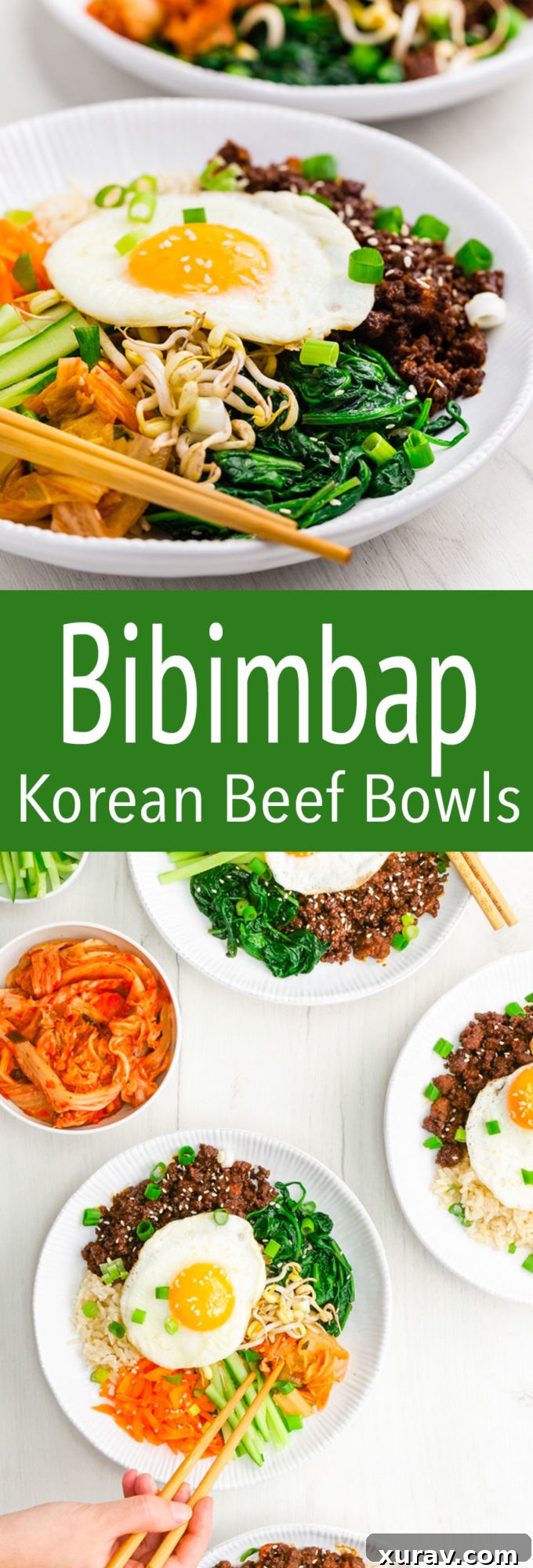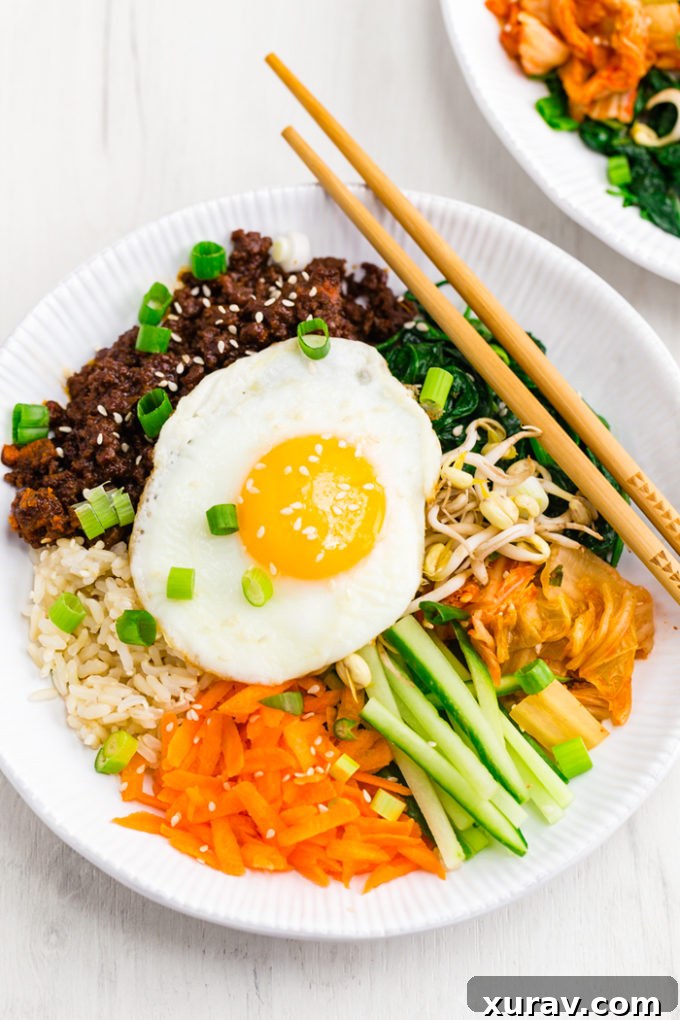
Mastering Bibimbap: Your Guide to Flavorful Korean Beef Bowls
Embark on a culinary journey to Korea right from your kitchen with these delightful Bibimbap Korean Beef Bowls. Bibimbap, meaning “mixed rice,” is a staple in Korean cuisine, celebrated for its vibrant colors, diverse textures, and incredibly balanced flavors. This recipe offers a simplified, yet profoundly delicious, approach to the classic dish, perfectly blending sweet and savory notes to create a truly irresistible meal. It’s an ideal choice for busy weeknights when you crave something extraordinary without spending hours in the kitchen.
Our rendition of Bibimbap Korean Beef Bowls is designed for ease and accessibility, making it a fantastic option for both seasoned cooks and those new to Korean flavors. Forget complicated steps and lengthy prep times; this dish comes together quickly, promising a satisfying meal that’s bursting with taste. What truly sets this recipe apart is its family-friendly appeal, striking a harmonious balance that even the most discerning palates are sure to appreciate. Prepare to transform your dinner routine with a dish that’s as wholesome as it is delicious.
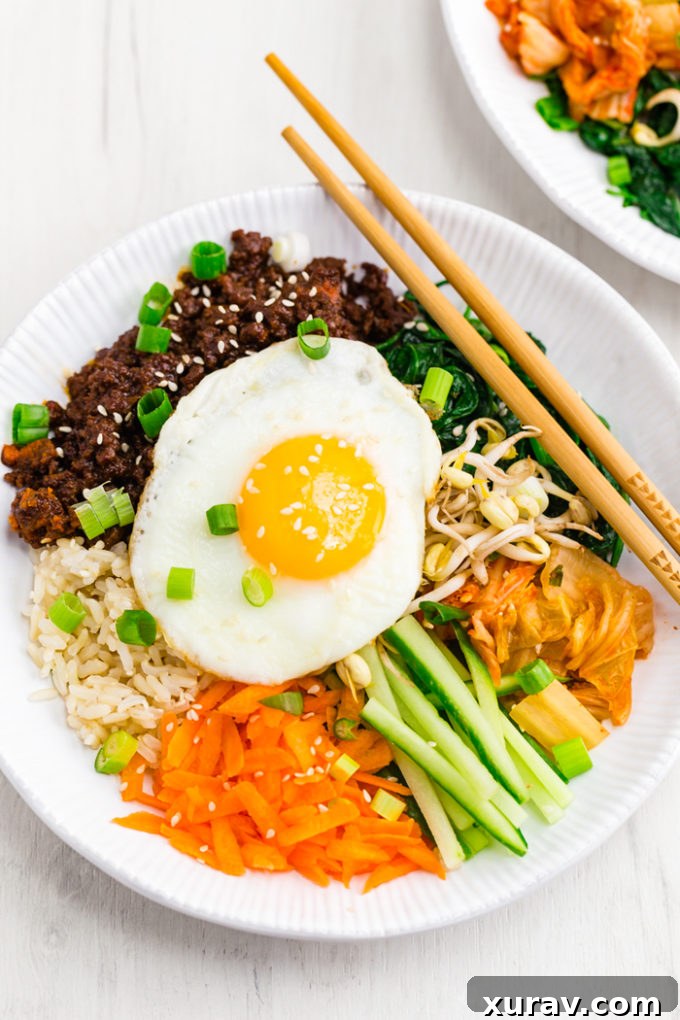
The Allure of Bibimbap: More Than Just Mixed Rice
Bibimbap is more than just a meal; it’s an experience. Traditionally, it consists of warm white rice topped with namul (sautéed and seasoned vegetables), gochujang (chili pepper paste), soy sauce, or doenjang (fermented soybean paste), and often includes a raw or fried egg and sliced meat. The ingredients are artfully arranged, then mixed together just before eating, creating a symphony of flavors and textures in every bite.
My first encounter with Bibimbap was in an unexpected locale, far from the bustling streets of Seoul. It was in a charming, trendy restaurant where the chef’s passion for authentic yet approachable cuisine shone through every dish. Intrigued by the concept of “mixed rice,” I decided to venture outside my comfort zone, and that moment sparked an enduring love affair with this Korean masterpiece. This recipe is my personal take, inspired by the rich, savory flavors of a fantastic Instant Pot Korean Beef recipe, adapted to bring that same depth of flavor to a quick and easy stovetop version.
Crafting the Perfect Korean Beef for Your Bibimbap
At the heart of our Bibimbap Korean Beef Bowls is the exquisitely seasoned Korean beef. While many traditional Bibimbap recipes feature various cuts of marinated beef, using ground beef simplifies the process without compromising on flavor. Our Korean beef is a delightful blend of sweet and savory, with a hint of warmth that makes it universally appealing. It’s the kind of flavor profile that transforms a simple bowl of rice and vegetables into a truly memorable dish.
Ingredients for Irresistible Korean Beef:
- 1 Lb ground beef
- 3 tsps minced garlic
- 1/2 cup water
- 1/2 cup soy sauce
- 1 Tbs chili flakes (adjust to your preferred spice level)
- 1 Tbs chili powder
- 1 tsp paprika
- 3 Tbs sesame oil
- 4 Tbs brown sugar
- 3 tsps mirin or rice wine vinegar
The magic happens when these ingredients simmer together, allowing the ground beef to absorb all the wonderful aromas and tastes. The brown sugar provides a lovely sweetness that balances the savory soy sauce, while the chili flakes and powder offer a gentle kick that can be amplified if you prefer more heat. Sesame oil adds that quintessential nutty Korean flavor, making each bite incredibly satisfying. This robust beef serves as the perfect foundation for your Bibimbap, setting the stage for the medley of fresh vegetables to come.
The Sauce Debate: Gochujang vs. Homemade Sweet & Savory
As Bibimbap gains popularity worldwide, many diners are curious about its signature sauce. Traditionally, Bibimbap is often served with a generous dollop of Gochujang sauce. While I deeply appreciate the authenticity and unique flavor of Gochujang, my recipe takes a slightly different path, focusing on a homemade sauce that caters to a broader audience, especially families with young children or those who prefer milder flavors.
What is Gochujang Sauce?
Gochujang is a cornerstone of Korean cuisine—a fermented savory, sweet, and spicy red chili paste. It’s a thick, sticky condiment packed with umami. Its deep red color hints at its vibrant flavor, which comes from a blend of:
- Red chili pepper flakes
- Fermented soybeans
- Glutinous rice powder
- Barley malt powder
- Salt
Gochujang offers a complex profile: a fiery heat softened by sweetness, and a distinctive fermented tang that adds incredible depth. It can be found in most Asian markets or conveniently ordered online. For those who love a traditional Korean kick, I highly recommend exploring Gochujang. However, if you’re like me and often cook for various preferences, a homemade alternative can be a game-changer.
Why a Homemade Sauce?
My decision to craft a custom sauce for these Bibimbap Korean Beef Bowls stems from a desire to make this fantastic dish accessible and enjoyable for everyone. While I cherish authentic culinary experiences and introducing my kids to new cultures, I also aim for recipes that are universally loved at the dinner table. Here are my primary reasons:
- Kid-Friendly Flavor Profile: The primary reason for my sauce adaptation is to create a more universally appealing, kid-friendly dish. My homemade sauce emphasizes a delightful sweetness with just a hint of spice, rather than the intense heat of traditional Gochujang. You can easily adjust the chili flakes in the beef marinade to amp up the heat if you desire, but starting with a milder base ensures everyone in the family can enjoy it from the first bite.
- Pantry Staple Convenience: Authentic Gochujang can sometimes be challenging to locate, requiring a special trip to an Asian grocery store or an online order. While I occasionally stock it (and you can too, by checking out Gochujang Paste on Amazon), I don’t always plan ahead. My homemade sauce utilizes ingredients commonly found in most well-stocked pantries, making this Bibimbap recipe a spontaneous, stress-free dinner option.
- Broad Appeal: For some, the robust, fermented flavors and significant spice level of Gochujang might be an acquired taste. If your dinner guests or family members haven’t grown up with Korean cuisine, a milder, sweeter sauce can be a more welcoming introduction. This “Americanized” version ensures that everyone, regardless of their spice tolerance or familiarity with Korean flavors, can truly savor the Bibimbap experience.
By using the sauce ingredients listed in the Korean Beef section (water, soy sauce, chili flakes, chili powder, paprika, sesame oil, brown sugar, mirin/rice wine vinegar), you’re creating a rich, flavorful marinade that doubles as a delicious sauce for the entire bowl.
The Colorful Canvas: Essential Vegetables for Bibimbap
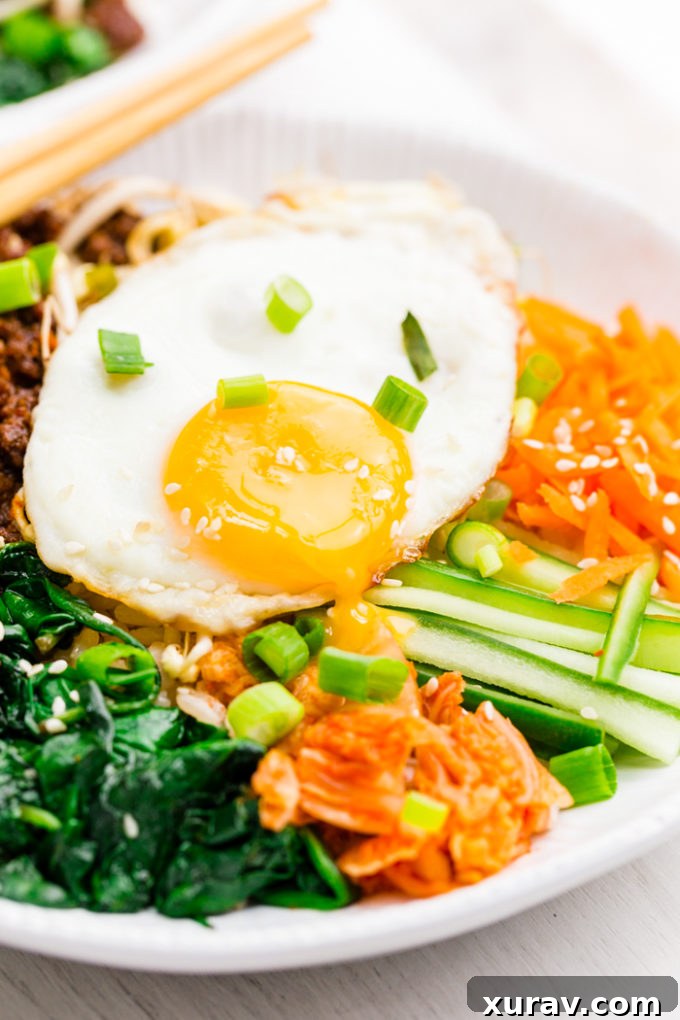
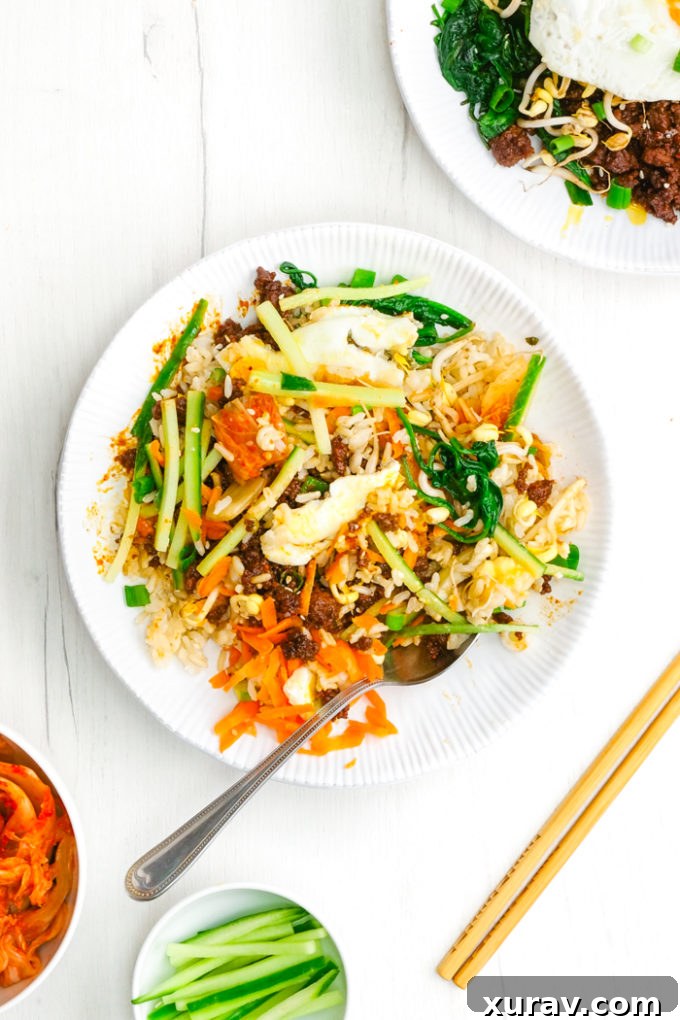
One of the most appealing aspects of Bibimbap is its vibrant presentation, thanks to a rainbow of fresh, nutritious vegetables. Not only do these additions provide a spectrum of colors, but they also bring diverse textures and an abundance of health benefits to your plate. The beauty of Bibimbap is its flexibility, allowing you to customize the vegetable selection to suit your preferences or what you have on hand.
Key Vegetables in Bibimbap (and our recipe):
- Cucumber: Offers a refreshing crunch and cool contrast to the warm ingredients.
- Bean Sprouts: Provides a subtle crispness and a light, earthy flavor.
- Spinach: Lightly sautéed, it adds a tender, leafy green element and a boost of nutrients.
- Carrots: Shredded carrots introduce a touch of sweetness and a satisfying crunch.
- Green Onions: Sprinkled fresh for a mild oniony bite and visual appeal.
- Kimchi: While technically a fermented side dish, kimchi is a fantastic topping for Bibimbap, offering a tangy, spicy, and probiotic-rich kick that truly elevates the flavor profile.
Optional Additions to Consider:
Many traditional Bibimbap recipes incorporate an even wider array of vegetables, and you can certainly experiment based on your liking:
- Shitake Mushrooms: Sautéed mushrooms add an umami-rich, meaty texture.
- Zucchini: Thinly sliced and sautéed, zucchini offers a tender, slightly sweet element.
- Bell Peppers: Sliced red or yellow bell peppers add vibrant color and a sweet crunch.
- Radishes: Thinly sliced radishes can introduce a peppery bite and a beautiful pink hue.
- Tofu: For a vegetarian option or extra protein, firm tofu can be pressed, cubed, and pan-fried until golden.
Preparing the vegetables often involves light sautéing or blanching to retain their crispness and natural flavors, then seasoning them simply with a touch of sesame oil and salt. This minimal preparation ensures each vegetable shines, contributing its unique character to the overall harmony of the bowl.
Essential Tools for Your Bibimbap Adventure
Fortunately, whipping up a batch of Bibimbap Korean Beef Bowls doesn’t require an extensive collection of specialized kitchen gadgets. Most of the preparation can be done with basic cooking tools you likely already own, making this recipe even more accessible.
Standard Kitchen Tools:
- Large Skillet or Wok: Perfect for browning the ground beef and sautéing the spinach and other vegetables. A single pan can often handle all the cooking components.
- Saucepan: For cooking your rice to fluffy perfection.
- Cutting Board and Knife: Essential for preparing all your fresh vegetables.
- Bowls or Plates: To serve your beautiful Bibimbap creations.
For an Authentic Experience: The Dolsot (Korean Stone Bowl)
If you’re looking to elevate your Bibimbap experience and truly immerse yourself in Korean culinary traditions, consider investing in a dolsot. A dolsot is a sturdy stone bowl specifically designed for Korean cooking. It’s not just a serving dish; it’s an active part of the cooking process:
- Maintains Heat: Food served in a dolsot remains wonderfully warm throughout your meal.
- Crispy Rice: When heated properly, a dolsot creates a desirable crispy layer of rice at the bottom, known as dolsot-bap or nurungji, adding another delightful texture to your Bibimbap.
You can find quality Korean Stone Bowls, sometimes labeled as dolsot, from specialty Asian kitchenware stores or online retailers like Amazon. Using one truly enhances the dining experience, adding a touch of authenticity and a unique textural element to your meal.
Serving Suggestions & Creative Variations
Bibimbap Korean Beef Bowls are incredibly versatile, making them suitable for any meal. They are fantastic as a simple, complete meal served over a bed of fluffy brown rice or even noodles. But don’t stop there!
Elevate Your Meal:
- Complementary Side Dishes: Pair your Bibimbap with a fresh, crisp salad, like an Asian Chopped Salad, to add another layer of texture and freshness.
- Sweet Finish: Conclude your Korean feast with a light, citrusy dessert such as Lemon Cheesecake Bars for a refreshing contrast to the rich flavors of the main course.
- Extra Toppings: Don’t forget a final drizzle of sesame oil and a sprinkle of roasted sesame seeds over the assembled bowl for added aroma and crunch. A dash of seaweed strips can also add a savory, oceanic note.
Dietary Adaptations and Protein Swaps:
This recipe is easily adaptable to different dietary needs and preferences:
- Chicken Bibimbap: Substitute the ground beef with ground chicken or thinly sliced chicken breast for a lighter protein option. Marinate and cook it in the same flavorful sauce.
- Shrimp Bibimbap: For a seafood twist, use sautéed shrimp. Their quick cooking time makes for an even faster meal.
- Vegetarian/Vegan Bibimbap: Omit the meat entirely and increase the portion of vegetables. Pan-fried firm tofu or tempeh, marinated in a similar sweet and savory sauce, makes an excellent protein substitute. Add extra mushrooms for umami depth. Ensure your kimchi is vegan (some varieties contain fish sauce).
Simple, flavorful, and incredibly delicious, these Bibimbap Korean Beef Bowls are destined to become a staple in your meal rotation. Their ease of preparation combined with their irresistible taste makes them a winning choice for any occasion.
Other Beloved Recipes You Might Enjoy:
- Huli Huli Chicken
- Spinach Dip
- Instant Pot Pork Chops
- Chicken Piccata
- Braised Short Ribs
- Baby Back Ribs
- Roasted Asparagus Oven Baked
Bibimbap Korean Beef Bowls
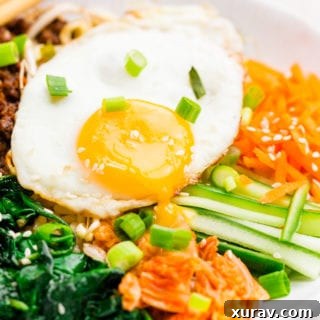
This Bibimbap recipe is quick to prepare and perfect for those nights when you crave a dish packed with flavor without a complex cooking process.
Cuisine: Korean
Keyword: Bibimbap Korean Beef Bowls, easy Bibimbap recipe
Cook Time: 30 minutes
Total Time: 40 minutes
Calories: 811 kcal
Author: Rachael
Ingredients
Korean Beef
- 1 Lb ground beef
- 3 tsps minced garlic
- 1/2 cup water
- 1/2 cup soy sauce
- 1 Tbs chili flakes
- 1 Tbs chili powder
- 1 tsp paprika
- 3 Tbs sesame oil
- 4 Tbs brown sugar
- 3 tsps mirin or rice wine vinegar
Rice
- 4 cups cooked brown rice
Sautéed Spinach
- 1/2 Tbsp cooking oil
- 6 cups fresh spinach (loosely packed)
- 1 tsp sesame oil
- Pinch of salt
Toppings
- 1 carrot
- 1 cucumber
- 2 green onions
- 1/2 cup bean sprouts
- 4 large eggs
- 1/4 cup kimchi
- 1 Tbsp roasted sesame seeds
Instructions
Preparation
- Start by preparing your brown rice according to package instructions. While it cooks, prepare the other ingredients.
Sautéed Spinach
- Heat a large skillet over medium heat and add the cooking oil.
- Add the fresh spinach.
- Sauté the spinach for a few minutes, or just until it is wilted.
- Drizzle 1 tsp of sesame oil over top and season lightly with a pinch of salt.
- Remove the spinach from the skillet and set aside.
Korean Beef
- Over medium-high heat, add a little olive oil to the bottom of the same large skillet (if needed), and add the ground beef.
- Brown the ground beef, breaking it up with a spoon. Add the minced garlic and stir until fragrant, about 1 minute.
- Once browned, drain any excess fat from the ground beef.
- Add all the sauce ingredients (water, soy sauce, chili flakes, chili powder, paprika, sesame oil, brown sugar, mirin or rice wine vinegar) to the skillet with the beef.
- Stir well to combine and cook until the sauce thickens slightly and coats the beef, about 5-7 minutes. Once cooked, set aside.
Vegetables & Eggs
- Prepare the fresh vegetables: Peel and grate the carrot. Thinly slice the cucumber into rounds or julienne strips. Slice the green onions for garnish.
- Fry or soft boil 4 large eggs to your desired doneness. A runny yolk is traditional for Bibimbap, adding richness when mixed.
Assemble
- To assemble 4 bowls: Add 1 cup of cooked rice to the bottom of each bowl.
- Arrange 1/4 of the cooked spinach, 1/4 of the Korean ground beef, sliced cucumber, bean sprouts, shredded carrots, and one cooked egg artistically over the rice.
- Add a tablespoon of kimchi to each bowl.
- Sprinkle sliced green onions and roasted sesame seeds over the top for garnish.
- Enjoy! Stir everything together before eating for the full Bibimbap experience.
Nutrition
Calories: 811 kcal | Carbohydrates: 69g | Protein: 36g | Fat: 44g | Saturated Fat: 12g | Cholesterol: 244mg | Sodium: 1881mg | Potassium: 1146mg | Fiber: 7g | Sugar: 15g | Vitamin A: 8590IU | Vitamin C: 19.5mg | Calcium: 184mg | Iron: 7.6mg
Our nutrition facts are calculated based on averages for the ingredients listed. Different brands, quality of produce, and meats may have varying nutritional information. Always calculate your own based on the specific products you use to ensure accurate macros for this recipe.

Want to use this recipe in a meal plan?
Try PrePear, my FREE Meal Planning App that allows you to save your recipes, plan meals, shop for groceries, and cook simply in one place. Join Here!
Pin this delicious recipe to your Dinner board on Pinterest: